|
 
Hey, Clearwater! Hurricane season is here, and it’s time to get prepared. Our community knows how quickly things can change when a storm is approaching. Being prepared now can make all the difference when a storm is on the way. Let’s make sure our homes and families are ready. Stay safe, Clearwater!
Click and save the webpage below, which is where the city of Clearwater will post storm updates throughout the season. You can also scroll down on the page to subscribe for updates.
June 27, 10 a.m. to 1 p.m., East Community Library @ SPC
 We invite you to join us for the second annual Ready and Resilient / Listos y Resilientes Hurricane Expo. This community-centered bilingual expo is from 10 a.m. to 1 p.m. June 27, at the Clearwater East Community Library @ SPC.
It brings together organizations, service providers, and residents to share resources, strengthen connections, and support hurricane preparedness and community resilience.
- Essential information on hurricane preparedness and relief
- Spanish interpretation available
- Hurricane presentations:
10:30 a.m. - In English
12:30 p.m. - In Spanish
- Free lunch
- Children's zone with games and activities
- Community resources and support
- Raffles and giveaways
The Clearwater East Community Library @ SPC is located at 2465 Drew St.
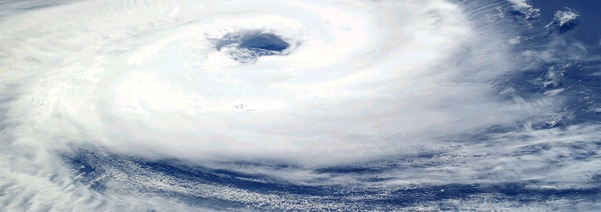
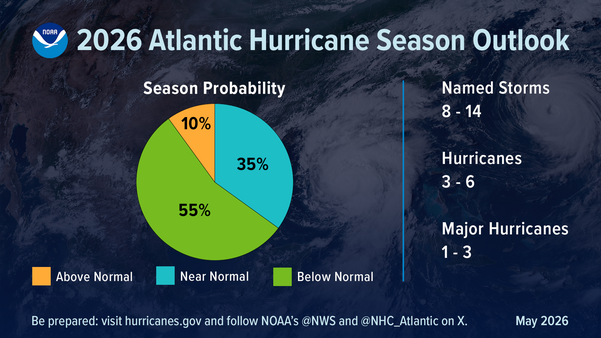 Forecasters with the National Oceanic and Atmospheric Administration (NOAA) predict below-normal hurricane activity in the Atlantic basin this year. NOAA’s outlook for the 2026 Atlantic hurricane season, which runs from June 1 to Nov. 30, predicts a 55 percent chance of a below-normal season, a 35 percent chance of a near-normal season, and a 10 percent chance of an above-normal season.
The agency is forecasting a range of eight to 14 total named storms (winds of 39 mph or higher). Of those, three to six are forecast to become hurricanes (winds of 74 mph or higher), including one to three major hurricanes (Category 3, 4 or 5, with winds of 111 mph or higher). NOAA has a 70 percent confidence in these ranges.
Even with a below-normal forecast, residents are encouraged to prepare early, as it takes only one storm to significantly impact a community.
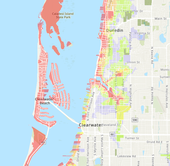
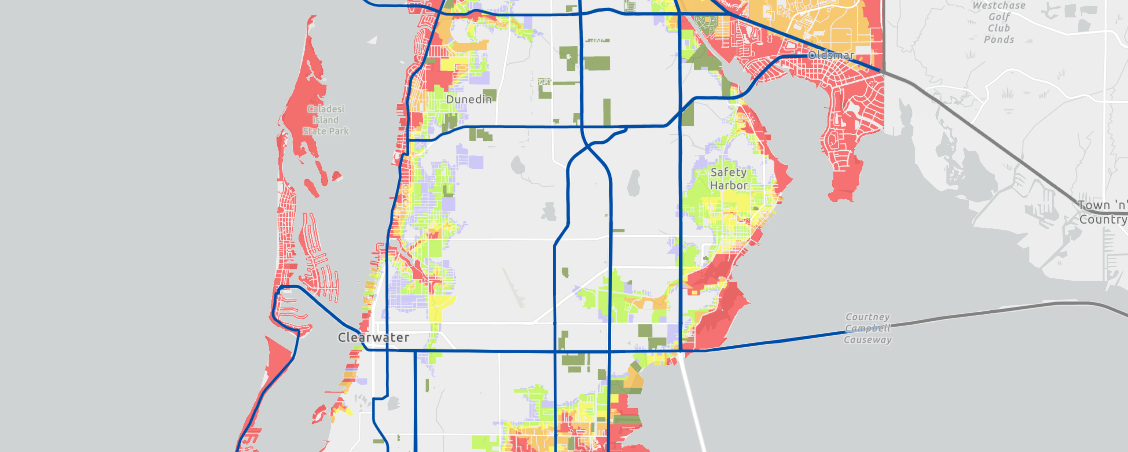 Evacuation zones are areas that city and county officials may order people to leave during a hurricane or tropical storm. These zones are based on how likely your area is to be affected by storm surge -- the dangerous flooding caused by high winds pushing seawater onto land.
If you are a new resident in Pinellas County, evacuation zones are labeled with letters (A, B, C, D, E, etc.). Zone A is the most at risk and is evacuated first; Zone E is evacuated last, if needed. And there are areas in the county that don't require evacuations.
Your evacuation zone depends mostly on your ground elevation and how close you are to the coast or other bodies of water. It's important to always know your evacuation zone and to listen for official evacuation orders during hurricane season.
|
|
Sign Up for Emergency Alerts
 Subscribe to Alert Pinellas, Pinellas County's emergency notification system. You will receive free, urgent alerts for a variety of situations, such as severe weather, boil-water orders, or hurricanes. Opt in for phone calls, text messages, or emails.
Prepare Now
Here are some tips to jump-start your hurricane preparedness.
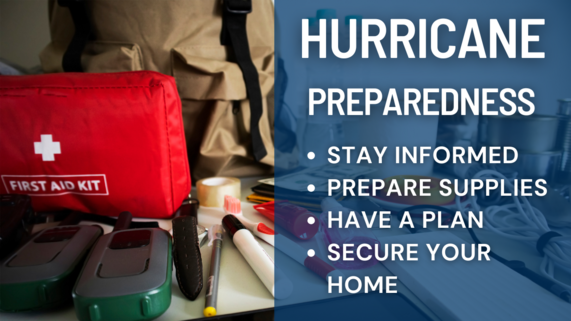 Prepare now, before storms become a threat. Being ready can make all the difference, and every minute counts. From inspecting your home to stocking essential supplies, acting now can help you stay safe and ready all season long.
Emergency Kit (Three-Day Supply)
- Food (non-perishable) and water (1 gallon/person/day)
- Flashlights, batteries, battery-powered radio
- First-aid kit and prescription medications
- Hygiene items
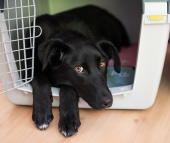
- Pet food/supplies
Evacuation Ready
- Know your zone and route.
- Keep your vehicles fueled.
- Pack your emergency kit, IDs, valuables, and important documents.
- Don’t leave pets behind.
- Elevate water heaters and air-conditioning units, if possible.
- Know your flood zone.
Insurance and Documentation
- Photograph/video your home and valuables.
- Review insurance coverage; purchase flood insurance early (note, there may be a 30-day wait before coverage begins).
 A little preparation before and after a storm can help Clearwater’s Solid Waste and Recycling crews respond faster, safer and more efficiently during hurricane season.
As a Storm is Approaching: Secure Your Debris
- Avoid trimming trees or large branches before a storm approaches. Freshly cut debris can become dangerous projectiles in high winds, and crews may not be able to collect yard waste before the storm arrives.
- Secure garbage and recycling containers in a garage, shed or another protected area to prevent them from blowing away or becoming hazards.
- Business owners should secure dumpsters whenever possible. During hurricanes Helene and Milton in 2024, several dumpsters were displaced by floodwaters and strong winds.
- Keep sandbags stored and ready throughout hurricane season so you can act quickly when storms develop.
After a Storm: Set Out Debris the Right Way
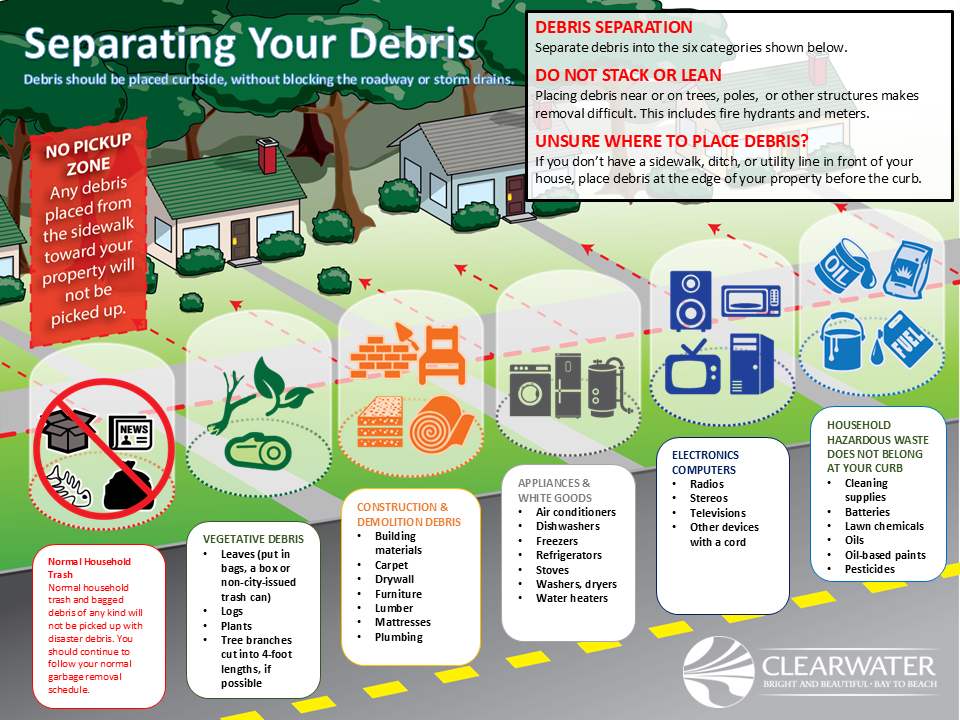
- Separate debris into distinct piles at the curb:
- Yard waste (vegetation)
- Construction/demolition materials (wood, drywall, etc.)
- Appliances (stove, washer, dryer, refrigerator)
- Hazardous waste (paints, chemicals, batteries)
- Do not mix debris types. Unsorted debris slows down our collection crews and can lead to delays for everyone.
- Keep debris away from mailboxes, trees, fire hydrants, utility poles and water meters, all of which can interfere with collection.
- Don't park vehicles in front of piles of debris. Our crews need clear access to your curb.
 Recycling During Storms
- Place clean, accepted items only in your blue recycling bin. After storms, contaminated recycling may be rejected. During hurricanes Helene and Milton in 2024, more than 9 tons of recycling was contaminated.
- Make sure the lid of your recycling bin is closed so rain does not get in. Once recyclables get wet, items like mixed paper and cardboard break apart, cannot be recycled, and contaminate the entire bin of potential recyclables.
- If you are unsure what can be recycled, check the city’s recycling guidelines at MyClearwater.com/Recycling.
Why These Actions Matter
- Having properly-sorted debris at the curb helps our solid waste crews collect materials in a faster, safer, more efficient manner.
- Keeping your solid waste and recycling barrels and dumpsters secure prevents hazards in your neighborhood or community.
- Proper recycling keeps our program running, reduces landfill waste, and helps us to put recyclables to a higher and better use.
|
|
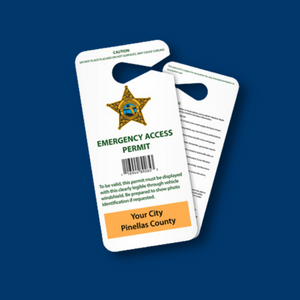
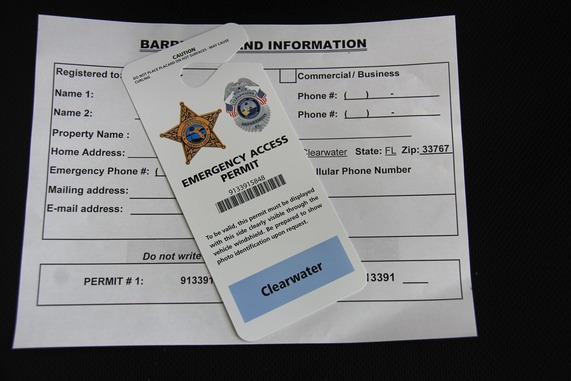 If you live or work on the barrier islands such as Clearwater Beach, Sand Key or Island Estates, you may need a barrier island re-entry pass to get back after an evacuation. Don’t wait until a storm is coming to obtain a pass.
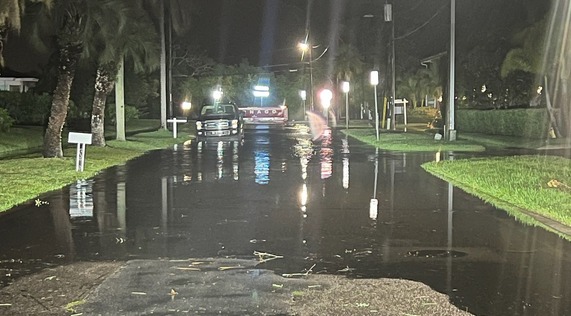 While evacuation zones and flood zones sound the same, flood zones and evacuation zones are different. Flood zones tell you how likely your property is to flood any time of year; flooding can be caused by heavy rains, tropical storms or hurricanes. Evacuation zones are based on a property’s vulnerability to storm surge from a hurricane or tropical storm.
Find out what your flood risk is and purchase flood insurance. Prepare ahead, know your zone, and follow evacuation orders. Both are important for staying safe and protecting your home in Clearwater.
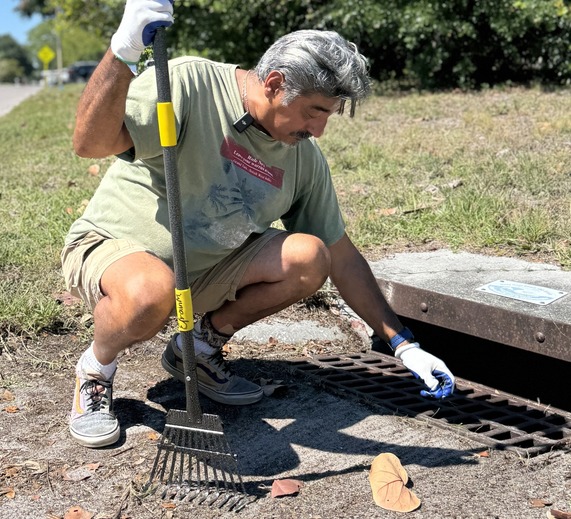 Help keep stormwater flowing during hurricane season by joining the city’s Adopt-a-Drain program.
Residents can “adopt” a neighborhood storm drain and help keep it clear of leaves, litter and debris before and after storms. Clear drains reduce street flooding and help stormwater move safely away from homes and roadways.
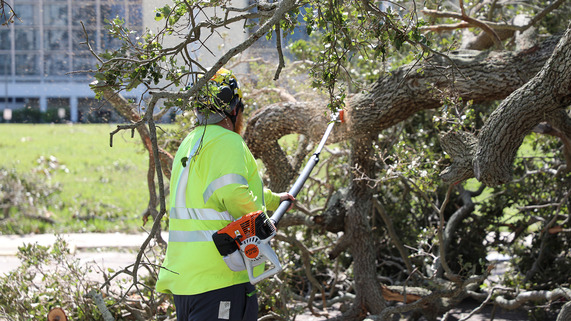 During hurricanes Helene and Milton in 2024, many residents reached out to see how they could help those impacted in their community. Residents can sign up now to be post-storm volunteers.
You can volunteer with a certain project in mind. For example, if a specific neighborhood association wants to complete a cleanup at its neighborhood park, it would request project and supplies here: Volunteer Project Request.
If an individual or group is looking to help out but don't already have a project in mind, they could search for post-storm project listings here: City of Clearwater Parks & Recreation | GivePulse. Volunteer projects will be posted as needed after storms.
|
|
|
|
|