|
Important Hurricane Helene Updates
 Please do all you can to stay safe in this storm. Pinellas County issued a mandatory evacuation for all residents and businesses in Zone A and all mobile home residents. See our updates below with evacuation orders, current warnings and watches, Pinellas County Citizen Information Center, shelters, water and solid waste/recycling updates.
Learn more at MyClearwater.com/Helene.
|
|
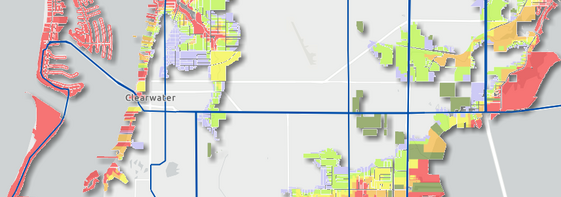 Pinellas County emergency management officials issued a mandatory evacuation for residents and businesses in Evacuation Zone A and all mobile homes countywide, which takes effect at 9 a.m. Wednesday, Sept. 25. The order includes high-rise buildings in Zone A, which will not be a safe place to ride out the storm. Those evacuating should have their evacuation completed and be in a safe place by Thursday morning, Sept. 26.
Evacuations for special needs registrants is currently underway. Pinellas County started to evacuate hospitals, nursing homes and assisted living facilities in Zone A on Tuesday, Sept. 24.
Warnings, Watches and State of Emergency
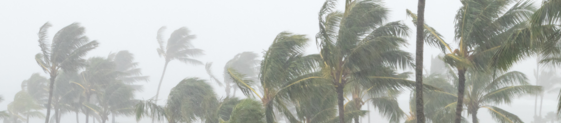 Pinellas County remains under a Storm Surge Warning, Tropical Storm Warning, Hurricane Watch and Flood Watch. Hurricane Helene is expected to continue to strengthen. Even though it is currently forecast to pass offshore of Pinellas County, it is anticipated to bring tropical storm force winds and life-threatening storm surge flooding of 5 to 8 feet and flash flooding to our area.
High winds are expected throughout the county. The biggest impacts are expected Thursday, Sept. 26, with dangerous storm surge impacts continuing after the storm exits the area. The current storm surge forecast calls for a higher, longer duration than Tampa Bay experienced during Hurricane Idalia last year. High tide on Thursday, Sept. 26, will occur around 8 p.m. and is expected to impact our coastal community.
The Clearwater City Council announced an emergency proclamation for the city of Clearwater. Read it here. The state of Florida and Pinellas County also declared a state of emergency.
Bridges
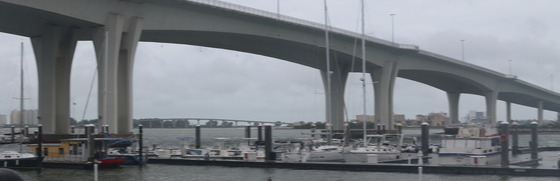
There are no current storm-related bridge closures. Bridges will be evaluated individually based on conditions at the time. Bridge and road closures will be updated on the website, city social media, WAZE app or WAZE website.
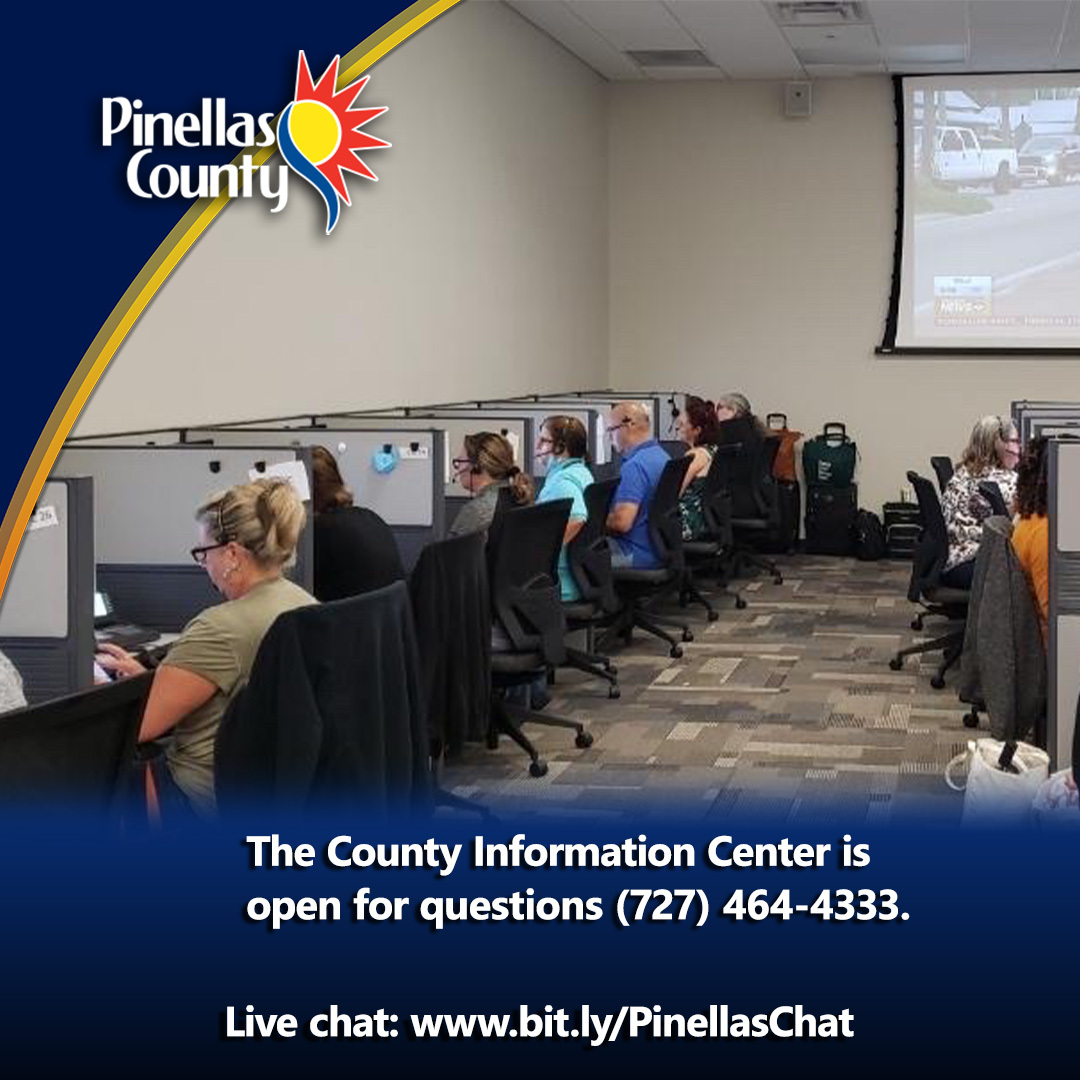 Pinellas County's Citizen Information Center is open 24 hours for preparedness questions. Call (727) 464-4333. Residents who are deaf or hard of hearing can contact the center via online chat at www.bit.ly/PinellasChat.
Six shelters are open for residents who need to evacuate and do not have a safe place to stay with family or friends. None of them are in Clearwater at this time. If you can shelter safely outside of the evacuation zones, either at home, in a hotel, or with a friend or family member, please do so. Hotel accommodation information can be found at visitstpeteclearwater.com/info/pre-storm-information.
If an emergency shelter is your best option, pack essential items but pack light. Space is very limited. PSTA will provide free transportation to open shelters. Pinellas County Emergency Management is coordinating directly with the staff of residential healthcare facilities in Evacuation Zone A. Currently, 26 such facilities are ordered to evacuate.
For people with special needs, register online ahead of the storm or call Clearwater Fire & Rescue at (727) 562-4334. Find a shelter and/or see their status: https://pinellas.gov/emergency-information/public-shelters/#shelterlist
|
|
 The city of Clearwater is shutting down the reclaimed water system at 3 p.m. Wednesday, Sept. 25, to help prevent its contributing to local flooding in case the pipes break. Anyone who uses reclaimed water for their cooling towers is encouraged to switch over to their backup system before this time. This service change is expected to last through early next week.
 Try to conserve water as best you can at this time. Use these water-saving tips:
- Store emergency water. Aim for at least one gallon per person per day for a minimum of three days, for drinking and sanitation needs.
- Take shorter showers.
- If it is yellow let it mellow, if it is brown flush it down. Reduce toilet flushing during tropical events by limiting flushes to fecal matter.
- Do not let the faucet flow while brushing your teeth or shaving. Use a glass of water for rinsing your teeth.
- Take showers instead of tub baths. Consider bathing small children together.
- Have a plan in place for accessing safe water if your regular supply is disrupted. This may involve boiling water, using water purification tablets, or finding emergency distribution points.
- Avoid doing laundry during the storm event if possible.
- Do not flush wipes or grease down the drain or use garbage grinders (insinkerators). Throw it in the trash instead.
- If yards or pools fill up with water during the storm, do not lift a manhole or release a clean-out/drain cap to reduce the flooding. This excess water could overwhelm our stormwater or wastewater systems or cause them to become inoperable all together.
- Continue to conserve water post-storm. Even after Helene passes, continue conserving water as infrastructure repairs and recovery efforts may take time.
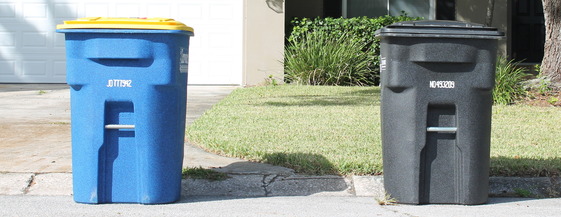 There will be no collections on Thursday, Sept. 26. Residential routes usually collected Thursday, Sept. 26 were already collected today, Wednesday, Sept. 25. If you were not able to place your bin out today or have Friday pickup, please secure your bin and do not place it on the curb.
The collection of recycling is currently suspended. Customers are asked to please keep your recycling bin secured, and hold onto your recycling for collection after the storm. If recycling gets wet, it becomes contaminated.
Please do not set out any of your yard waste at this time. All of your yard waste should be secured until the storm passes, to keep it from blowing into streets or floating away.
Electric Vehicles & Golf Carts
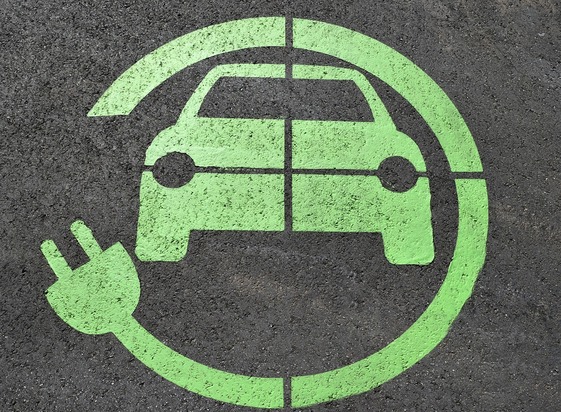
- Make sure your electric vehicle (EV) is fully charged in anticipation of
power outages.
- If you expect flooding from storm surge or rain, move your EV to high ground.
- It is unsafe to leave it inside the garage and in areas where there is storm
surge. EVs have sealed battery packs, but if water breaches the seal, it could
damage the battery cells and cause a fire.
- Avoid driving through saltwater. Saltwater intrusion can cause EVs to catch
fire, which can not only destroy the vehicle, but also put your home or nearby
structures in jeopardy. This advice also applies to golf carts and other
battery-powered vehicles, such as e-bikes.
Boat Owners
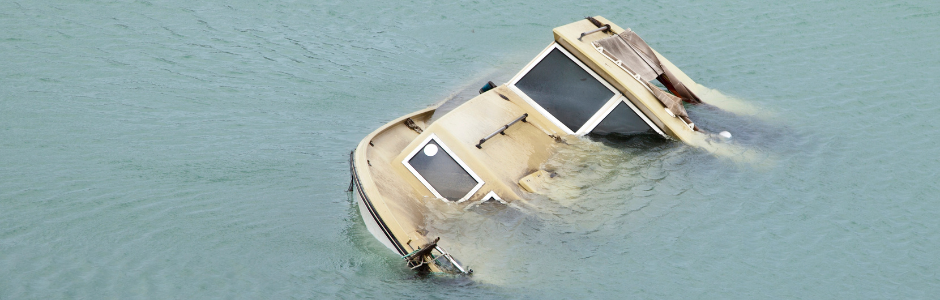
- Do not attempt to ride out the storm on a boat. Extremely dangerous marine
conditions are expected.
- Take your boat out of the water if possible. Strap it securely to your
trailer and move it away from areas that could flood. Use wheel chocks or
blocks to prevent rolling.
- Secure your boat with heavy nylon lines to fixed objects. If possible, find a
location that will allow you to secure it from all four sides. It can be tied
to screw anchors. Do not secure your boat to a tree.
- If you plan for a local marina to lift your boat out of the water and secure
it, do so immediately. Tropical force winds and storm surge are expected to
arrive early Thursday.
- If you are unable to take your boat out of the water, secure it in a
protected and stable location. Ask your local harbormaster or marina operator
if you are not sure where to go. Keep in mind that docks can be damaged during
a hurricane.
- If secured between two docks, run crossing spring lines, each from one end of
the boat in the opposite direction on the dock. Attach lines high on pilings,
using long lines to allow for storm surge and high tides.
- Tie down everything you can't remove, including tillers, wheels and booms.
- If you have a paddle craft on your boat, write your name and phone number on
it in permanent marker in case it gets loose. This will prevent unnecessary
search operations.
- Turn off all devices using electricity except bilge pumps.
General Home Preparedness
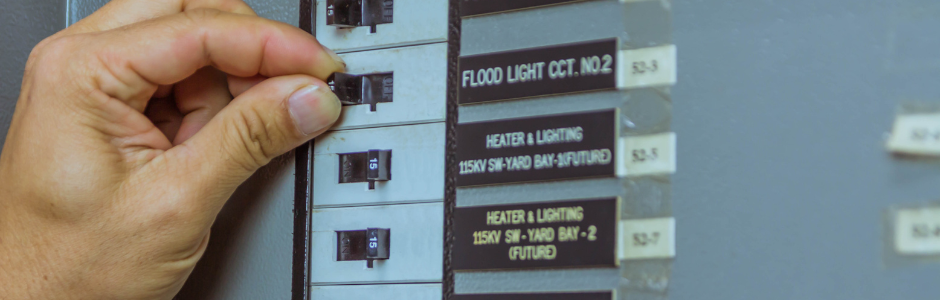
- If you are evacuating, turn off your power and/or breakers before leaving.
Shut all doors, lower antennas, elevate belongings and shutter windows and
doors if possible.
- Take photos inside and outside your home to document belongings in case you
need to file an insurance claim after the storm.
- Whether you are going or staying, walk around the exterior of your home and
secure or bring in any items that you can move. This includes patio furniture,
planters, portable basketball goals, tools and toys. Take down and store flags
and other decorative items. Clear balconies, steps and porches.
- Locate all important documents and store them in a safe and dry place.
- For detailed information on critical supplies for riding out the storm in a
safe place outside the evacuation zone or what you need to bring to a shelter,
visit disaster.pinellas.gov/.
- Monitor local news media, National Weather Service, disaster.pinellas.gov,
Facebook @CityOfClearwater and @ClearwaterPolice and X @MyClearwater.
- Check for updates at least every 6 to 12 hours as storm forecasts and guidance can change quickly.
- Register for emergency alerts at disaster.pinellas.gov, and download the Ready Pinellas app in the App Store or Google Play store for real-time storm
updates.
Sand and Sandbag Distribution Is Over
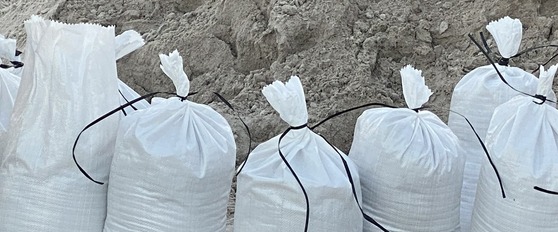 Sandbag distribution at the Joe DiMaggio Sports Complex ended at noon today, Wednesday, Sept. 25.
|
|
Sign Up for Alert Pinellas
 Receive free alerts about emergencies and other important community news by signing up for Alert Pinellas, an emergency notification service for Pinellas County and local municipalities that allows you to receive urgent messages about a variety of situations, such as severe weather, boil water notices or evacuations.
|
|
Have a question or concern? Reach out and let us know.
|
|
|
|
|