|
April is National Healthy Homes Month (NHHM), a time dedicated to raising awareness about the importance of creating and maintaining healthy homes. Initiated by the U.S. Department of Housing and Urban Development (HUD), this campaign aims to educate homeowners, renters, and landlords on best practices for ensuring their living spaces contribute positively to their overall health and well-being.
Worsening asthma, lead poisoning, unintentional injuries, and other harmful health effects can all be linked to problems within the home. The most common problems include peeling and/or deteriorating paint, mold, insect and rodent infestation, overuse of pesticides and other chemicals, poor ventilation, water leaks, trip and fall hazards, and malfunctioning cooling and heating systems.
What is a Healthy Home?
A healthy home is free from lead, high levels of radon, and excess chemicals. It is a solid structure that keeps out pests, moisture, noise, and pollution. It is safe from injuries. It has smooth floor surfaces, stair handrails, adequate lighting, and safety devices, such as smoke detectors, fire extinguishers, and carbon monoxide detectors.
Principles for Maintaining a Healthy Home
-
Keep it Dry: Prevent water leaks and control humidity levels to avoid mold growth.
-
Keep it Clean: Regular cleaning reduces dust, allergens, and contaminants.
-
Keep it Pest-Free: Keep areas free of food debris, remove standing water, and seal cracks, gaps, and entry points
-
Keep it Safe: Install smoke detectors, carbon monoxide alarms, and ensure proper lighting and secure handrails to prevent accidents.
-
Keep it Well-Ventilated: Change HVAC filters, use exhaust fans and open windows when safe, to improve indoor air quality.
-
Keep it Well-Maintained: Regularly inspect and repair any damage to the home.
-
Keep it Thermally Controlled: Keep the temperature no greater than 80° F in the summer and no less than 68° F in the winter.
-
Keep it Contaminant-Free: Avoid using products containing harmful chemicals and ensure safe storage of household chemicals.
Resources
UPCOMING EVENTS
Fix-It DC Community Repair Event at MLK Library
 When: Wednesday, March 19, 2025, from 5:30pm to 7:30pm
Where: Martin Luther King Jr Memorial Library Labs – 901 G St NW, Washington, DC 20001
To register, visit the MLK Library events page: Schedule Appointment with Labs at DC Public Library, MLK Library
Know how to fix things? Use your skills at Fix-It DC! Sign up here: http://bit.ly/3itBi9N
For more information about Fix-it DC, visit https://doee.dc.gov/service/fix-it
Save the Date for the Healthy Homes Fair – May 10, 2025
 Join DOEE’S Lead-Safe and Healthy Housing Division as they participate as a tabling exhibitor at the Healthy Homes Fair. This will be a free expo and interactive learning experience for home renovation professionals, career seekers, homeowners, and renters on May 10, from 1:00pm-5:00pm at the The Catholic University of America, Pryzbyla Center (620 Michigan Ave, NE Washington, DC 20064) located on the east side of McMahon Parking lot. The event is organized by Electrify DC, a leading nonprofit working to make it easier, faster, and more affordable to decarbonize our homes, thereby improving our health, increasing comfort, and reducing emissions from the homes of the DC region. There will be more than 100 exhibitors, cooking demonstrations, and fun activities for individuals and families.
If you are interested in volunteering at the Healthy Homes Fair, sign up here: Volunteer — Healthy Homes Fair
Register to attend the Healthy Homes Fair here: Healthy Homes Fair 2025 Tickets, Sat, May 10, 2025 at 9:00 AM | Eventbrite
A YEAR OF OUTREACH: PARTNER WITH US!
The Lead-Safe and Healthy Housing Division at DOEE is gearing up for an exciting year of outreach activities. We invite all interested parties to join hands with us in promoting lead-safe living environments. Reach out to Olivia Davida at Olivia.Davida@dc.gov for collaboration opportunities. Here’s a glimpse of what’s coming in 2025.
- April: Healthy Homes Month
- May: Asthma Awareness Month
- October (Last Full Week): Lead Poisoning Prevention Week
- December: Safe Toys and Gifts Month
The DOEE Annual Report for Fiscal Year 2023 on Childhood Lead Screening provides an overview of blood lead level (BLL) results from testing conducted during the fiscal year. Here are the key points:
-
Blood Lead Level (BLL) Results: The Centers for Disease Control and Prevention (CDC) considers an elevated BLL reference value to be 3.5 micrograms per deciliter (µg/dL). In FY 2023, 99% of children tested had a BLL below 3.5 µg/dL.
-
Screening Rates: The report emphasizes the importance of regular lead screening for children, especially those under six years old, who are at the highest risk of lead exposure.
-
Prevention and Intervention: The DOEE's efforts to prevent lead exposure include public awareness campaigns, education, and enforcement of lead-safe practices. The report also details intervention strategies for children with elevated BLLs, such as medical follow-up and environmental investigations.
-
Community Impact: The report discusses the impact of lead exposure on the community and the importance of collaboration between government agencies, healthcare providers, and community organizations to reduce lead poisoning rates.
For more detailed information, you can access the full report here.
FDA Issues New Guidelines to Limit Lead in Baby Foods: A Step Towards Safer Nutrition for Young Children
The FDA has provided final guidance on acceptable levels of lead in processed foods intended for babies and young children. This effort is part of the FDA's Closer to Zero initiative, which aims to gradually reduce the presence of toxic elements in food. The FDA has set the following maximum lead levels:
- 10 parts per billion (ppb) for fruits, vegetables (excluding single-ingredient root vegetables), mixtures (including those based on grains and meats), yogurts, custards/puddings, and single-ingredient meats.
- 20 ppb for single-ingredient root vegetables.
- 20 ppb for dry infant cereals.
These levels are designed to limit lead exposure in foods commonly consumed by young children, based on data gathered by various FDA programs. This guidance does not cover infant formula, beverages, or snacks like puffs and teething biscuits. While these action levels are not legally binding, they reflect the FDA's current stance and recommendations for the food industry. Read the entire Final Guidance Document here: Guidance for Industry: Action Levels for Lead in Processed Food Intended for Babies and Young Children.
RECENT RECALLS
Nazzaro Recalls Children Bowling Pin Sipper Cups Due to Risk of Lead Poisoning; Violation of Federal Lead Content
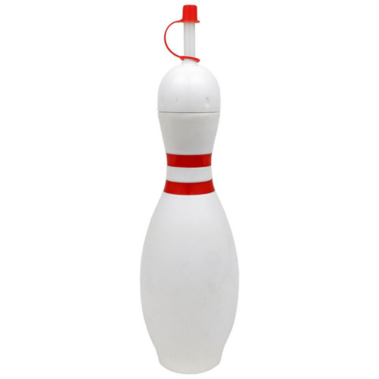 Recall Description: This recall involves Rebecca’s Toys & Prizes bowling pin sipper cups. The cups are white with red tape on the neck and a red plastic cap. The words “ITEM NO. PG1045”, the brand name and the firm’s address are printed on a white label located on the side of the sipper cup.
Recall Date: February 20, 2025
Action Steps: Consumers should immediately take the recalled cups away from children and stop using them. Contact Nazzaro for a full refund. Nazzaro is contacting all known purchasers directly.
Affected Stores: Bowling alleys nationwide from January 2018 through July 2019 for about $5.
Consumer Contact: Nazzaro toll-free at 800-777-2235 from 10 a.m. to 5:30 p.m. CT Monday through Friday, email at service@rebeccas.com, or online at https://www.rebeccas.com/recall.html or www.rebeccas.com and click “Recall” at the bottom of the page for more information.
New York Wholesale Group Recalls Zaarah Herbals Rasayan Churan, Zaarah Herbals Gurmar Powder, Zaarah Herbals Vasaka Powder and Zaarah Herbals Bhringraj Powder Because of Possible Health Risk
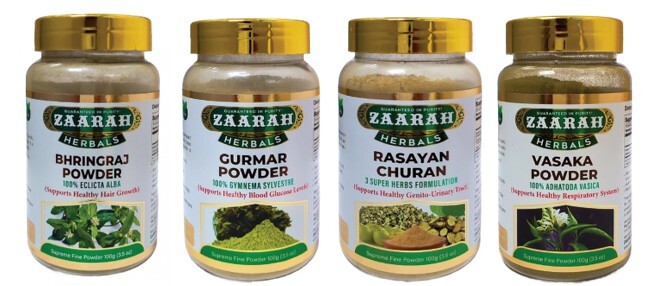 New York Wholesale Group is recalling several Zaarah Herbals products, including Rasayan Churan, Gurmar Powder, Vasaka Powder, and Bhringraj Powder, due to potential contamination with elevated levels of lead and inorganic arsenic. These products pose significant health risks, particularly for vulnerable groups such as children and pregnant individuals, as they may cause cancer, cardiovascular disease, and neurodevelopmental effects.
The recall, initiated on March 10, 2025, applies to products sold in clear 100g jars with gold lids in New York, New Jersey, Connecticut, and California between December 20, 2024, and January 7, 2025. Consumers are advised to discontinue use and return the products for a full refund. No illnesses have been reported to date.
For more details, visit the FDA's official recall announcement here.
To search all products recalled by Consumer Product Safety Commission or the Food and Drug Administration, visit their websites at https://www.cpsc.gov/Recalls and Recalls, Market Withdrawals, & Safety Alerts | FDA.
|