|
As the holiday season approaches, the Department of Energy and Environment (DOEE) is abuzz with excitement! This year, DOEE celebrated Safe Toys and Gifts Month in December! Safe Toys and Gifts Month is a special time when we focus on promoting awareness about the importance of choosing safe and age-appropriate gifts and toys for children. It's a time to ensure that the joy of giving is accompanied by safety.
During Safe Toys and Gifts Month, several tips are emphasized to ensure toy safety for children. Here are some common guidelines:
- Read Labels and Age Recommendations: Pay attention to age recommendations on toy packaging. These guidelines are there to ensure that the toy is developmentally appropriate and safe for a child of that age.
- Avoid Small Parts: Steer clear of toys with small parts that could be a choking hazard, especially for younger children. Regularly inspect toys for loose or broken parts.
- Check for Sharp Edges and Points: Ensure that toys do not have sharp edges or points that could cause injury. Smooth, rounded edges are preferable, especially for toddlers.
- Look for Non-Toxic Materials: Choose toys made from non-toxic materials. Check for labels indicating that the toy meets safety standards and be cautious of toys with potentially harmful substances.
- Inspect Stuffed Toys: For stuffed animals and plush toys, check that seams are securely stitched and that there are no small parts that could be pulled off.
- Consider Noise Levels: Be mindful of the noise levels of toys, especially for infants. Prolonged exposure to loud sounds can be harmful to a child’s hearing.
- Ensure Battery Compartments are Secure: For toys that require batteries, make sure that the battery compartments are secure and that screws are tightened to prevent access by young children.
- Supervise Play: Keep an eye on children during playtime, especially with new toys. Ensure that they are using the toys appropriately and that there are no safety concerns.
- Follow Assembly Instructions: If a toy requires assembly, follow the instructions carefully. Ensure that all components are securely attached and that the toy is stable.
- Stay Informed: Stay informed about recalls or safety alerts related to toys. Check the Consumer Product Safety Commission (CPSC) Recalls for up-to-date information.
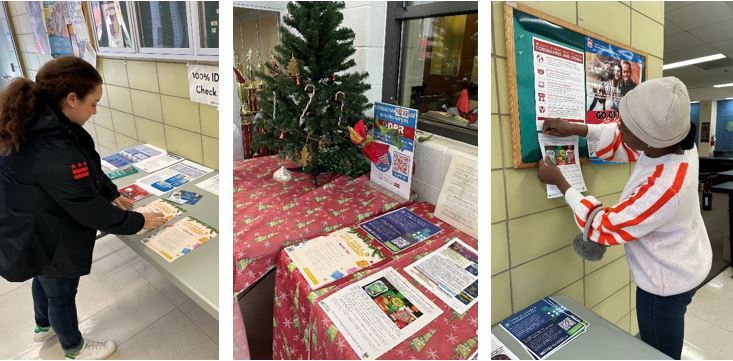 LSHHD Staff Hits the Streets: A District-Wide Tour
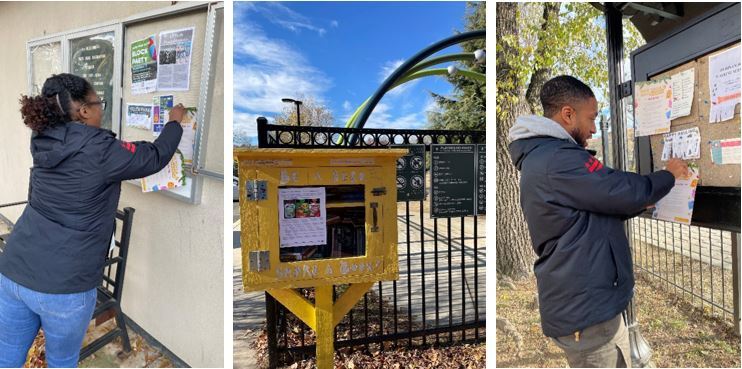
Understanding the vital role recreation centers play in organizing toy drives, the LSHHD made it a priority to connect with recreation centers in all eight Wards in the District. One of the major highlights of Safe Toys and Gifts Month in DC is a tour of the District. The LSHHD split up into small teams and engaged 30 Department of Parks and Recreation (DPR) locations in the past two weeks to distribute flyers and spread awareness about the US Food and Drug (FDA) recall of Cinnamon Applesauce Pouches contaminated with lead (see Recalls section for more information.)
By engaging the DPR locations, LSHHD can help parents, patrons and staff make informed decisions about gift giving.
 How You Can Get Involved
- Stay Informed: Keep an eye out for educational materials and resources provided by DOEE. Stay informed about toy safety guidelines and make responsible choices when purchasing gifts.
- Spread the Word: Share the knowledge! Talk to your friends, family, and neighbors about Safe Toys and Gifts Month. Encourage others to prioritize safety when selecting gifts for children.
- Engage with Your Community: Participate in local events and discussions about safe gift-giving. Connect with your neighborhood recreation center, community center, church, mosque, synagogue, or other gathering place to contribute to the culture of safety within our community.
 Key Sessions and Prominent Speakers
- Opening General Session
-
Admiral Rachel Levine, MD: The 17th Assistant Secretary for Health for the U.S. Department of Health and Human Services, Admiral Levine delivered an inspiring address.
- Topic: Public Health & the Internet: Social Media, AI, and the Future of Public Health
- The session discussed the impact of social media, artificial intelligence, and technology on public health strategies.
Monday General Session
- Topic: Ensuring Equity in Public Health Education
- Guest Panelist: Author Ian Bogost
- The panel explored the recent Supreme Court decision related to race-conscious admission decisions in higher education. It aimed to reverse inequities and ensure access to quality health education.
Closing General Session
- Topic: Looking Ahead: Transforming the Public Health System
- The session highlighted the urgent need to reimagine our public health system. Chronic underfunding and neglect of health departments were discussed in the context of the COVID pandemic.
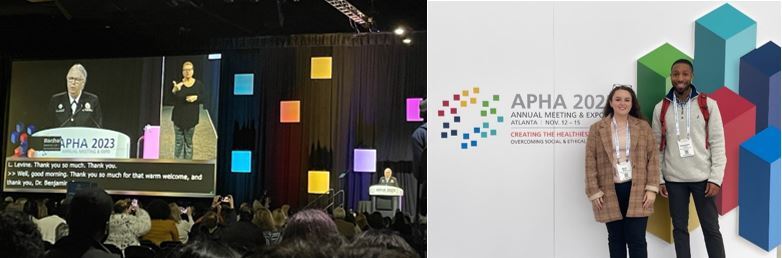 Many movers and shakers in public health were honored at the meeting. One of whom was Dolly Parton who received the APHA Presidential Citation for her remarkable contributions:
- Donation to COVID-19 Research: Dolly's generous $1 million donation to Vanderbilt University Medical Center in April 2020 significantly supported the development of the Moderna COVID-19 vaccine.
- Support for Marginalized Groups: Her advocacy and support for underserved and disadvantaged populations have been commendable.
- Devotion to Childhood Literacy: Dolly’s commitment to promoting childhood literacy has left an indelible mark.
Her presence added a touch of star power to the conference, reminding us that public health efforts can be amplified by influential voices. Whether you were there in person or joined virtually, the APHA conference was a dynamic hub of ideas, collaboration, and inspiration. Let’s continue working together to create a healthier nation!
2024 Preview: “Equity in Action”
- The 2024 APHA Annual Meeting is scheduled for October 27-30, 2024, in Minneapolis.
- The theme, “Equity in Action: Advancing Public Health for All,” promises engaging discussions, innovative solutions, and a commitment to a healthier, more equitable future
DOEE IS GEARING UP TO CELEBRATE SAFE TOYS AND GIFTS MONTH!
The Lead Safe and Healthy Housing Division at DOEE is gearing up for an exciting year of outreach activities, set to kick off in January. We invite all interested parties to join hands with us in promoting lead-safe living environments. Reach out to Amanda Ri’Chard at Amanda.Richard@dc.gov for collaboration opportunities. Here’s a glimpse of what’s coming in 2024.
- January: Radon Awareness Month
- May: Asthma Awareness Month
- June: Healthy Homes Month
- October (Last Full Week): Lead Poisoning Prevention Week
- December: Safe Toys and Gifts Month
Together, let’s make a difference in the District!
 FRONT DOOR PROVIDES RESOURCES TO HELP CURRENT AND PROSPECTIVE DISTRICT HOMEOWNERS THRIVE • Whether you are a current DC homeowner or if you would like to become one, the Front Door website provides a comprehensive set of District government resources to help residents thrive. Resources range from help managing finances and preparing to buy a house to help paying the mortgage, to making homes safer and more environmentally friendly. Users can browse resources by category or take a short quiz that will match them with the programs they may qualify for.
Front Door was launched by Mayor Bowser in November 2021 to help residents identify and access housing services more easily in one place. It is also meant to help more DC residents succeed in buying their own home and to keep long-term residents and current homeowners in their homes and in the District. Front Door is a collaboration between The Lab @ DC, the Office of the Deputy Mayor for Planning and Economic Development (DMPED),14 District government agencies (including DOEE), and residents themselves. The “resident-centered design” of the site incorporates residents’ stated goals and feedback to make sure everyone is easily able to navigate the resources. The site is regularly updated, and users are able to share feedback about their experience using the site and applying for the different programs they discover.
STAYING SAFE FROM CARBON MONOXIDE • While carbon monoxide poisoning can happen anytime, the highest number of carbon monoxide deaths occur during the months of December and January. As the winter weather sets in, we head indoors and we turn up the heat. More people use gas powered heating systems in the winter which, when not working properly, can emit dangerous levels of carbon monoxide.
Common signs of carbon monoxide poisoning might include sleepiness, nausea, vomiting, confusion, headaches, dizziness, disorientation and weakness. At very high levels, it can cause loss of consciousness and death. If you think you may be experiencing carbon monoxide poisoning, or your detector sounds an alarm, head outside immediately for fresh air and call 911. Do not re-enter the building until it has been declared safe to do so.
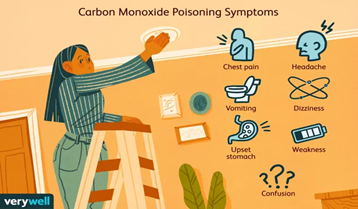 How to Prevent Carbon Monoxide Poisoning
Smoke and carbon monoxide detectors save lives and should be placed outside each sleeping area and on each level of the home. They should be tested monthly according to manufacturing instructions and the batteries should be changed every six months. Smoke and carbon monoxide detectors should either be battery-powered or have a battery back-up in case of potential power outages during a storm.
Additional Tips for Preventing Carbon Monoxide Poisoning from the Centers for Disease Control and Prevention (CDC) include:
- Have your heating system, water heater and any other gas-, oil-, or coal- burning appliances serviced by a qualified technician every year. If you are a renter, ask your landlord to have the heating system serviced.
- Keep vents and flues free of debris. Debris can block ventilation lines.
- Never leave the motor running in a vehicle parked in an enclosed or partially enclosed space, such as a garage.
- Never run a motor vehicle, generator, pressure washer, or any gasoline-powered engine less than 20 feet from an open window, door, or vent where exhaust can vent into an enclosed area.
- Never use a charcoal grill, hibachi, lantern, or portable camping stove inside a home, tent, or camper.
- Never run a generator, pressure washer, or any gasoline-powered engine inside a basement, garage, or other enclosed structure, even if the doors or windows are open.
RECENT RECALLS
Urgent Recall: Lead Contamination in Cinnamon Applesauce Products
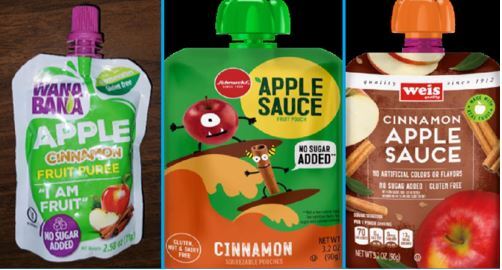
The U.S. Food and Drug Administration (FDA), along with the Centers for Disease Control and Prevention (CDC) and state and local partners, are investigating reports of elevated blood lead levels in individuals with reported exposure to Apple Cinnamon Fruit Puree pouches. The FDA has issued a recall for the following products due to the presence of lead:
- WanaBana apple cinnamon fruit puree pouches
- Schnucks-brand cinnamon-flavored applesauce pouches and variety pack
- Weis-brand cinnamon applesauce pouches
Symptoms of Lead Toxicity: Lead can be harmful, especially to children. While immediate symptoms may not be apparent, it is essential to remain vigilant. Short-term exposure can result in symptoms such as headache, abdominal pain, vomiting, and anemia, while longer-term exposure may lead to irritability, lethargy, muscle aches, difficulty concentrating, and more.
Acton Steps: We kindly ask you to take the following steps:
-
Check Your Home: Please check your homes for any of the recalled products. If found, refrain from consuming them.
-
Medical Attention: If you suspect your child may have been exposed to lead or is displaying any symptoms, we strongly recommend consulting a healthcare provider promptly.
-
Product Disposal: Safely dispose of any recalled items you may have in your possession. Carefully open the pouch and empty the contents into a trash can before discarding the packaging to prevent others from salvaging recalled products from the trash. Clean up any spills aer discarding the product then wash your hands.
Affected Stores:
- WanaBana apple cinnamon fruit puree pouches are sold nationally, available through various retailers, including Amazon, Dollar Tree, and other online outlets.
|
|