Historical Commission Corner
Historical Musuem Replica Ribbon Cutting
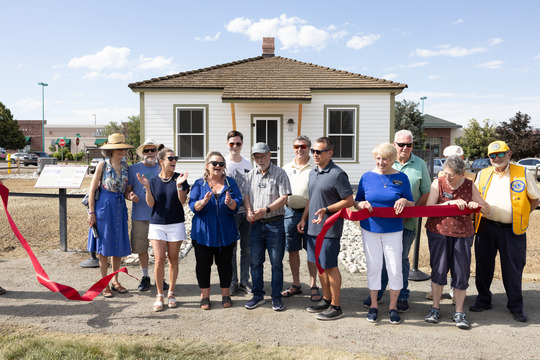
During a lovely afternoon on June 29, the Town of Superior and its Arts & History department hosted a ribbon-cutting ceremony in Asti Park at 4 p.m.
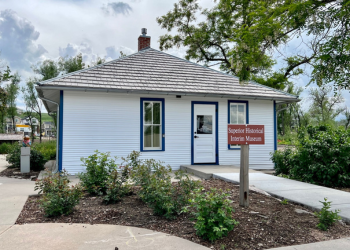
More than 75 visitors congregated under a tent in the park to hear a lineup of speakers, including Mayor Mark Lacis, recount the resurrection of the Superior Historical Museum, which was reduced to ashes by the 2021 Marshall Fire.
Once the formalities were over, those present enjoyed free ice cream and were welcome to explore the new building, which is a faithful replica of the age-old mine camp house lost in the fire. The event had great media coverage and embodied a perfect small-town vibe.
 The Historical Commission is thankful beyond words for the support of the Board of Trustees and the Town of Superior administration. We will soon embark on an overall exhibit plan for how to best occupy and furnish the new structure. In the meantime, the history of Superior and the surrounding area is on display at the interim museum in the Bungalow at Grasso Park. Our next open day there will be Aug. 3 from 10 a.m. to 2 p.m.
We are sad to recognize the passing of important people recently:
- Elsie Chavez, long-time Original Town resident
- Louise Bennett, {nee Bonelli} who grew up in Superior and spent much of her life in Original Town
- David Cartwright, past Historical Commissioner and faithful volunteer at the Historical Museum
Remnants of the Monarch 1 Mine
The observant motorist driving along Marshall Road west of Superior approaching 66th Street may have noticed some intriguing, blackened mounds to the south out in the Boulder County Open Space. They may have also spotted a horizontal line gently descending into Marshall.
These remnants of the past are two important components of the area's history. The mounds are the tailings from a coal mine called the Monarch No. 1 and the relatively level roadbed is the old railroad grade of the Colorado and Southern/D&I Railways.
The remains of Monarch Mine No. 1, active from 1902 to 1918, consist of a mine “dump,” which is where the unusable, non-coal bearing material was dumped, and a few concrete foundations. The site is on Boulder County Open Space and is close to the Mayhoffer-Singletree Tail where it ends at 66th Street.
Monarch No. 1 isn’t as well-known as Monarch No. 2, which was located a few miles east and was infamous due to the disastrous explosion of 1936, which took the lives of eight miners. On a more positive note, Monarch High was named in recognition of the miners lost in that tragic event.
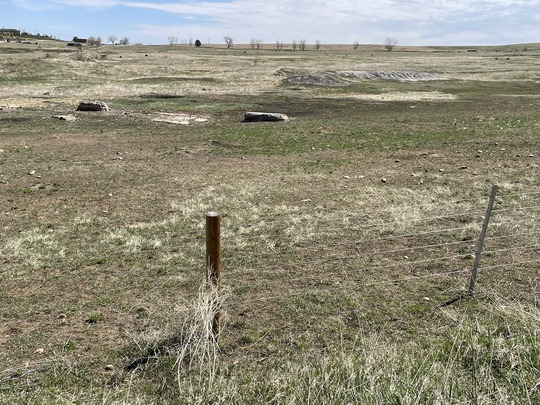 Historic Mine 1 site with slight dark scorches where materials were dumped.
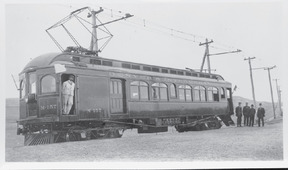
The rail line was the secondary main line of the C&S railroad running steam-powered passenger and freight trains between Denver, Boulder and beyond. The primary main line is the current BNSF route through Broomfield and Louisville. The Denver & Interurban was a subsidiary of the C&S that operated electric-powered trains promising “Boulder to Denver in about an hour.” Not only did this service stop at the Superior Depot, but it also made many other stops, such as the Monarch No. 1 and other coal mines along the route.
|
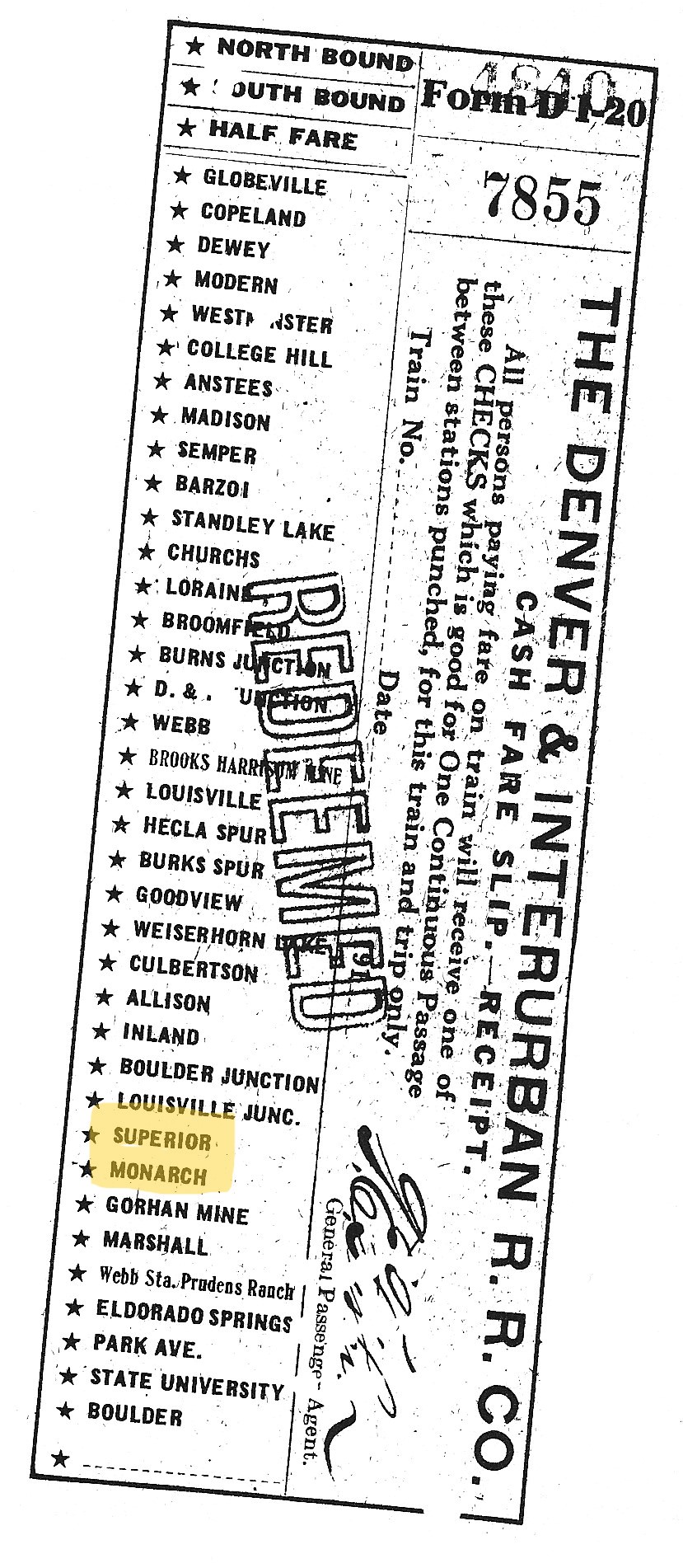
This D&I ticket shows stops at Superior and Monarch, highlighted in yellow. Click to enlarge.
The mine company moved the operation to Monarch No. 2 upper seam near today’s 96th Street and U.S. 36 in 1909. It was active until 1946. The Denver & Interurban ran until 1926 when it switched over to bus operations.
Historical Interim Museum open every first Saturday
Mark your calendars and come visit the Superior Interim Historical Museum – we’re open every first Saturday of the month in the Grasso Park Bungalow (112 E. William St.), and will be open again on Aug. 3 from 10 a.m. to 2 p.m.
|
Did you know that:
-
The railroad station in the old mining town of Waldorf once laid claim to being at the highest elevation in the country, maybe in the world? It was found at 11,666 feet above sea level. The railroad to Waldorf began from the depot at Silver Plume.
-
The largest gold nugget mined in Colorado came in at 135 ounces? It was called “Tom’s Baby” after its discoverer Tom Broves who dug it from a mine on Farcomb Hill near Breckinridge in 1887.
- In 1776, Spanish explorer Father Escalante named a river in western Colorado the Dolores? The full name of the river is Río de Nuestra Señora de los Dolores or the River of Our Lady of Sorrows.
For more information about the Historical Commission and its activities, contact Commission Liaison Jennifer “JG” Garner at 303-499-3675, ext. 167, Commission Chair Larry Dorsey at 303-499-1969, or just click on the “Historical Commission Info” button below.
Written by Larry Dorsey, proofed by Dorothy Mahan.
|