Historical Commission Corner
News and Events
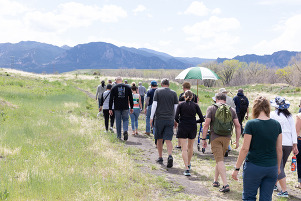
Historic Walk to the Industrial Mine site
We’re excited for the upcoming Historic Commission Annual Walk, one of our most popular events, on May 4 starting at 2 p.m. Setting off from the Grasso Bungalow Museum (100 E. William St.), experience Superior as it was 100 years ago and enjoy a different perspective on the Town and its unique past.
We will begin the walk from Grasso Park and stop along the way at important historical sites such as the location of the former railroad depot. The highlight of the walk is the Industrial Mine and Mine Camp site on the Boulder County Open Space south of Coal Creek. Stand on the site of the original mine shaft where miners used to descend 265 feet below to mine coal! Come see the age-old foundations of the humble miner’s houses.
Participants should plan on walking at least two miles, bringing water and sun protection and wearing appropriate shoes and clothing for the terrain and weather.
|
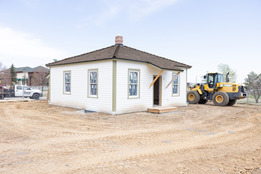
Continued progress on the Historical Musuem Rebuild Project
The Historical Commission is pleased to see the continued progress on the reconstruction of the Historical Museum. We have started planning for an eventual move into the finished building in the near future. Be on the lookout for more information about its opening.
|
The infamous Ludlow Massacre
It was an ominous Colorado morning on April 20, 1914. The Colorado Coalfield War in the Southern Colorado Coal Fields was about to become a day of infamy in that labor - management conflict 110 years ago. Due to wages determined by the amount of coal each miner loaded into a mine car, unsafe working conditions, exploitation at the company store and other grievances, coal miners went on strike.
That April morn evolved into the deadliest day in the Coal Field War in a tragic event known as the Ludlow Massacre. The governor sent the Colorado National Guard to the mine camp of Ludlow, located between Walsenburg and Pueblo, to help management keep the mine open. The Guard was hardly neutral. In fact, the expenses for their activation were paid by the Rockefeller family, owner of the Colorado Fuel and Iron Corporation.
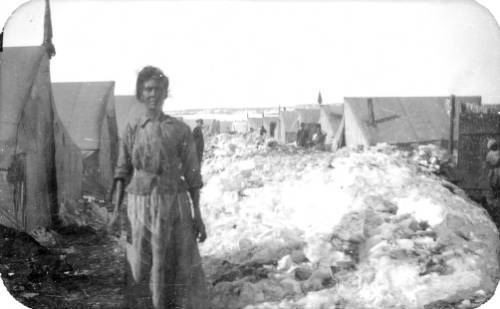
Ludlow tent camp after a big snow. Courtesy Denver Public Library, Western History Collection
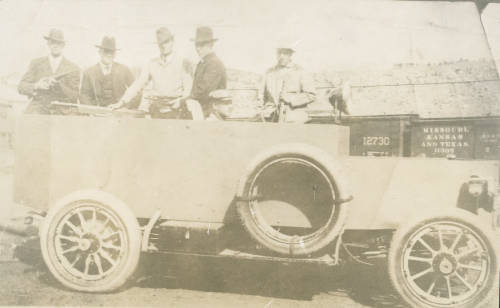
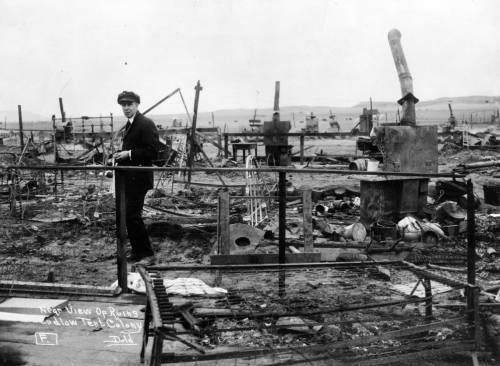
Who fired the first shot is up for debate, but we know the Guardsmen fired machine gun rounds into the tents that made up a camp of over 900 people. The strikers, armed with less weaponry, returned fire as best as they could. Women and children hid out in holes dug into the ground under the tent seeking protection. Unexpectedly, the guardsmen set fire to the tent camp, and instead of protection the hideout led to their doom. The victims were asphyxiated, and their bodies burned. Once the embers cooled, the bodies of 11 children and two women were discovered.
The "Death Special" armored car with a mounted 50 caliber machine that sprayed bullets over the camp. Courtesy Denver Public Library, Western History Collection
Sixty-six people perished in the Coal Field War. Once the United Mine Workers ran out of money, the strike was called off, resulting in no improvements to their working conditions or pay, but the sympathies of the nation were on the workers side. Improvements began in the following decade.
The burned out tent camp after being set on fire by National Guard. Courtesy Denver Public Library, Western History Collection
The miners here in the Northern Colorado Coal Fields also walked off the job in strike. This event is called the Long Strike of 1910 to 1914. Here in Superior, strikers and strike breakers had numerous conflicts resulting in fatalities. This nearly 5-year long strike also failed to reach its goals. Thankfully, the sentiment for the victims of the Ludlow Massacre helped to eventually bring about meaningful reform.
Historical Interim Museum open every first Saturday
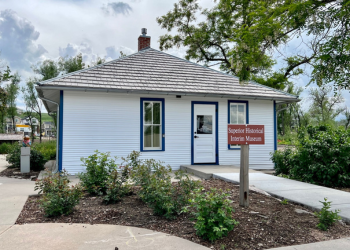
Mark your calendars and come visit the Superior Interim Historical Museum – we’re open every first Saturday of the month from 10 a.m. to 2 p.m. in the Grasso Park Bungalow (112 E. William St.), and will be open again on May 4 from 10 a.m. to 2 p.m.
|
Did You Know That:
-
In April of 1914 during the Long Strike, Superior Town Marshall George Kupfner was shot in the back by a strike breaker? Fortunately, the wound was not fatal, and Mr. Kupfner lived a long life in Superior.
-
The town of Cheyenne Wells, CO, has an annual Tumbleweed Festival? As a part of the fete, baseball teams play around the clock the entire weekend.
- The name of the town Jarosa and Superior Street of the same name means “bramble covered" in Spanish?
For more information about the Historical Commission and its activities, contact Commission Liaison Jennifer “JG” Garner at 303-499-3675, ext. 167, Commission Chair Larry Dorsey at 303-499-1969, or just click on the “Historical Commission Info” button below.
Written by Larry Dorsey, proofed by Dorothy Mahan.
|