 Hydrant flushing begins this week
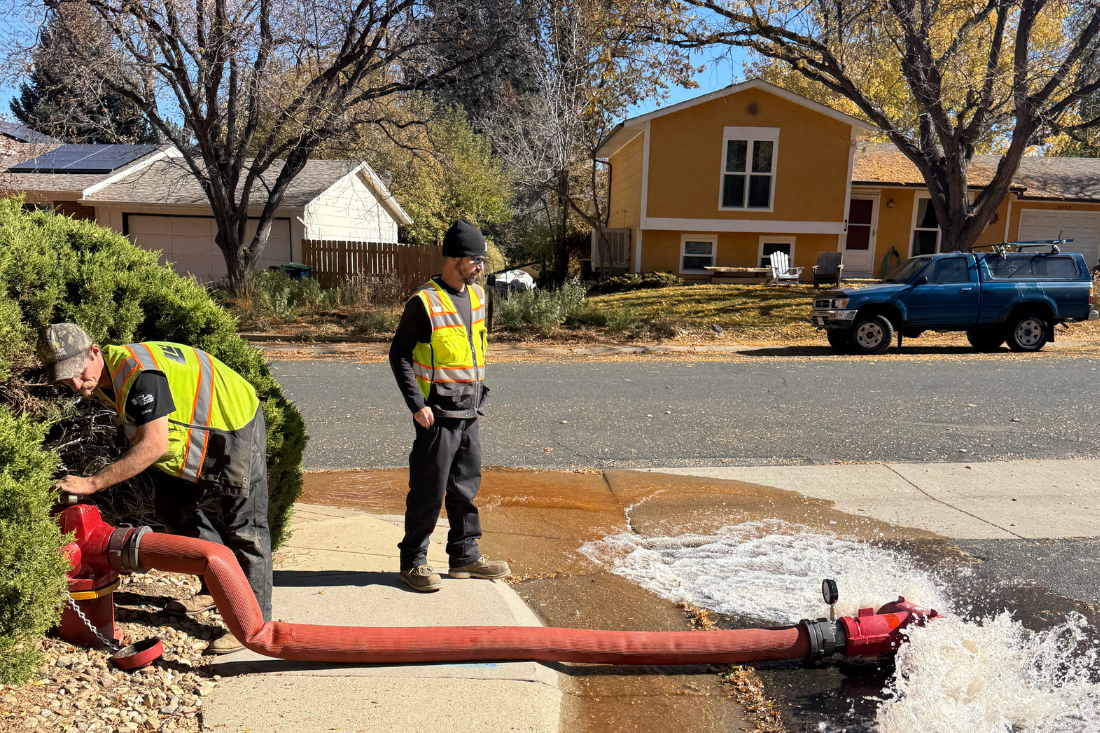
City utility crews will begin annual hydrant flushing on Monday, May 4 to maintain water quality and system performance. The City follows American Water Works Association guidelines for unidirectional flushing, a method that removes sediment from water mains while minimizing impacts to customers.
What to expect
- Temporary water discoloration (yellow, brown, or rusty) may occur
- Discoloration is not harmful but may stain laundry
- Impacts are typically limited to the day crews are working in your area
- No street closures, but you will see crews, machinery and water runoff
Recommendations
- Avoid washing laundry between 8:00 a.m. and 4:00 p.m. during flushing in your area
- If water appears discolored, run an outdoor hose or cold water faucet for several minutes until clear
If discoloration persists
- Use cold water only
- Run an outside faucet (if available) for 5–10 minutes
- Run indoor cold water faucets for 5–10 minutes, starting at the lowest level
- If needed, wait 30 minutes and repeat
- Avoid washing laundry until water is clear
If any issues continue after following these steps to flush your home system, please call 303-335-4750.
Why do we flush hydrants?
Hydrant flushing is essential preventive maintenance that helps maintain drinking water quality and ensures the system can deliver maximum flow, including for fire protection. Flushing improves water quality by removing sediment, mineral buildup, stagnant water, and biofilm-prone conditions from water mains. It helps maintain drinking water standards and keeps water safe to use.
Why don't we capture water?
The flushing works because hydrants discharge at high velocity to scour mains; slowing that flow for capturing would undermine the maintenance objective and could result in more water being used. Capturing hydrant discharge would also require a storage mechanism like tanker trucks or contracted hauling and designated discharge site(s). Transportation would come with unbudgeted costs and added traffic and associated emissions.
Why are we flushing during a drought?
The City is balancing being good stewards of our water while providing high quality drinking water to our community. Hydrant flushing is preventive maintenance for the drinking-water system. It removes sediment and stagnant water, supports water quality, and verifies hydrants for fire protection. The total volume discharged during hydrant flushing is less than one day of typical winter water demand, spread over a 4–6-week period.
Where and when we're flushing
Each year, we flush one-third of the city by rotating through three designated areas. This year, crews will focus on the “middle” section of Louisville, shown in green on the map below.
Hydrant flushing will continue through May and into June if needed due to weather delays.
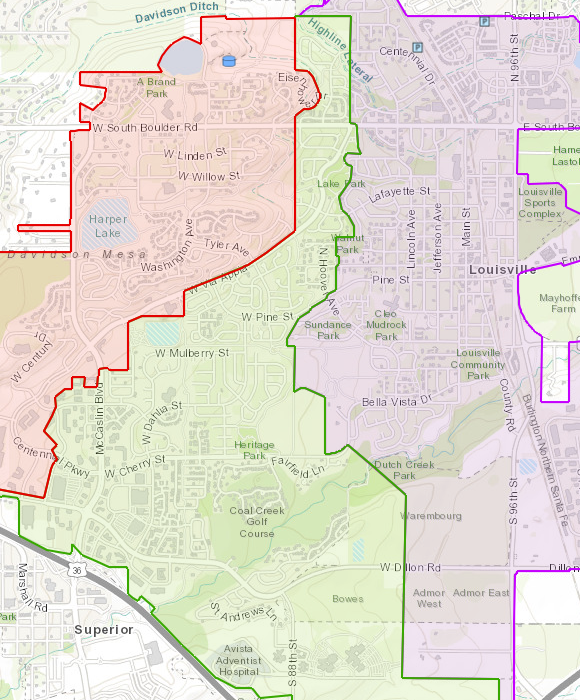 Flushing will occur in the green area throughout May of 2026.
|