|
Museum Closure: New Years Day
Thursday, January 1 | All day
1001 Main Street
Learn more
|
|
 |
Pop-Up Quilting Workshop
Wednesday, January 14 | 3:30 - 5 p.m.
1001 Main Street
Register here
|
|
 |
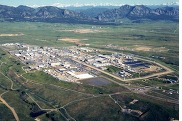
Front Window Exhibit: "Hometown Nuclear: The Story of Rocky Flats & Louisville"
December 2 - February 28
1001 Main Street
Learn more
|
|
 |
Museum Closure
January 20 - 22 | All day
1001 Main Street
Learn more
|
|
|
|
|
 Looking back on 2025
Thanks to the support and engagement of our amazing community, 2025 brought another record-breaking year of growth to the Louisville Historical Museum!
The Museum saw more visitors and hosted more programs than ever:
- We saw over 6,300 Museum visitors from 38 states and 17 different countries.
- The Museum held 65 special programs and tours attended by 4,091 people.
-
1,470 people attended our First Friday programs.
-
517 people joined us for our annual Vintage Base Ball Game.
- We received over 70 different donations and added more than 350 objects to our collection.
- Staff and volunteers completed 17 oral histories totaling around 23 hours of stories from community members.
Here’s to another banner year in 2026!
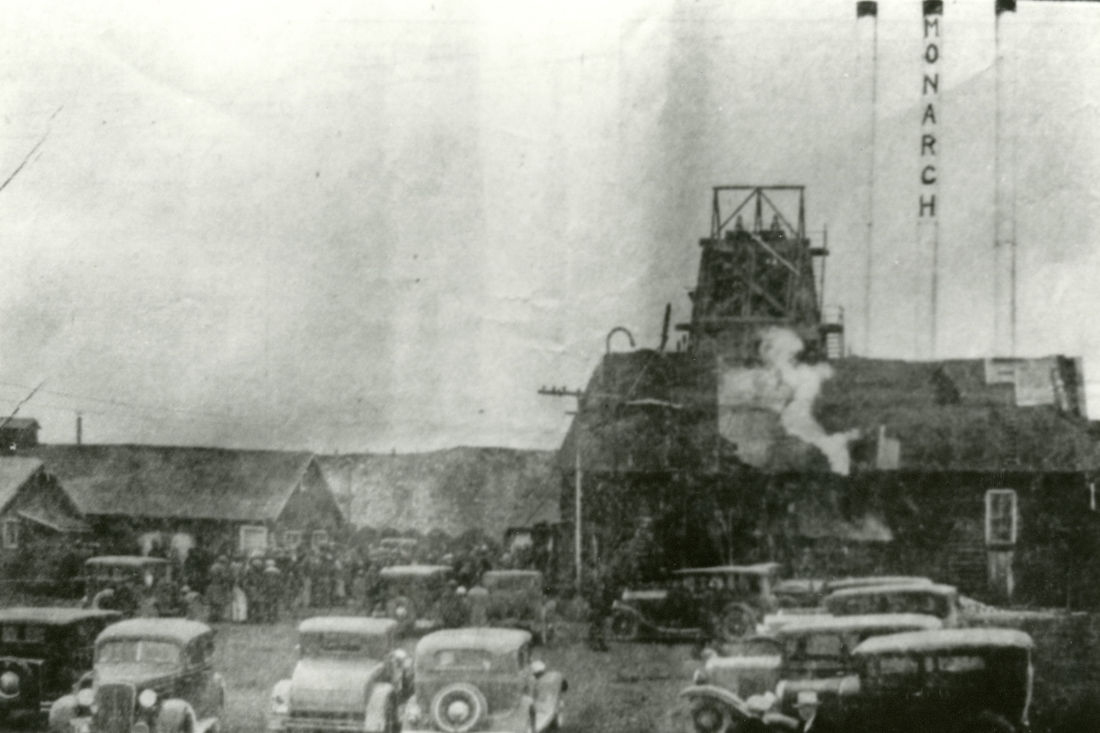 The Monarch No. 2 Mine after the deadly explosion on January 20, 1936. Note the smoke and massive hole in the roof of the Monarch’s tipple. A crowd of people stand in front of the mine entrance.
January 20 marks the 90-year anniversary of the Monarch No. 2 Mine explosion
Ninety years ago, catastrophe struck communities across the northern coalfield. On January 20, 1936 at 6:20 a.m., an explosion tore through the Monarch No. 2 Mine, killing eight miners working the overnight shift. Their names were Ray Bailey, Oscar Baird, Steve Davis, Tony DeSantis, Joe Jaramillo, Kester Novinger, Tom Stevens, and Leland Ward. A leakage of methane gas, a buildup of coal dust, and a spark caused the explosion. The explosion was the deadliest mining accident in Boulder County’s history. On the 90-year anniversary of the accident, the Museum invites the community to reflect on the personal risk that coal miners put themselves in to earn a living and remember the industrial tragedies that once marked a regular fact of life for families throughout Louisville.
|
|
Kick off this year's US 250/CO 150 celebrations at our pop-up quilting workshop
Join us for our first sesquisemiquincentennial program of the year and channel your inner Betsy Ross! Stop by the Museum for some good old-fashioned hand-stitching. Harken back to the days before sewing machines and learn about hand-quilting stitches and styles with a community of folks!
|
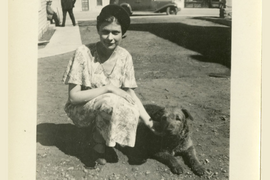
View our most adorable online exhibit yet: "Dog Days of Louisville"
Love dogs? Well so did Louisville residents of decades past! Check out our new online exhibit “Dog Days of Louisville” to explore photographs from the collection that show snapshots of people’s lives with their pets!
|
|
 Join the Louisville History Foundation
If you have a passion for Louisville history and want to make a difference, consider joining the Louisville History Foundation Board of Directors. Board members help shape the future of local history through advocacy, community engagement, and fundraising. We are particularly interested in dedicated community members with experience in these areas: legal expertise, financial planning for membership and fundraising, technology and digital initiatives, Louisville business owners. The Louisville History Foundation is a non-profit 501(c)(3) dedicated to preserving and celebrating our city’s unique heritage by supporting the Louisville Historical Museum.
|
 Dive into Louisville history with our oral history collection
Want to hear about Louisville’s past in the words and memories of a local? Thanks to the participation of dozens of Louisville residents and a talented and dedicated team of oral history program volunteers, the Louisville Historical Museum has a rich collection of recorded interviews documenting Louisville's unique history. The Museum has captured people's memories and stories about Louisville in over 170 hours of interviews conducted since 2009. Check out the collection on our website today!
|
|
Membership
Join or Renew Today!
We love our members! Members can renew online, via mail, or in person. As a reminder, if paying by check, please make your membership check out to the Louisville Historical Museum and remember to make any monetary donations separately to the Louisville History Foundation. Thank you for your support!
Not a member yet? Join today with the perfect membership type for you. The Historical Museum offers individual, family, and business memberships, as well as gift memberships so that you can give someone who loves Louisville and history full access to all that the Museum has to offer.
Museum members receive the Louisville Historian in the mail four times each year. You can also make a donation directly to the Louisville History Foundation to support the work the Museum does and special projects.
|
|
|
740 Front
Alternating Current Press
ARC Thrift Stores
Ariel IT Services
Atomic Forge
Berkelhammer Tree Experts, Inc.
Bolder Insurance
Coal Creek Collision Center
Cory Nickerson - 8z Real Estate
Creative Framing & Art Gallery
DAJ Design, Inc.
Deep End Solutions
E & L Team at RE/MAX Elevate
Ferguson's Family Plumbing and Drain
Fingerplay Studios
|
|
Gstalder Louisville Law Group
Hofgard & Associates, P.C.
Louisville Cyclery
Louisville Tire & Auto Care
Moxie Bread Co.
Origin CPA Group
Paul's Coffee & Tea
Pine Street Plaza
Pink House Co.
Premier Members Credit Union
Seward Mechanical Systems
Society of Italian Americans
Stewart Architecture
Ters Family Dentistry
The Singing Cook
|
|
 Historic Photo Feature
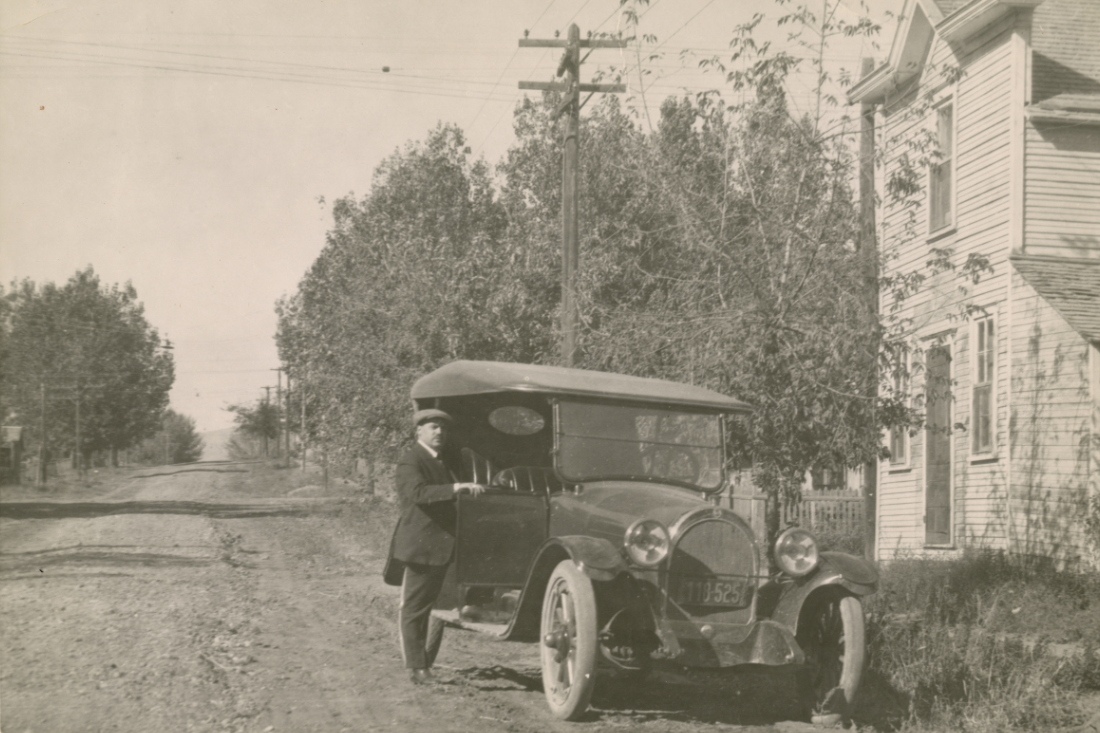
Marcello "Frank" Jacoe poses next to a car on Short Street. The Fischer Carpenter Store is visible to the right, c. 1910s-1920s.
Louisville's roads were not paved until the 1950s. Prior to that time, the town used red ash as a road surface. The material consisted of rock, clay, slate, and poor grade coal. Red ash was a byproduct of coal mining, and each mine had a dump where it would discard of it. The clay in the discarded ash made it a desirable road surface because it provided better stability than regular dirt.
Longtime Louisville residents used to recall the red plumes of dust, or "rooster tails," that cars produced as they drove by. Additionally, red dust constantly accumulated in people's homes. Harry Mayor, born in 1918, recalled, "The fine red dust would settle on any surface, regardless of how you tried to keep it out of the house. Cleaning was a continuous ritual because of this monster, which covered every surface and required daily dusting and wiping."
|
|
|
|
|