Section 1: Key Findings from the Determinations
The review of the 2025 complaints highlights the significant and costly consequences of non-compliance. Enforcement actions focused heavily on major and moderate violations, emphasizing that minor oversights are quickly escalating to serious findings.
Violation Severity: The Dominance of Major and Moderate Findings
Out of 24 total weighted violations identified in the final determinations:
- Major Violations: 11 instances
- Moderate Violations: 11 instances
- Minor Violations: 2 instances
This distribution underscores that the most frequent issues are those involving significant deviations from established regulations, rather than minor technical errors.
Consequences: High Cost of Non-Compliance
The Safety Commission imposed substantial remedial actions to enforce accountability:
|
Remedy Type
|
Count (Instances)
|
Implication
|
|
Fines Assessed
|
22
|
Multiple substantial fines were levied, demonstrating the high financial risk of violations.
|
|
Mandated Training
|
15
|
Specific training (e.g., iLearn811 Excavator Course) was required for employees/supervisors, indicating deficiencies in core knowledge.
|
|
Complaints Closed
|
6
|
Complaints were closed with no remedial action or after successful completion of required actions.
|
Return to top
Section 2: Compliance Spotlight
The data reveals that certain entities consistently face complaints. Focused attention and systemic internal process changes are required by these parties to reduce repeat offenses.
Top 5 Most Frequent Respondents (by Number of Complaints):
- Communications: 11 Complaints
- Gas: 5 Complaints
- Contractors: 4 Complaints
- Excavators: 1 Complaint
Return to top
Section 3: Mandatory Best Practices to Avoid Violations
Violations are preventable. The following practices are crucial steps for all excavators and facility locators to implement immediately to enhance compliance and mitigate risks:
For All Parties: Prioritize Training & Certification
The mandated use of training programs in the remedies confirms a knowledge gap.
- Action: Ensure all employees involved in excavation, ticket management, and locating duties complete and renew certifications for recognized damage prevention courses:
-
ACEC Colorado Course: SUE Training for Government Agencies and Engineers(opens in new window)
- Colorado 811 Courses
-
Paradigm Liaison Services Courses(opens in new window)
- Excavator Damage Prevention & Pipeline Safety Program
- Coordinated Response Exercise Pipeline Safety Program (CoRE)
- Goal: Bridge knowledge gaps and reinforce legal responsibilities.
For Facility Owners and Locators: Accuracy is Non-Negotiable
Inaccurate or untimely marking is a core contributor to utility strikes.
-
Action: Locators must provide accurate and timely marks within the legally defined limits of the locate request.
-
Action: When a facility cannot be accessed or marked, clear and documented communication must be provided to the excavator.
For Excavators: Respect the Tolerance Zone and Hand Dig
Mechanical excavation within the tolerance zone without verification is a leading cause of Major violations.
-
Action: No mechanical excavation is permitted within the defined tolerance zone (typically 18 inches horizontally from each side of the facility mark).
-
Action: Mandatory Potholing: Hand digging or vacuum excavation (potholing) must be used to physically expose the facility before proceeding with mechanical means in the area of the utility.
Return to top
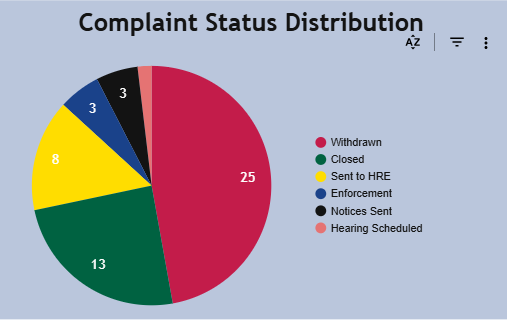
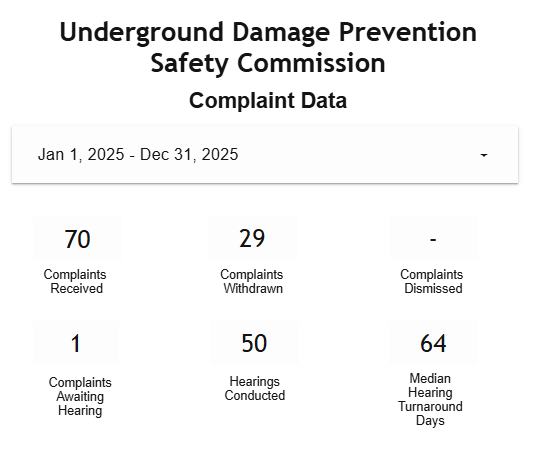
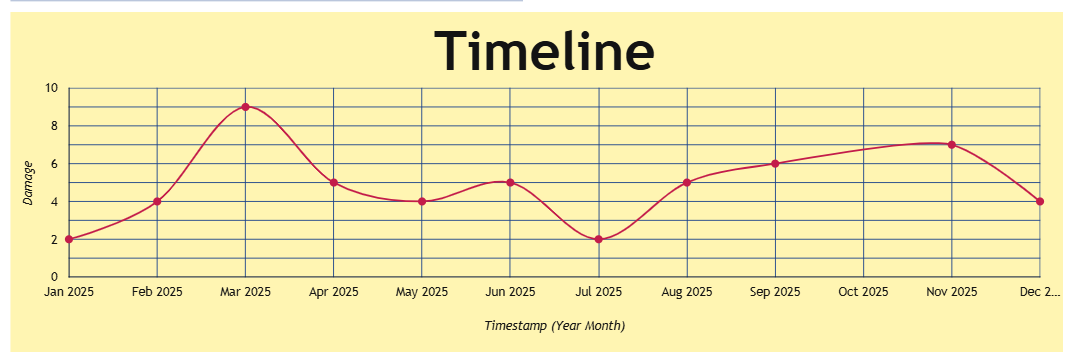
Dashboard Summary of 2025 Determinations
Conclusion: Damage prevention is a shared responsibility. We urge all members of the industry to review their internal processes against these findings and implement necessary changes to make the next year safer and more compliant.
For more detailed data information, please contact the Safety Commission staff team at cdle_safetycommission@state.co.us.
|