In this Issue:
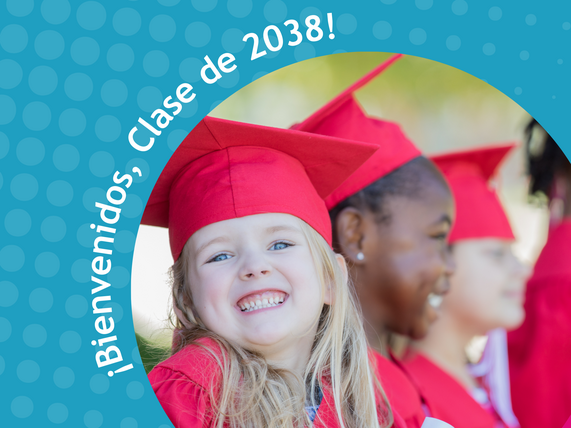
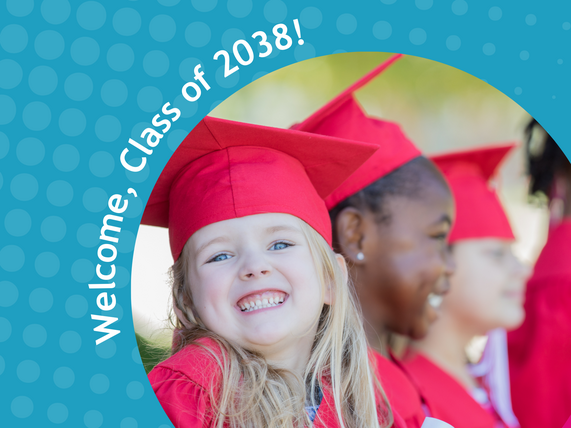 Welcome, Class of 2038!
Congratulations! Your child is beginning their exciting journey into preschool. A time filled with discovery, growth, and joy. As your child steps into this new world of learning, we know that you’ll be right there with them, guiding and supporting every step of the way.
In this edition, we’ll explore how to break down instructions in ways that enhance your child’s understanding of completing a task, offer tips for nurturing a love of learning that will carry them through their educational journey, and provide strategies for social and emotional learning that strengthens your bond and supports their development. Here’s to a wonderful year ahead, let’s make it a memorable start to a bright future!
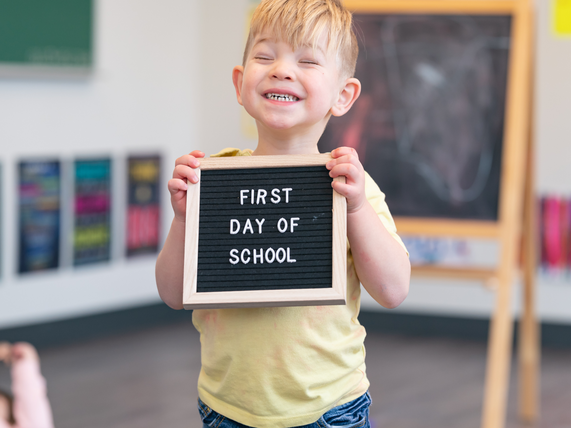
Don’t forget to share your child’s first day of school photo using #Classof2038
Breaking Down Instructions
Following directions is a key part of learning and classroom routines. For young children, directions need to be broken up into small steps. Use simple words they can understand to create 1-step instructions. Practicing listening and following directions at home will support your child's independence and classroom experience.
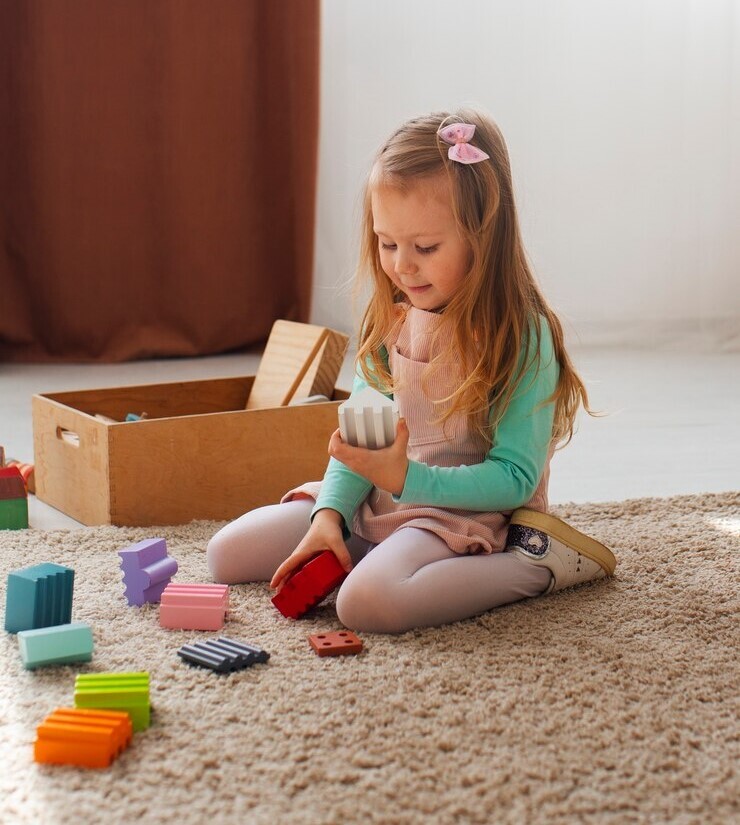 Use Specific Language: For example, instead of saying, "Clean up your toys," try, "Put the blocks in the bin." This approach keeps kids from feeling overwhelmed and helps them feel confident about finishing tasks. As they get better at following directions, you can start to sequence directions such as. “First, put the blocks in the bin. Next, put the books on the shelf”. Aim to always include a spatial action such as on, over, in, and under to support your child's spatial awareness.
Visual Cues: Incorporate visual aids like pictures or gestures to support your words. When asking your child to get their water bottle, pointing to it helps them make the connection. You can support them even further by taking pictures of their everyday objects and using them as labels around the house. Visual cues are powerful tools for young learners still developing language skills.
Modeling Behavior: Children often need to see how something is done before they can do it themselves. Show them how to do a task while explaining what you're doing. This makes the steps clearer and keeps them interested. For example, show them how to pull open and close the zipper on their backpack, then take out and open their lunch box. It may seem simple to adults but this can be a big struggle for preschoolers. This may sound like “I am unzipping the backpack, pull the zipper. Next, I will pull out the lunchbox. I will then pull the zipper back up to close the backpack. Now I will put the lunchbox on the table”. Self-talk allows your child to hear words and connect them to actions. The more words a child hears, the greater their vocabulary will be.
Positive Feedback: Praise your child when they follow instructions well. Clap your hands, and say “You did it. I knew you could put your shoes on by yourself!” “Great job following directions!” Positive feedback encourages them to listen carefully and feel confident in their abilities. It builds a strong foundation for collaborative behavior both at home and in the classroom.
 Nurturing a Love of Learning
A love of learning starts at home and can be nurtured through everyday activities. Here are some ways to inspire your child's natural curiosity.
-
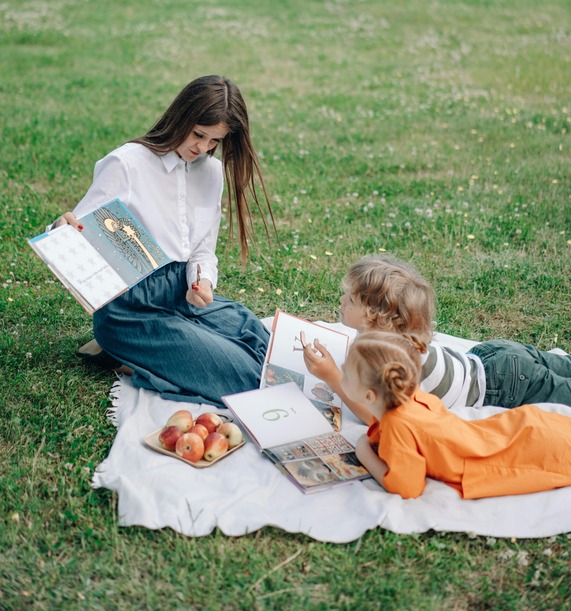
Read Together: Reading opens up the world of knowledge and imagination for children. Make story time a daily routine, and use free resources such as the public library. Additionally, your child's school may provide you with access to a free online library; be sure to ask! Read books about starting school with your child and discuss any questions that your child may ask.
-
Explore the World: Explore your neighborhood, take walks around the block and park, visiting museums, animal shelters, and libraries. Ask questions that encourage back-and-forth exchanges like, "What do you think that is?" or "How does that work?" Encourage your child to think deeply. These adventures can turn everyday experiences into valuable learning moments.
-
Encourage Play-Based Learning: Children learn best through play. Provide play opportunities where they can experiment, build, and explore. Whether playing with blocks, drawing, or role-playing, these activities develop creativity, problem-solving skills, and a love for discovery.
Try this: Get ready for back-to-school by engaging your child in the process. Together, pick out what clothes to wear the night before. This allows your child to develop a sense of independence and keeps the morning routine smooth. For more back-to-school information and fun activities click here.
 Social and Emotional Learning
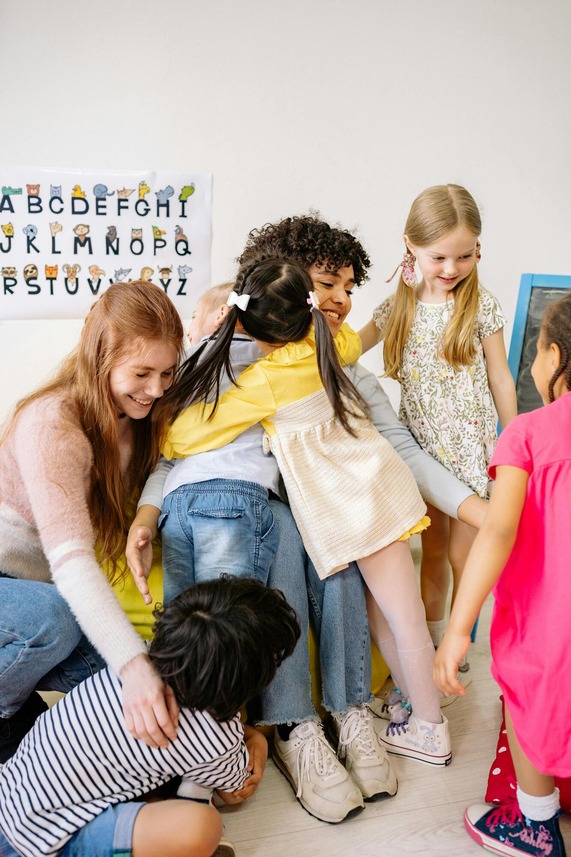
Starting preschool is a big step, and it's important to give both you and your child time to adjust to the new environment and routines. Remember, transition takes time and patience.
Easing first-day drop-offs: Encourage your child to be independent as they learn the routine. It may be slow at first but it will get easier with time. The week before school starts practice the routine at home with your child and walk them through what will happen at drop-off. Practice how you will say goodbye and promise to come back. For example “Have an amazing day, I love you. I’ll be back to pick you up after snack time. I can’t wait to hear about your day!”.
Talk about learning: Talking about learning is an important way to support your child's social and emotional development. The way children respond to us depends on the questions we ask. Ask specific questions and open up a conversation with questions that encourage them to reflect on their day and share experiences.
Here are a few examples:
- What was the best part of your day?
- Who did you sit with during lunch?
- What was your favorite thing about playing outside?
- Who did you play with today?
- What stories did your teacher read today?
Engage with your child's teacher: Building a strong partnership with your child’s teacher is key to ensuring a positive and effective preschool experience. Work together with the teacher to share your goals, and insights about your child's interests, strengths, and challenges they may face. Aim to set an open and collaborative dynamic. Remember, you are your child's most influential teacher and best advocate.
As your child begins their preschool adventure, know that your support plays a crucial role in their success. By breaking down instructions, nurturing a love of learning, and fostering emotional and social development, you're laying the foundation for a joyful and enriching preschool experience. Here’s to a fantastic start to the school year! Be sure to share your child's first day of school moments with us using #Classof2038. We can't wait to celebrate this milestone with you!
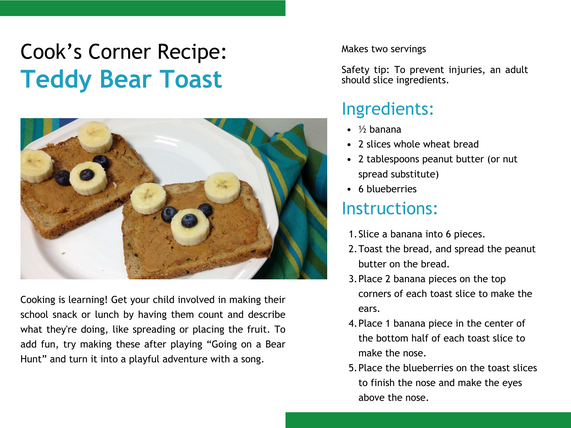
Cook's Corner Recipe:
 Español
¡Bienvenidos, Clase de 2038!
¡Felicidades! Su hijo está comenzando su emocionante viaje hacia el preescolar. Un tiempo lleno de descubrimiento, crecimiento y alegría. A medida que su hijo ingresa a este nuevo mundo de aprendizaje, sabemos que usted estará allí con él, guiándolo y apoyándolo en cada paso del camino.
En esta edición, exploraremos cómo desglosar las instrucciones de manera que mejoren la comprensión de su hijo sobre cómo completar una tarea, ofreceremos consejos para fomentar el amor por el aprendizaje que lo llevarán a lo largo de su viaje educativo y brindaremos estrategias para el aprendizaje social y emocional. que fortalece su vínculo y apoya su desarrollo. Brindemos por un año maravilloso por delante, ¡hagamos que sea un comienzo memorable para un futuro brillante!
No olvide compartir la foto del primer día de clases de su hijo usando #Classof2038
Desglose de instrucciones
Seguir instrucciones es una parte clave del aprendizaje y de las rutinas del aula. Para los niños pequeños, las instrucciones deben dividirse en pequeños pasos. Utilice palabras sencillas que puedan entender para crear instrucciones de un solo paso. Practicar escuchar y seguir instrucciones en casa apoyará la independencia y la experiencia en el aula de su hijo.
Utilice un lenguaje específico: por ejemplo, en lugar de decir "Limpia tus juguetes", prueba "Pon los bloques en la papelera". Este enfoque evita que los niños se sientan abrumados y les ayuda a sentirse seguros al finalizar las tareas. A medida que mejoren en seguir instrucciones, puede comenzar a secuenciar instrucciones como. “Primero, tira los bloques a la basura. Luego, pon los libros en el estante”. Trate de incluir siempre una acción espacial como arriba, arriba, dentro y debajo para apoyar la conciencia espacial de su hijo.
Señales visuales: incorpore ayudas visuales como imágenes o gestos para respaldar sus palabras. Cuando le pida a su hijo que traiga su botella de agua, señalarla le ayudará a hacer la conexión. Puedes apoyarlos aún más tomando fotografías de sus objetos cotidianos y usándolas como etiquetas en la casa. Las señales visuales son herramientas poderosas para los estudiantes jóvenes que aún están desarrollando habilidades lingüísticas.
Modelado de conducta: Los niños a menudo necesitan ver cómo se hace algo antes de poder hacerlo ellos mismos. Muéstreles cómo realizar una tarea mientras les explica lo que está haciendo. Esto aclara los pasos y los mantiene interesados. Por ejemplo, muéstreles cómo abrir y cerrar la cremallera de su mochila, luego sacar y abrir su lonchera. Puede parecer simple para los adultos, pero puede ser una gran lucha para los niños en edad preescolar. Esto puede sonar como “Estoy abriendo la cremallera de la mochila, tira de la cremallera. A continuación, sacaré la lonchera. Luego subiré la cremallera para cerrar la mochila. Ahora pondré la lonchera sobre la mesa”. El diálogo interno le permite a su hijo escuchar palabras y conectarlas con acciones. Cuantas más palabras escuche un niño, mayor será su vocabulario.
Comentarios positivos: Elogie a su hijo cuando siga bien las instrucciones. Aplauda y diga “Lo lograste. ¡Sabía que podías ponerte los zapatos tú sola! “¡Excelente trabajo siguiendo instrucciones!” La retroalimentación positiva los alienta a escuchar atentamente y a sentirse seguros de sus habilidades. Construye una base sólida para el comportamiento colaborativo tanto en el hogar como en el aula.
Fomentar el amor por el aprendizaje
El amor por el aprendizaje comienza en casa y puede fomentarse mediante las actividades cotidianas. A continuación se muestran algunas formas de inspirar la curiosidad natural de su hijo.
-
Leer juntos: La lectura abre el mundo del conocimiento y la imaginación de los niños. Haga de la hora del cuento una rutina diaria y utilice recursos gratuitos como la biblioteca pública. Además, la escuela de su hijo puede brindarle acceso a una biblioteca en línea gratuita; ¡asegúrate de preguntar! Lea libros sobre cómo comenzar la escuela con su hijo y analice cualquier pregunta que su hijo pueda hacer.
-
Explore el mundo: explore su vecindario, camine por la cuadra y estacione, visite museos, refugios de animales y bibliotecas. Haga preguntas que fomenten intercambios de ida y vuelta como "¿Qué crees que es eso?" o "¿Cómo funciona eso?" Anime a su hijo a pensar profundamente. Estas aventuras pueden convertir las experiencias cotidianas en valiosos momentos de aprendizaje.
-
Fomente el aprendizaje basado en el juego: los niños aprenden mejor a través del juego. Brinde oportunidades de juego donde puedan experimentar, construir y explorar. Ya sea jugando con bloques, dibujando o jugando roles, estas actividades desarrollan la creatividad, las habilidades para resolver problemas y el amor por el descubrimiento.
Pruebe esto: prepárese para el regreso a clases involucrando a su hijo en el proceso. Escojan juntos qué ropa usarán la noche anterior. Esto le permite a su hijo desarrollar un sentido de independencia y mantiene fluida la rutina matutina. Para obtener más información sobre el regreso a clases y actividades divertidas, haga clic aquí.
Aprendizaje social y emocional
Comenzar el preescolar es un gran paso y es importante darles a usted y a su hijo tiempo para adaptarse al nuevo entorno y rutinas. Recuerde, la transición requiere tiempo y paciencia.
Aliviar las bajas del primer día: anime a su hijo a ser independiente a medida que aprende la rutina. Puede que al principio sea lento, pero con el tiempo se volverá más fácil. La semana antes de que comiencen las clases, practique la rutina en casa con su hijo y explíquele lo que sucederá cuando lo deje. Práctica cómo dirás adiós y prometerás volver. Por ejemplo: “Que tengas un día maravilloso, te amo. Volveré a recogerte después de la merienda. ¡No puedo esperar a saber cómo fue tu día!”.
Hable sobre el aprendizaje: Hablar sobre el aprendizaje es una forma importante de apoyar el desarrollo social y emocional de su hijo. La forma en que los niños nos responden depende de las preguntas que hagamos. Haga preguntas específicas y abra una conversación con preguntas que los animen a reflexionar sobre su día y compartir experiencias.
A continuación se muestran algunos ejemplos:
- ¿Cuál fue la mejor parte de tu día?
- ¿Con quién te sentaste durante el almuerzo?
- ¿Qué fue lo que más te gustó de jugar al aire libre?
- ¿Con quién jugaste hoy?
- ¿Qué cuentos leyó tu maestra hoy?
Interactúe con el maestro de su hijo: construir una asociación sólida con el maestro de su hijo es clave para garantizar una experiencia preescolar positiva y efectiva. Trabaje junto con el maestro para compartir sus objetivos y conocimientos sobre los intereses, fortalezas y desafíos de su hijo que pueda enfrentar. Trate de establecer una dinámica abierta y colaborativa. Recuerde, usted es el maestro más influyente y el mejor defensor de su hijo.
Cuando su hijo comience su aventura preescolar, sepa que su apoyo juega un papel crucial en su éxito. Al analizar instrucciones, fomentar el amor por el aprendizaje y fomentar el desarrollo emocional y social, está sentando las bases para una experiencia preescolar alegre y enriquecedora. ¡Por un comienzo fantástico del año escolar! Asegúrese de compartir los momentos del primer día de clases de su hijo con nosotros usando #Classof2038. ¡Estamos ansiosos por celebrar este hito contigo!
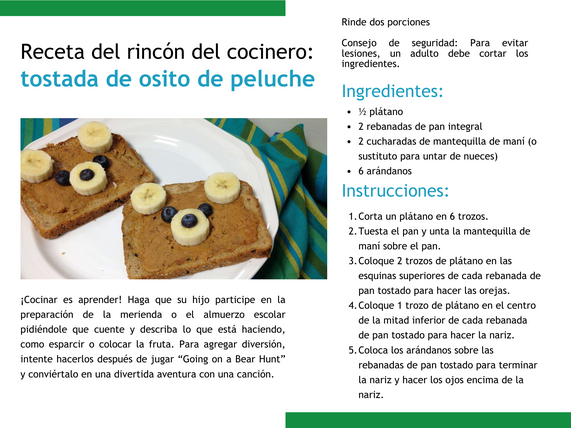
Receta del rincón del cocinero
|