|
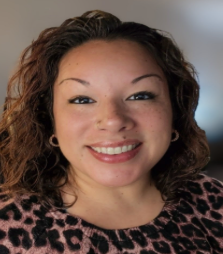
Sarah Taylor Sarah will be starting her internship this Monday, January 5th. She is an MSW student at DU. She brings over 12 years of dedicated experience in social services, child welfare, and case management to the Division of Criminal Justice. Sarah holds a Bachelor of Arts in Psychology from the University of Kansas. Most recently, she served as a Case Manager at Aurora Mental Health & Recovery and a Social Worker at NeuroRestorative. Prior to that, she spent nearly eight years with the Arapahoe County Government as a Social Caseworker. Sarah will be balancing this internship with her current dual employment as an Intake and Resource Specialist for Children, Youth and Families with the CDHS.
Aden Sisay Dangler Aden will be joining us on Wednesday, January 7th. Aden is a skillbridge intern and he joins us with a strong background in service and resilience. Aden is a member of the United States Air Force who completed a combat tour in Turkey and spent three years stationed in England, traveling to twelve different countries during his service. He is currently pursuing a degree in Criminal Justice at Grand Canyon University on a full-ride scholarship. Outside of his professional goals, Aden is an avid outdoorsman who enjoys fishing, hiking, and hunting, and he has a deep appreciation for Ethiopian cuisine.
Please join me in giving both Sarah and Aden a warm welcome to the team!
In 2023, the SOMB received updated guidance that any individual in the state of Colorado convicted or adjudicated for a sex offense must receive treatment that is compliant with the Adult or Juvenile Standards and Guidelines. Specifically, those individuals who were recommended to treatment, which was typically referred to as "Boundaries" and/or "Healthy Sexuality", should be referred to an SOMB Approved Provider, and treatment should comply with the SOMB Standards. When this guidance was shared with the field, significant concerns were raised. Recognizing the concerns, staff turned to the Board for further guidance.
After a discussion with the Board, and then multiple committee and work group meetings, it was determined that not enough information was available to inform revisions to the Standards. To gather more data and help the Board evaluate modification types for future standards revisions, it was proposed that a procedure be created allowing providers to request modifications without undergoing the full variance process.
In October 2025, the Colorado Sex Offender Management Board approved a new process to allow SOMB providers to request permission to modify the SOMB Standards for treatment. The goal of this new process is to allow providers the flexibility they need to meet the treatment needs of their clients.
All information collected through the new Treatment Modification process will be analyzed after 1 year and reported back to the Board. Recommendations for any changes in Standards, policies, or procedures will be made based on the data collected. It is the hope of the Board and staff that the data will help identify consistent barriers in the standards, if any.
For more information, you can view the Notice to the Field that went out recently. Included in the notice is a link to the Treatment Modifications Request Jotform and a Webinar explaining the treatment modifications process.
Over the last few years, the SOMB Standards have had several iterations of Standards, trying to guide providers and professionals on providing treatment to an individual who exercises their right to appeal. Professionals agree that the topic of appeals and post-conviction motions is one of the most complicated parts of the legal system, and following the outcome of a recent Court of Appeals case, treatment providers requested more guidance from the Board.
In the 2024 SOMB Legislative Report, there is a summary of People vs. Vigil (2023COA12), which discusses a person’s right to assert their Fifth Amendment privileges during the period in which they are eligible to file a Post Conviction Motion. Upon review of this information, the Best Practices committee raised questions on the differences between appeals and post-conviction motions, and provided additional guidance on how to handle these cases. They recommended that the existing appendix regarding Use Immunity within the Standards be expanded to include more information. Revisions to the introduction section of the appendix communicate that the purpose of the document is not to provide legal guidance or advice to anyone, and providers are encouraged to seek guidance from their own legal counsel if they have additional questions.
The revisions to Appendix S include definitions and the differences between appeals and post-conviction motions to help guide providers on potential time frames. These timeframes will help guide providers on whether they can keep a client in treatment and follow the standards as written in 3.162, or if an administrative discharge may be necessary. The Standards require a provider to verify if an appeal has been filed to modify the standards and allow the client to not discuss the crime of conviction, participate in clarification work specific to the offense, or discuss the offense of conviction during the Sex History disclosure process. The standards prohibit anyone being treated under these conditions from being successfully discharged or being assessed using 5.735, since they are not discussing the offense or addressing the alleged illegal or abusive sexual behaviors. Providers may file a variance if they feel a client could meet the criteria for successful discharge or their risk and or progress in 5.735 is appropriate.
A challenge providers may face is that time frames for filing a Post-Conviction Motion are longer, and a client still has the right to assert their Fifth Amendment privileges. This is directly addressed in People vs. Vigil. Since it could be several years before a client is willing or able to discuss the offense or address the illegal or abusive sexual behaviors, providers have to decide if the client would still be able to benefit from treatment. Guidance on this is not included in the appendix, and this decision is going to depend on each client and their specific situation. The Board’s guidance to providers is to assess each client’s willingness and ability to participate in treatment consistent with the Standards and guidelines. Providers are also instructed to discharge clients if they feel they will no longer progress or benefit from treatment per 3.200.
The appendix maintained the guidance around Use Immunity and information on Fifth Amendment Privileges as it existed before the revisions.
The 2025 Lifetime Supervision of Sex Offenders Annual Report is complete and is available in the Research Section of the SOMB website. The 2026 Annual Legislative Report is also complete and covers several areas, including the Year 6 review of the PDMS (Provider Data Management System). The report finds compelling evidence that Approved Providers are consistently following the Adult and Juvenile Standards and Guidelines by Approved Provider and continuing to use the RNR model with fidelity.
Key takeaways include:
-
Strong Treatment Success and Consistent RNR Implementation: The successful completion rate remains stable at 51% overall. The widespread use of responsivity strategies also suggests consistent implementation of the Standards and Guidelines.
-
Ongoing Responsivity Challenges: Client resistance, lack of motivation, and disengagement from treatment remain the most common reasons for unsuccessful discharge. Improving early treatment engagement—and strengthening motivational, cognitive-behavioral, and acceptance-of-responsibility interventions—continues to be a priority for improving outcomes.
-
Polygraph as an Accountability Tool: High rates of clinically significant disclosures support the value of polygraph exams for monitoring risk and informing supervision and treatment decisions. A higher disclosure rate among juveniles likely reflects the selective use of polygraphs in juvenile cases, where concerns are highest.
-
Recidivism Monitoring and Public Safety: New crime data show a stable non-sexual recidivism rate (12.3%) and a slight increase in sexual recidivism (from 4.1% to 5.0%). Ongoing review of individual, programmatic, and system factors will help guide improvements to standards and community safety strategies.
-
Data Quality and Provider Support: Reports of “data fatigue,” particularly among polygraph examiners, highlight the need to streamline PDMS processes. High-quality data remain essential to preserve the longitudinal value of this dataset and support meaningful evaluation over time.
The PDMS remains a key tool for ongoing system evaluation and improvement. Provider comment entries—documenting individualized treatment approaches, polygraph disclosures, and intervention strategies—provide the SOMB real-time insight into what is working well and where challenges remain. Year 6 findings will directly inform policy updates, as well as targeted training, technical assistance, and provider support. Overall, PDMS data continue to strengthen provider fidelity, support evidence-informed decision-making, and enhance public safety outcomes across the state.
Providers, thank you for continuing to enter required data and for supporting the success of this ongoing project. To learn more and review the full report, please visit the SOMB website.
Are you still wondering where SOMB revisions and policies come from? Join a workgroup or committee and be a part of the process in 2026. Please take a look at the Public Calendar and join a committee today. Training credit provided. Providers may count committee participation at 1 hour per meeting with a maximum of 6 hours, which can be applied to the required number of training hours.
SAVE THE DATE!!!!
Dr. Michael Seto Virtual Training Opportunity!
Title: Online Sexual Offending: What Do Practitioners, Probation Officers, and Other Professionals Need to Know About Etiology, Risk, And Interventions?
Description: This training will provide a practice-oriented overview of clinical and research knowledge about online sexual offending. This would include a description of different types of online sexual offending, with a focus on child sexual abuse material offending as the most common form of online sexual offending seen clinically and criminally; what we know about perpetrators, their motivations, and explanations for their crimes; key clinical and risk assessment questions; and best practices in terms of treatment and probation/parole supervision.
When: April 30th, 2026
Time: 9:00 AM - 1:00 PM Mountain Time
Virtual via Zoom
Registration coming soon!
Virtual Informed Supervision Training
Virtual Approved Supervision Training
SOMB 100: Introduction to Colorado Sex Offender Management Board
SOMB Training Center
Anticipating a Transformative 2026: A New Era of Training and Standards
The year 2026 promises to be a landmark period for SOMB training and implementation.
A major initiative on the horizon is the implementation of standards revision video recordings. This essential resource is expected to be released later in 2026 and will serve as an additional guide to the new requirements and best practices. The video updates will be strategically timed to accompany the monthly Buzz bulletin, ensuring maximum visibility and integration with ongoing communications. We encourage all providers to look out for this critical announcement and make time to review the updated training material thoroughly.
In other exciting news, we are pleased to announce the near-completion of the Juvenile Standards Recordings. The vast majority of this training content is now fully available and accessible within the Provider Hub. This dedicated resource is designed to support our partners working with juvenile populations, offering guidance and clarity on the Standards. We urge all relevant providers to utilize this valuable resource to ensure compliance and effective Standards practice.
Providers please be sure to keep the PDMS updated with your correct business and personal contact information, DORA licenses, any specialty you have in working with special populations, and continue to enter your data on discharged clients. For questions, please contact cdps_dcj_somb_support@state.co.us
|