|
CNRA webinar on California's preparation for Super El Niño

A supercharged El Niño developing in the Pacific Ocean and an ongoing marine heatwave may bring powerful storms, high surf, coastal flooding, power outages and other threats to California’s communities, infrastructure and ecosystems this winter. In the next California Natural Resource Agency (CNRA) Secretary Speaker Series webinar, CNRA Secretary Wade Crowfoot will join climate scientists and State leaders for a timely discussion about Super El Niño conditions that are already emerging, what California could face this winter, and how communities are preparing. Panelists will explain the science, share the latest projections, and outline actions underway to prepare for storms, flooding, and other extreme weather. The hour-long webinar, “Warming Ocean, Growing Risks: California Prepares for Super El Niño” will begin at noon, Thursday, October 8. Registration for this event is open now.
|
CWRI 4th annual conference in San Francisco, Oct. 27

The California Water Resilience Initiative (CWRI) will host the fourth annual California Water Resilience Forum in San Francisco on Tuesday, October 27. This year’s event brings experts and leaders together for conversations about artificial intelligence, new technologies and financing models, new State leadership in 2027, and the newly formed water basin collaborative for the Colorado River. Registration is open now for this one-day event that runs from 8 a.m. to 4:30 p.m.
|
Sustainable Conservation looks at the SJV Watershed Studies

A warming climate is reshaping the San Joaquin Valley’s water systems by reducing overall runoff, shifting snowmelt earlier, and increasing the intensity of winter storms. These changes raise flood risks in wet months and deepen dry‑season water shortages, increasing reliance on already stressed groundwater. Late last year, DWR released the San Joaquin Valley Flood-MAR Watershed Studies. This group of reports evaluated potential climate change impacts by 2050 on the five main tributary watersheds to the San Joaquin River (Calaveras, Stanislaus, Tuolumne, Merced, and Upper San Joaquin,) and how specific water management strategies like Flood-Managed Aquifer Recharge (Flood-MAR) may mitigate these impacts by capturing higher winter flows for recharge. A recent San Joaquin Valley Watershed blog series on the Sustainable Conservation website includes four discussions breaking down the DWR Watershed Studies in detail.
|
Multiple DRIP membership vacancies open; apply by Oct. 31
“On-Farm Recharge Methods Manual” offers recharge insight
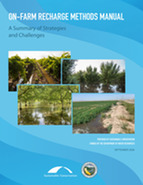
A new report funded by DWR and published last month by Sustainable Conservation gathers observations and lessons learned from over a decade of Sustainable Conservation working directly with growers and irrigation districts to implement on-farm recharge, including methods to enhance recharge, avoid crop health problems, manage recharge events, and minimize nutrient leaching. On-Farm Recharge Methods Manual: A Summary of Strategies and Challenges is a practical guide designed to help growers and technical advisors evaluate and implement agricultural groundwater recharge. Its purpose is to provide practical information about on-farm recharge for its intended audience: growers interested in on-farm recharge, as well as technical assistance providers such as resource conservation districts, crop advisors, and non-profit organizations.
|
Recharge Readiness webinar #4 set for Oct. 8
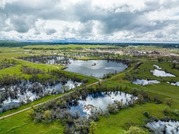
“Floodwaters for Recharge – 2027 Forecast and Guidance,” the fourth in a series of 11 webinars focusing on recharge readiness, will take place on Thursday, October 8, at 11 a.m. Registration is open now for this virtual event. Co-hosted by DWR, Sustainable Conservation, and the Flood-MAR Network, these hour-long webinars will be held twice monthly, on the second and fourth Thursdays at 11 a.m., through February. The week’s webinar will feature DWR State Climatologist Mike Anderson. He will discuss what current forecasts indicate about the wet season ahead. The webinar will also feature DWR State Floodplain Manager Mike Mierzwa, who will share guidance about how to prepare for flood conditions and document flood thresholds for advancing activities that reduce flood risk while increasing recharge. To see the list of topics to be covered in upcoming webinars, visit the “2026–2027 Recharge Readiness Webinar Series: Expanding Recharge and Preparing for Wet Weather” webpage. (Note: The headline for this story in last week’s eNews mistakenly listed the wrong date for this webinar. The correct date is Thursday, October 8.)
|
|
|
|
|
|