|
Rivers & Mountains Conservancy Newsletter - August 2026 |
|
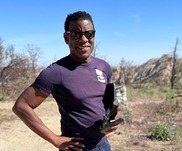
California is one of the most diverse places in the world, ranking first in cultural and linguistic diversity in the United States1. This sentiment is reflected in our state’s very climate. From Mediterranean, desert, steppe, cool interior, and highland regions, California is one of the most climatically diverse states in the entire US2. What makes this so special is how close together these different regions are.
Last month, I had the opportunity to travel through the US for a family road trip. As I logged miles, I saw mountains, plains, the coast, and experienced rain, fog, and, of course, heat. Seeing these varied landscapes unfold reminded me just how special our state is.
In California, we don’t have to travel far to experience these different climates. The RMC’s headquarters, located in the City of Azusa, is nestled in a canyon that puts you at the front door of the Angeles National Forest. We're just steps away from the mountains foothills where you can choose a 45-minute drive to Crystal Lake for the winter snows, go 45-minutes to the beach at Colorado Lagoon in Long Beach, or travel about an hour to the high desert of Apple Valley. All this while within Southern California’s unique Mediterranean climate, which is found on only 5% of the Earth’s surface3.
The RMC’s territory is particularly intersectional. From our uniqueness of having such diversified landscapes, the area is coupled with a densely populated, highly urbanized metropolis of nearly 20 million people4. Our communities face their own sets of challenges, including wildfire risk, flooding, tropical storms, drought, and more. Each of our projects requires customized, thoughtful stewardship because no two communities or landscapes are the same.
I am thankful for the opportunity to travel through the continental US mile by mile; it renews my appreciation for this land and my privilege of living in southern California.
|
|
|
RMC Board Meeting
Last month, the RMC Governing Board approved over $900,000 in grants across three projects to support wildfire resistance and education and transform two schoolyards within the RMC’s territory. The projects include:
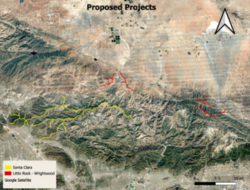
$324,921 to Alliance for Conservation, Restoration and Ecology (ACRE) for the Angeles National Forest (ANF) Forest Health and Wildfire Resilience Program. This project will provide environmental compliance, heritage surveying, NEPA documentation, and multi-disciplinary specialist services to advance forest health and wildfire resilience priorities across the Angeles National Forest. The project directly supports ANF’s Forest Wide Fuel Break Strategy and environmental compliance needs.
|
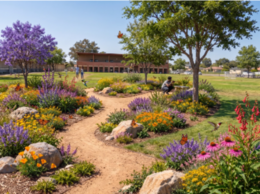
$450,000 to SLA for the Washington and Firebaugh Green Schoolyard Implementation Project. This project will transform two schoolyard gathering spaces in the city of Lynwood within half a mile of the Lower Los Angeles River and the 710/105 freeways interchange. Both schools’ campuses have barren places play areas, and the project will create shade tree canopies, pollinator gardens and water capture elements that mimic native ecologies to improve the school and educate students on the environment. Both project locations will be implemented after robust community engagement and collaboration with teachers to develop curriculums that serve as hands on outdoor classrooms and illustrate the effectiveness of these practices, providing measurable ecological and community benefits in a highly urbanized and underserved community.
|
$148,260 to Past Forward for The Fire Problem: Community Education + Engagement. Past Forward is an independent documentary podcast company based in the Greater Los Angeles area dedicated to producing narrative audio journalism and educational content grounded in primary-source research, expert testimony, and community storytelling. This grant supports Seasons Two and Three of The Fire Problem, a Webby Award-nominated documentary podcast series examining the systematic causes of and solutions to wildfire in California. Events will feature episode guests, interactive Q&A, bilingual resources, and connections to local preparedness programs. RMC partner organizations including CORE, the US Green Building Council, TreePeople, and the LA Prescribed Burn Association, will be featured as guests and co-presenters, extending the reach of RMC's existing investments to a broad public audience.
|
|
|
Puente Hills Fire Resiliency Project
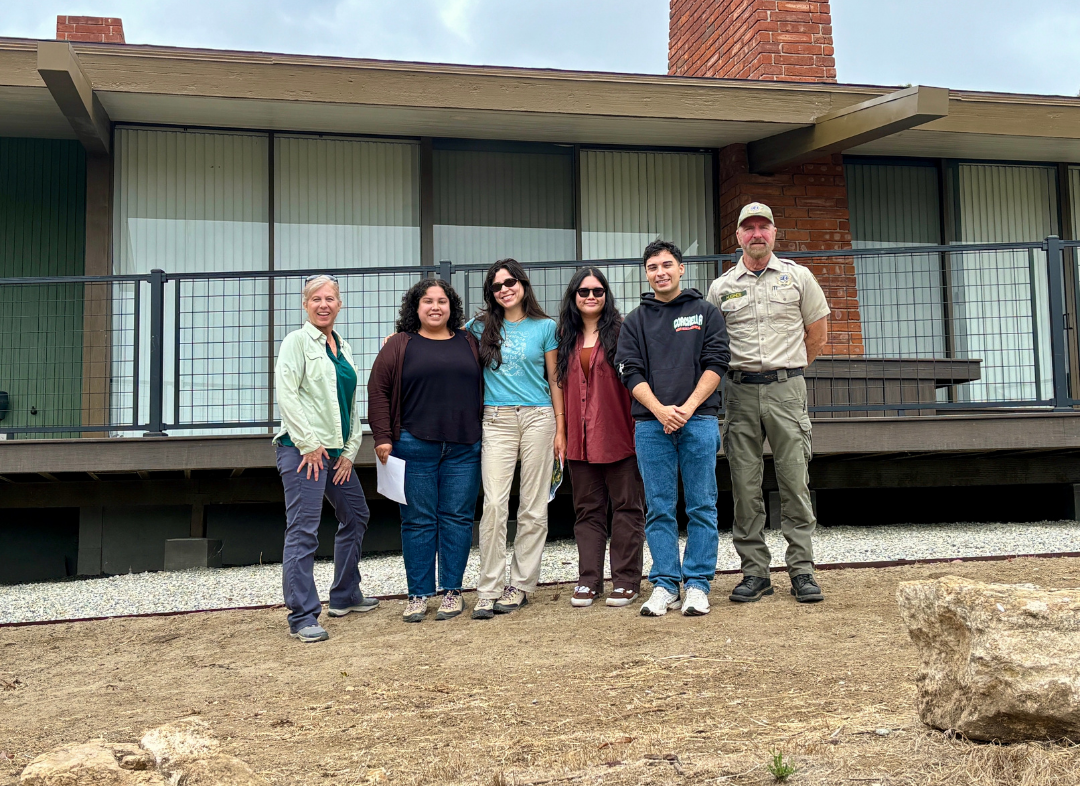
Last month, RMC staff joined Puente Hills Habitat Preservation Authority (PHHPA) staff for a site tour of several project locations associated with the Puente Hills Fire Resiliency Project. The tour provided an opportunity to observe completed and ongoing wildfire resiliency efforts throughout the Preserve, including habitat enhancement areas, vegetation and tree clearance sites, emergency access improvements, and equipment purchased to support wildfire prevention activities. The group also visited the agency facility to view recently completed home hardening improvements designed to reduce wildfire vulnerability and enhance facility resilience. In addition, RMC staff toured the Peppergrass Trail area, where fuels reduction and vegetation clearance activities are helping improve emergency access and reduce wildfire risk within the Preserve.
The visit provided valuable insight into PHHPA’s implementation efforts and highlighted the importance of these investments in protecting surrounding communities, natural resources, and public open space from wildfire threats.
|
|
Clean California Community Enhancement
|
|
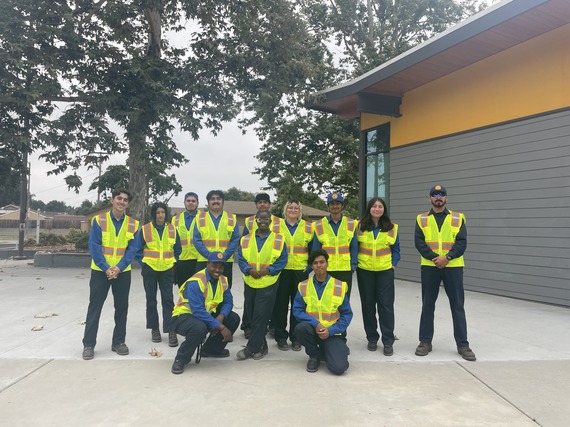
Recently, the WCA received three grants totaling $599,703 from Caltrans under their Clean California Community Enhancement Program (CCEP) Restricted Grant program. These grants will fund litter abatement, vegetation and encampment-area cleanup, and public-space beautification along three Caltrans District 7 corridors in the Lower Los Angeles River watershed. The corridors will include State Route 1 to the Lower L.A. River mouth, Interstate 105 to State Route 91, and East Slauson Avenue to the Rio Hondo confluence. The WCA has partnered with the nonprofit Conservation Corps of Long Beach (CCLB) to complete field work for the project through July 2027. The work is performed by CCLB corpsmembers who gain paid job training and field experience alongside the corridor improvements. CCLB has matched the Caltrans grants with $120,000 of in-kind services. |
|
LCWA Partner Spotlight: Elizabeth Lambe
Elizabeth Lambe has dedicated more than 30 years to protecting California's coast and wetlands. As Executive Director of the Los Cerritos Wetlands Land Trust, she has strengthened the organization's ability to safeguard the Los Cerritos Wetlands by building strategic partnerships with community organizations, elected officials, and environmental advocates. Under her leadership, the Land Trust has expanded its advocacy, public education, and grassroots organizing efforts to protect and preserve one of Southern California's most important remaining coastal wetlands.
Working alongside the Land Trust's Board of Directors and dedicated volunteers, Elizabeth develops and leads campaigns to oppose harmful development proposals while building the organizational capacity needed to advance long-term wetlands conservation goals and community engagement.
Prior to joining the Land Trust, Elizabeth served as an Associate Regional Representative for the Sierra Club. During her tenure, she founded and managed the Great Coastal Places campaign, a grassroots network of more than 5,000 activists. The campaign played a key role in protecting the Hearst Ranch on California's Central Coast, preserving Monterey's iconic pine forests from development, and defending San Onofre State Beach from the proposed Foothill South Toll Road.
|
|
|
|
|