|
Rivers & Mountains Conservancy Newsletter - June 2026 |
|
 |
|
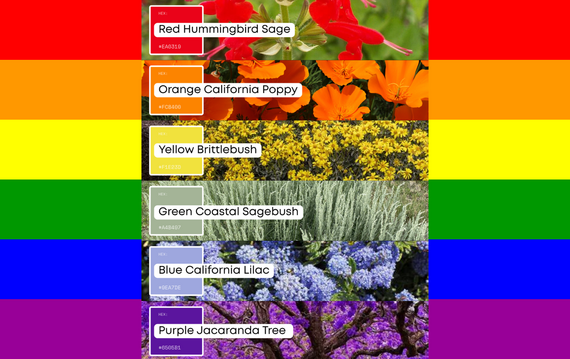
Happy Pride Month! When many of us picture nature, we often think of green forests, blue skies, brown trails and mountainsides, but nature has never existed in just a few colors. Instead, nature reflects a full spectrum of color:
|
❤️ Red Hummingbird Sage - Deep red to magenta blooms found in Southern California foothills and woodlands, attracting hummingbirds and pollinators. 🧡 Orange California Poppy - Southern California’s iconic state flower, bringing bright orange color to hillsides and open spaces each spring. 💛 Yellow Sunflower or Brittlebush - Bright yellow blooms symbolize warmth and light. Brittlebush especially is common in Southern California desert landscapes. 💚 Green Coastal Sagebrush - The soft green gray of coastal sage scrub defines much of Southern California’s natural landscape. 💙 Blue California Lilac (Ceanothus) - Native ceanothus creates striking blue blooms that brighten chaparral habitats. 💜 Purple Jacaranda Tree - Not native, but deeply woven into Southern California’s identity each late spring when streets turn purple beneath blooming jacarandas.
|
|
Nature reminds us that beauty is not created by a single color alone. Healthy ecosystems thrive because of diversity. Every shade contributes something important to the larger landscape.
People, too, bring diverse experiences, identities, and perspectives to the outdoors. Some seek quiet walks on a trail. Others gather with friends and family in parks or find adventure exploring open spaces. There is no single “right” way to experience nature.
Our parks, trails, and public lands become stronger when everyone feels welcome within them. These shared spaces belong to all of us. They are places where communities grow, and memories are made. Diversity is not separate from beauty; it creates it. By embracing the many perspectives and experiences that shape our communities, we help build parks, trails, and open spaces where everyone belongs. We are a rainbow; we are the rainbow.
|
|
May Board Meeting - $12 million Awarded
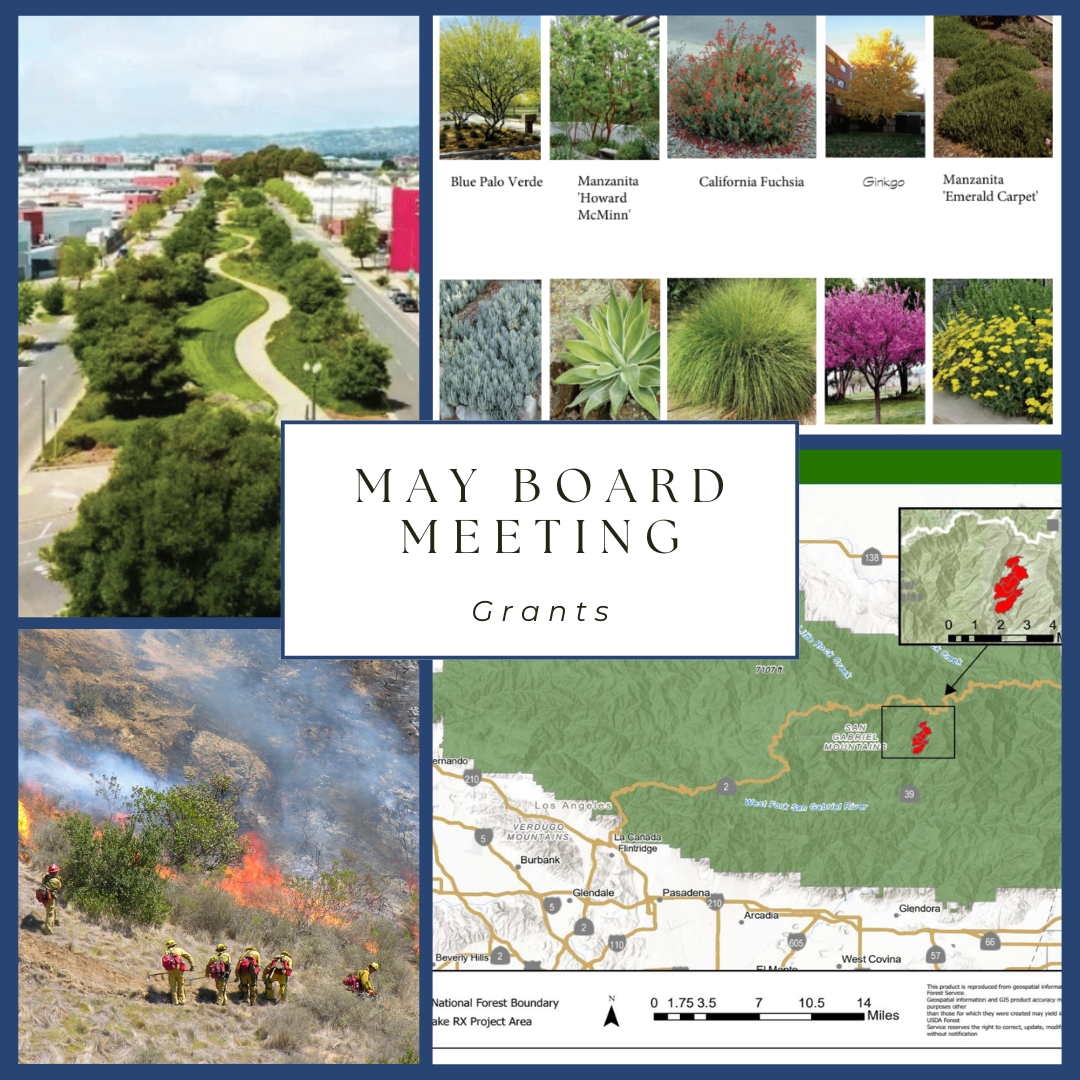
Last month, the RMC Governing Board awarded over $12 million across four projects. These projects will increase wildfire resilience in some of the highest need areas within the RMC’s territory ahead of wildfire season, provide safe-healthy passage, and increase biodiversity across South Bay Cities. The projects include:
$3,520,000 to the National Forest Foundation for San Gabriel Mountains Wildfire Resilience Project which will implement hazardous fuel reduction on priority sites across the San Gabriel Mountains National Monument. $5,000,000 to the City of Los Angeles Bureau of Street Services for the Broadway Sur Environmental Equity project which will transform a roadway that has experienced 203 collisions and 13 deaths in the past six years into green space making for safer, healthier passageway. $1,600,000 to the South Bay Council of Governments for the South Bay Biodiversity Plan and Demonstration project which will deliver actionable biodiversity recommendations for local governments and educate residents, while advancing co-benefits such as water conservation, stormwater capture, heat mitigation, and habitat restoration. $2,238,000 to the Catalina Island Conservancy for Pre-Fire Intervention and Nature-Based Solutions Project to reduce wildfire risk and create buffer zones on Catalina Island.
A Look Back:
Monrovia Hillside Wilderness Preserve
Source: Hillside Wilderness Preserve | City of Monrovia
In 2003, the RMC awarded $810,000 to the City of Monrovia for the Monrovia Hillside Wilderness Preserve Project. The project acquired 27 acres of strategically located land, completing the City’s wilderness preserve and strengthening long-term stewardship of the hillside landscape.
Along with the land acquisition, the City implemented a variety of trail and site improvements that contributed to wildfire prevention and public safety. These efforts included vegetation management and weed abatement to reduce combustible fuels, brush clearing and other fuel-management practices to help limit fire spread, and signage to increase public awareness of wildfire risks and responsible recreation. While these measures were not described as “wildfire resilience” at the time, they reflect many of the same strategies used today to reduce wildfire risk and protect communities. Looking back, it is clear that this work laid an important foundation for wildfire resilience long before the term became widely used.
|
|
Lower LA River
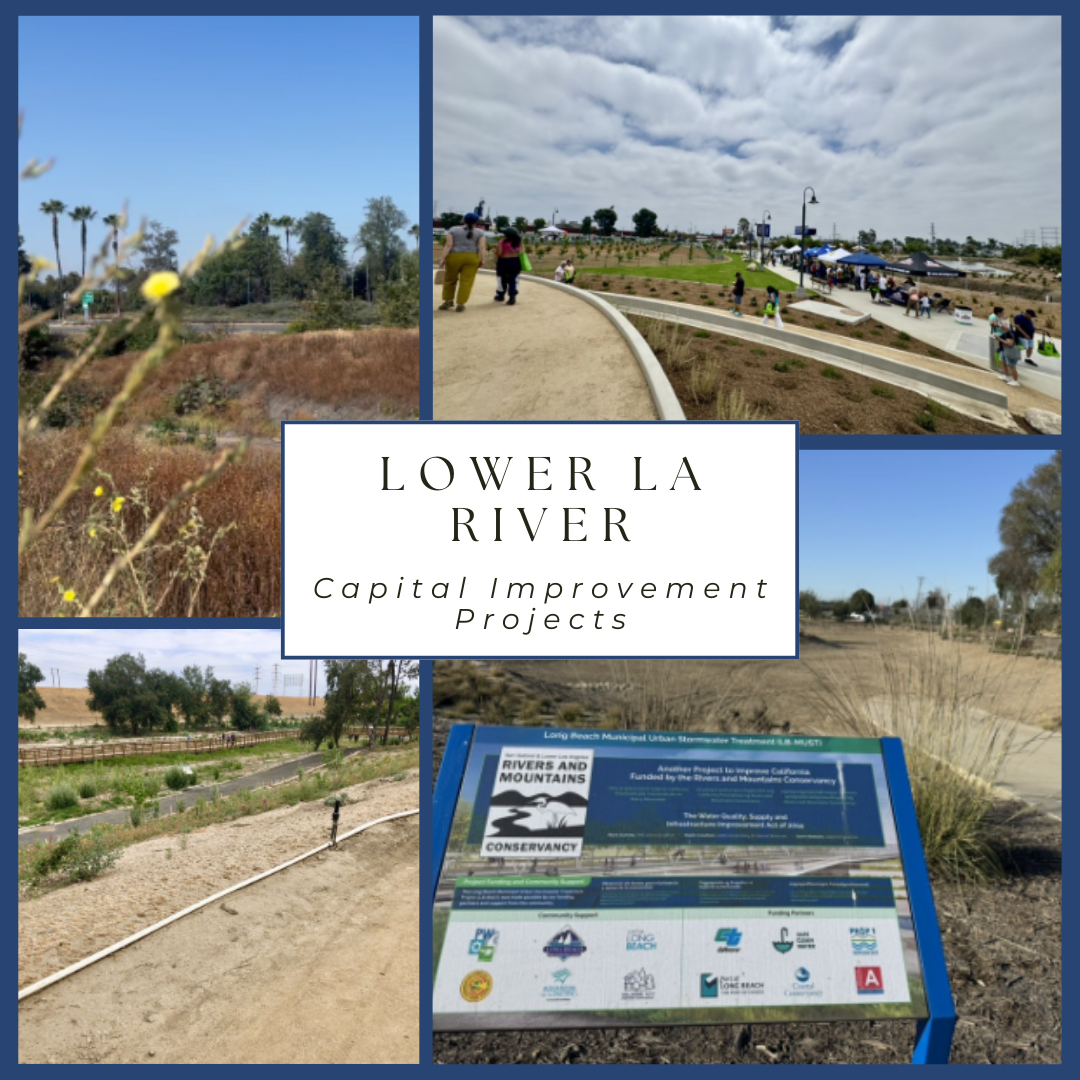 Throughout the years, the WCA has played an active role in advancing capital projects along the Lower Los Angeles River, often in partnership with the RMC and local agencies. These investments span the river’s upper, middle, and lower reaches. The WCA and RMC are partners in taking on the challenges of creating greater access, heightening habitat value, and making public safety improvements along the corridor. We continue to engage with the community for capital improvements, programming, and cleanup efforts.
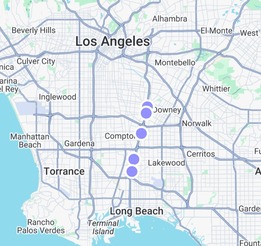
A representative sample of existing spaces along the river include Parque Dos Rios, Riverside Park, Urban Orchard, Ralph C. Dill Park, Deforest Wetlands, Dominquez Gap Wetlands, and the LA Must Wetlands.
 |
|
There are many more project adjacent sites along the rivers banks that have been developed in partnership with the County of Los Angeles, and 14 jurisdictions that line the river from the City of Vernon down to the Long Beach Ports. While long-term revitalization efforts continue under the framework of the 2018 Lower Los Angeles River Revitalization Plan and the broader Los Angeles River Master Plan, these projects are a glimpse of what is available today and what is still to come. |
|
|
Southern Area Restoration Project Updates
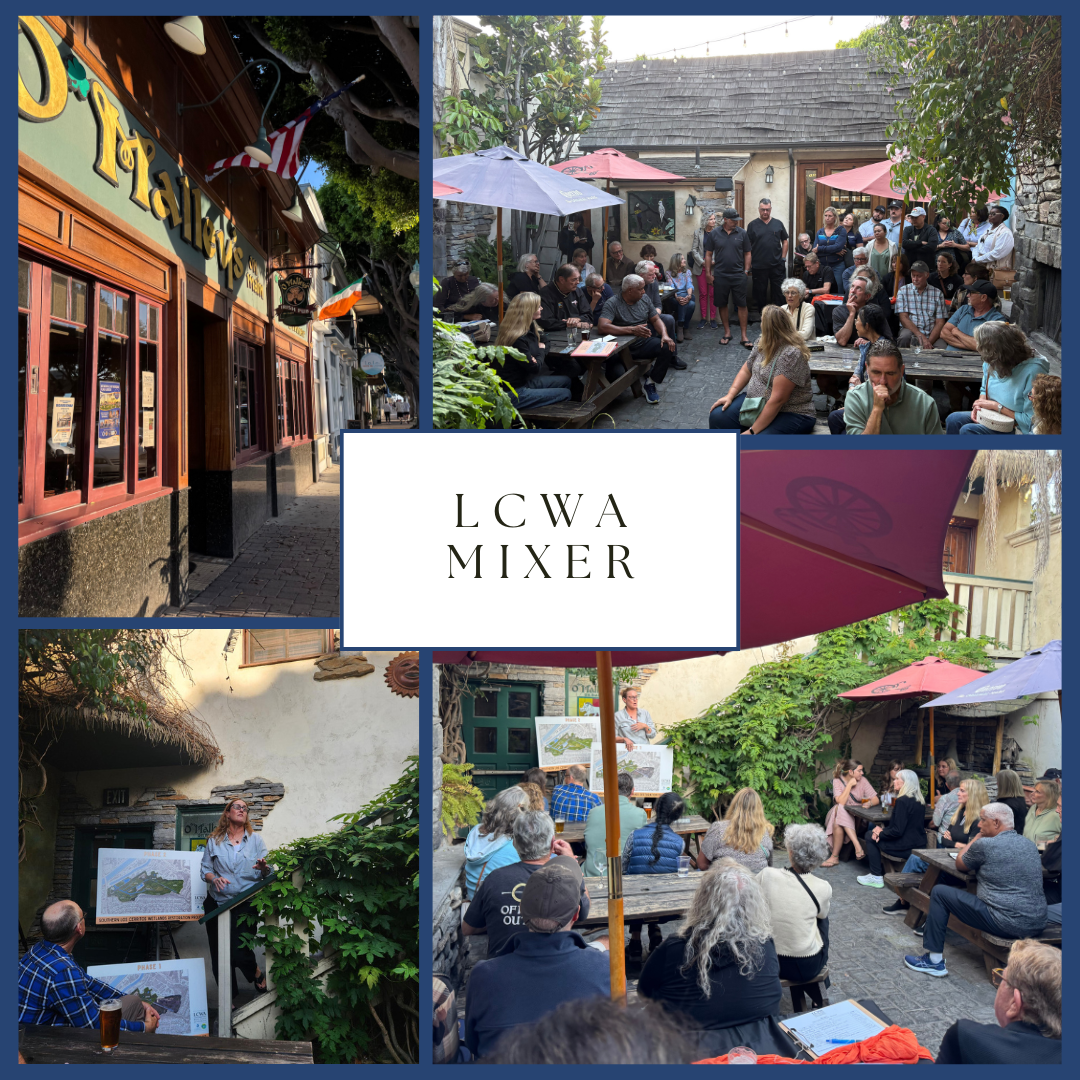
It was a standing room only crowd for the LCWA’s Southern Area Restoration Project mixer held on May 13th, with over 60 community members in attendance. The project’s public engagement coordinator presented details on the restoration and answered over 34 questions from our curious guests. Project neighbors engaged in a free-flowing dialogue about the wetlands and the restoration’s positive impacts to the region. Thank you to O’Malleys on Main in Seal Beach for hosting us and providing delicious refreshments for attendees. In case you missed it, the LCWA will host a follow up mixer in the fall as another opportunity to share project updates with the public and for the community to celebrate the long-awaited restoration of over 100 acres of valuable southern California wetland habitat. Stay tuned to this newsletter for a date and location to be announced.
|
|
|
|
|