|
 Rivers & Mountains Conservancy Newsletter - May 2026
|
|
 |
|
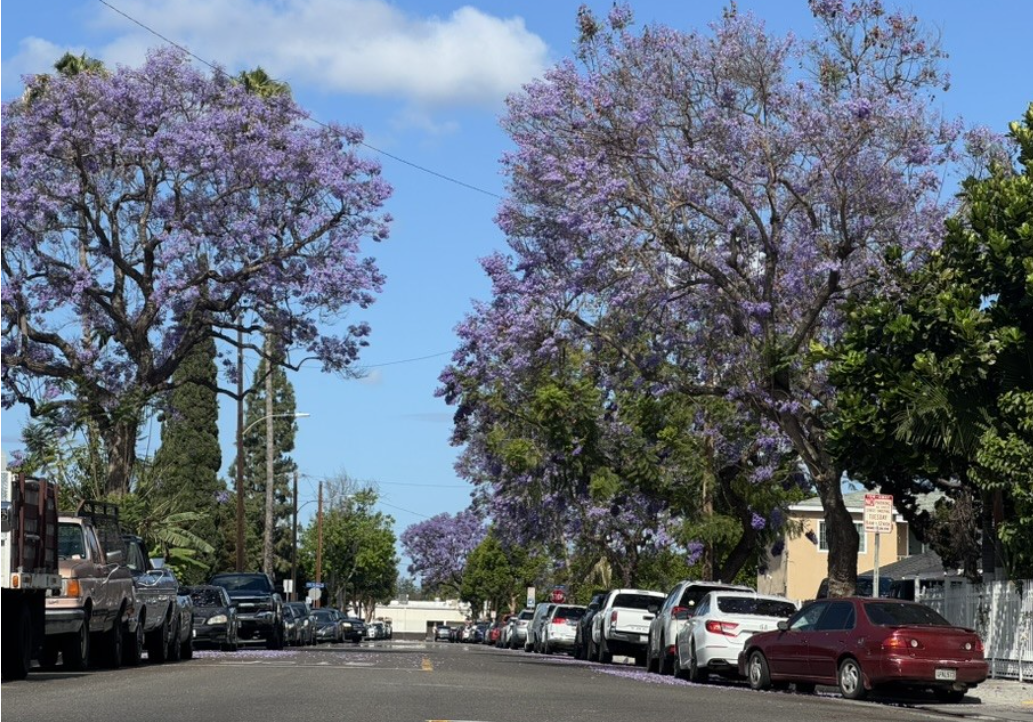
This weekend, I moved from talking to doing. It was likely triggered by taking in the beauty of the jacaranda trees throughout my neighborhood, along with the slower pace and extra days of recovery after surgery. My plans for spring, summer, and fall are in motion.
|
Construction for some long-planned projects is on the way and acquisitions are in progress. By year’s end, there will be a significant expansion of open space benefits throughout our funding area. It won’t be all work; there will be days filled with travel, loved ones, and simply enjoying spring daylight.
It's also fitting that May is Asian American and Pacific Islander (AAPI) Heritage Month, a time to celebrate the vibrant cultural connections AAPI communities have with the natural world.
Across generations, many AAPI traditions have emphasized the importance of harmony with nature. In parks and public spaces, these traditions come to life where people gather for outdoor Tai Chi, meditation, or simply to enjoy the peace that comes from being surrounded by nature. This spring, as we take advantage of the longer days and pleasant weather, we’re reminded of the joy that nature brings to all of us, and how it fosters a deeper sense of community and balance.
At the same time, each of us brings our own story, background, and perspective to the way we experience the outdoors. For some, nature is a place for quiet reflection; for others, it’s a space for gathering, celebration, or adventure. These differences enrich our shared landscapes, reminding us that there is no single “right” way to connect with the natural world.
Even with the various ways we take in nature's beauty and giving force, there are threads that connect us all. Stepping out for some fresh air, taking a walk, or taking a picture of a beautiful sunset. These are universal experiences. This reminds us that, despite our differences, we share a common need for connection: to nature, to community, and to one another. By embracing diverse perspectives while remembering the common threads that connect us, we can build a more inclusive and resilient future for our parks and wildlands.
I conclude with Happy Mother's Day! Not having my earthly mom for some time now, this day holds special meaning for me.
|
|
4140 Gibson Road, El Monte, CA
In 2003, a group of Shirper Elementary School fifth graders wrote to elected officials asking for a park. Nearly a decade later, their vision became a reality, and Gibson Mariposa Park officially opened. * Gibson Mariposa Park is a 4.3-acre park designed with extensive community input, reflecting the voices and ideas of local residents. This collaborative effort helped ensure the park would serve as a meaningful and lasting space for the community.
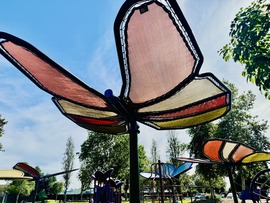
In 2011, the RMC awarded $2,195,088 to the City of El Monte for Gibson Mariposa Park. The city worked with nonprofit partner, Amigos de los Rios, to develop a park based on a Mariposa butterfly theme. Many of the native plants and trees planted at the park are butterfly pollinators which allow for natural maintenance while attracting butterflies. The result is a vibrant, living landscape that supports local ecosystems.
The park includes walking trails, an educational kiosk, an outdoor classroom and interpretive area, picnic areas, and a number of sustainable features that contribute to the watershed’s health. These measures have targeted an 80% reduction in water use over conventional park designs. Together, these elements highlight the park’s role as a model for environmentally conscious design.
|
|
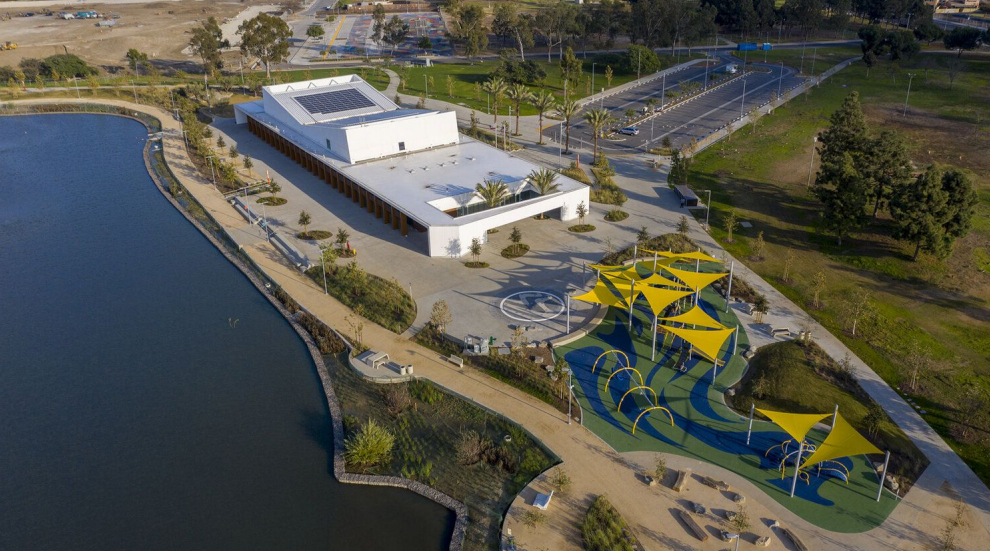 Magic Johnson Park - 905 E El Segundo Blvd, Los Angeles, CA 90059
In 2025, Los Angeles County Parks and Recreation released its Countywide Parks Needs Assessment (PNA+) Plan. The RMC awarded the County $500,000 to support the PNA+ project, which produced a toolkit to identify priority areas and advance park equity across the region. The toolkit draws on data and case studies of successful projects, including Earvin “Magic” Johnson Park. In 2018, the RMC awarded the County $3 million to help transform the once-dilapidated park into a vibrant community hub. These funds were used to reconfigure the park’s South Lake with new water conservation features. Successful projects like Magic Johnson Park demonstrate that multi-benefit investments are both achievable and essential to addressing inequities.
Since the release of the PNA+ Plan, the RMC has funded several priority projects identified through the assessment, including Urban Orchard, Compton Creek, the Emerald Necklace, Hollenbeck Park, and additional projects along the Los Angeles River. The RMC’s Joint Powers Authority partner, the WCA, has also contributed to improvements in these priority areas. In partnership with the U.S. Forest Service, the WCA has implemented enhancements at East Fork, a 17-mile upstream tributary of the San Gabriel River. East Fork was identified as a priority area due to its high levels of recreational use and heavy foot traffic.
|
|
Forest Service Partnership
|
|
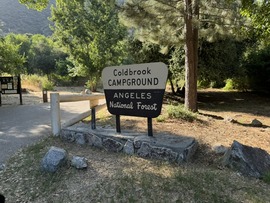 Coldbrook
|
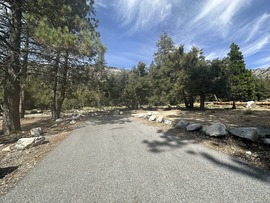 Crystal Lake
|
|
The Watershed Conservation Authority, in partnership with the U.S. Forest Service and the Angeles National Forest, continues to advance campground improvements at Crystal Lake and Coldbrook within the San Gabriel Mountains National Monument. The project is being funded through the Great American Outdoors Act, focuses on restoring essential visitor amenities and improving the recreation experience at two of the forest's most popular campgrounds. Recent milestones include authorization of the Conservation Corps of Long Beach to begin assembly and installation of picnic tables and fire rings at both sites, with work expected to begin in May 2026. The project also includes installation of 70 ADA-compliant food storage lockers and development of new interpretive signage at the Crystal Lake fee station, with Amigos de Los Rios contributing to the panel design and fabrication. |
|
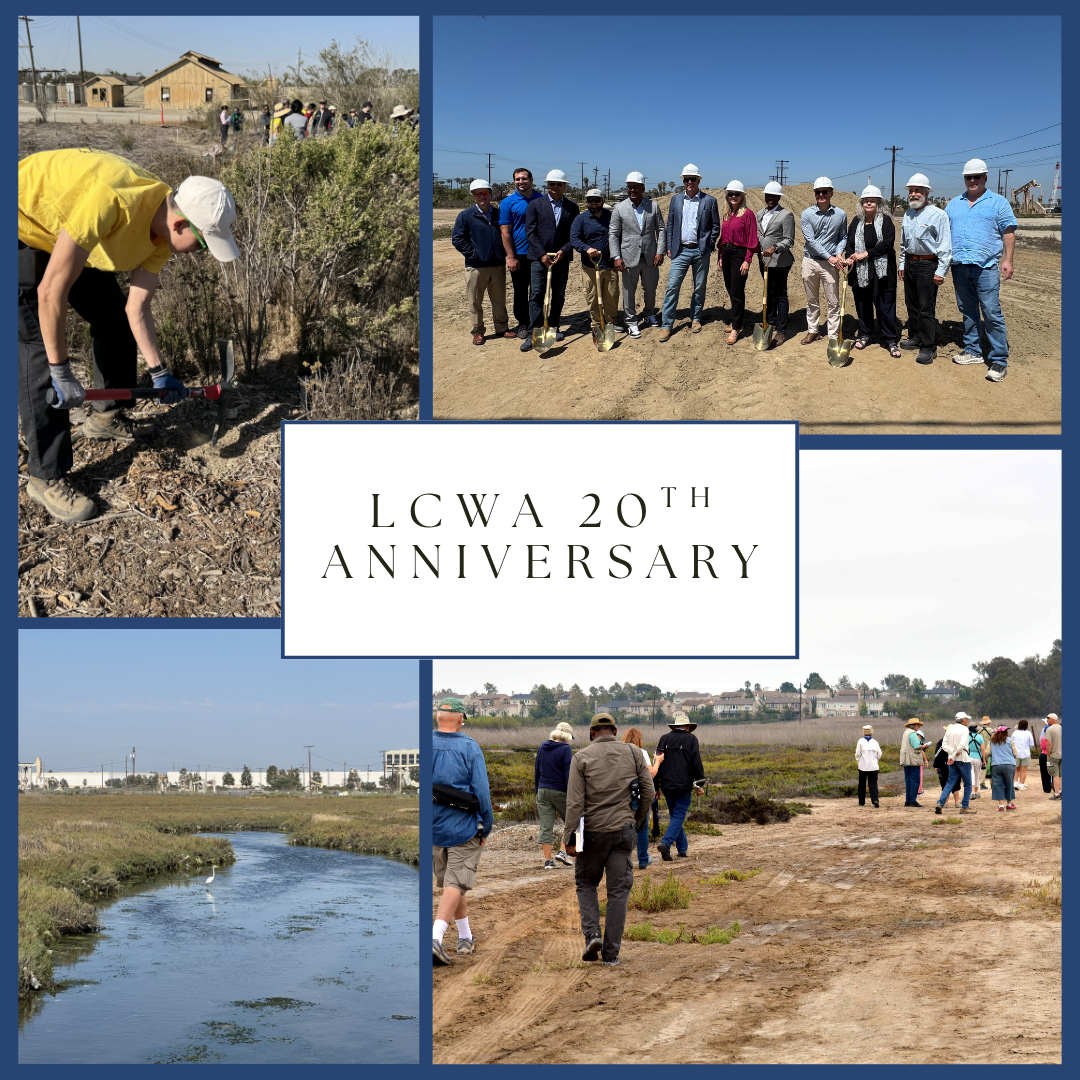
LCWA 20th Anniversary
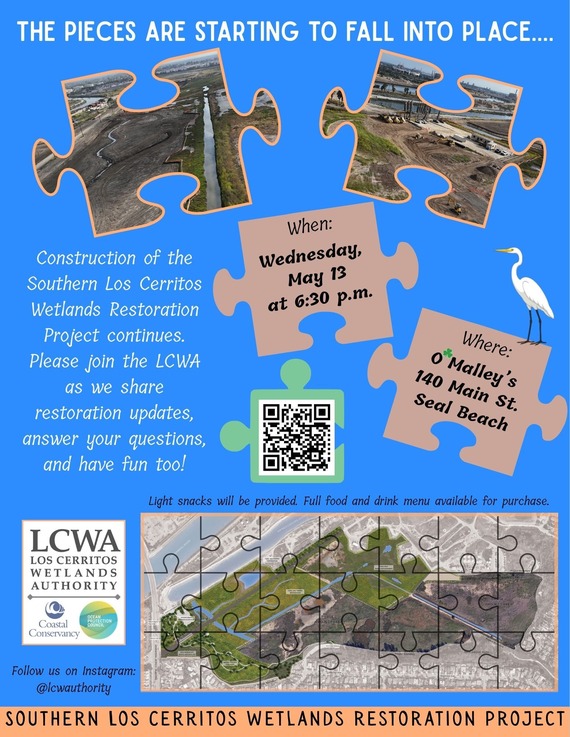
This year marks the 20th anniversary of the Los Cerritos Wetlands Authority (LCWA). Formed in 2006 as a joint powers authority between the State Coastal Conservancy (SCC), the Rivers and Mountains Conservancy (RMC), and the Cities of Long Beach and Seal Beach, the LCWA was created to transform 500 acres back to pristine wetlands.
The Authority’s first major accomplishments came in 2006 with the acquisition of the Bryant Property, approximately 68 acres along the San Gabriel River, now known as Zedler Marsh and the Central Area. At the same time, the LCWA took on a time-sensitive acquisition tied to a legal settlement; the 5-acre Southern California Edison Offer to Dedicate (OTD) parcel. In late 2010, another milestone in the LCWA’s history came with the acquisition of the 100-acre Hellman Property, now known as the Southern Los Cerritos Wetlands.
In 2024, the LCWA finalized a land swap with Synergy Oil and Gas, the largest acquisition in the authority’s history. The LCWA agreed to exchange the 5-acre Edison OTD parcel for over 150 acres of wetlands comprised of Steamshovel Slough and the Synergy Oil Field. The innovative public/private partnership strategy required extensive negotiation and regulatory approvals but ultimately created a pathway to restore wetlands at a scale that would not otherwise have been feasible.
Today, the LCWA stands as a model of interagency cooperation. Staffed by the JPA partners, it combines expertise of its member agencies and a network of consultants and stakeholders to implement its mission. The LCWA’s success has been built on persistence, adaptability, and partnership.
|
|
Announcements
|
|
|
|
|