|
Rivers & Mountains Conservancy Newsletter - February 2026 |
|
 |
|
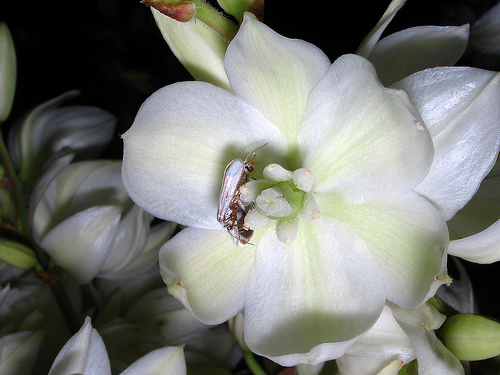
February is the month of celebrating lasting relationships. In the plant world, few are as devoted as yucca plant and the yucca moth. These two aren’t just compatible; they’re soulmates! As the USDA states, “they are so interdependent that one cannot live without the other.”
|
When yucca plants bloom, the moth shows up with purpose. She pollinates the flower, then lays her eggs so her larvae can feed on a portion of the developing seeds. In return, the yucca gets the pollination it needs to reproduce. The relationship between yucca and the yucca moth is so intertwined and resilient that the moth’s pupae sometimes remain dormant for years if the weather conditions aren’t right – a type of symbiotic relationship that is irreplaceable.
What makes this love story so sweet is its specificity. Different species of yucca have only one type of moth from the Tegeticula or Parategeticula groups which can pollinate them. These relationships evolved together over thousands of years, forming precise, irreplaceable connections. Break the chain - by losing native yucca - and the moth loses its future too.
Love like this can be seen throughout the natural world. For example, plants and pollinators depend on one another in equally meaningful ways. Flowers and their pollinators - bees, butterflies, birds, bats, and even beetles - are drawn together by color, scent, and nectar. Pollinators receive food, while flowers rely on them to carry pollen from bloom to bloom, allowing the plants to reproduce and persist. Over generations, flowers and pollinators have formed partnerships shaped by timing and reciprocity.
The natural world carries relationships that can’t be swapped out or replaced. When we choose to conserve native species, we’re not just saving plants. We’re safeguarding entire partnerships that keep ecosystems alive. This February, let yucca and its moth, and the countless flowers and pollinators around us, remind us: some bonds are worth protecting.
February invites us to reflect on connection between species, people, and the land we share, and it is also the month we honor black history. To celebrate, join us on Valentine’s Day for our Black History Month hike, where we’ll explore these themes together on the trail and, if we’re lucky, spot some of the very partnerships described above thriving in nature.
When: Saturday, February 14, 2026, 8:45 AM-11:00 AM.
Where: Big Dalton Canyon Trail, Glendora, CA 91741
|
|
LA County Park Annual Funding Summit
$5.5 Million in Wildfire Resiliency Grants
Last month, the RMC Governing Board approved $5.5 million towards wildfire resiliency grants. The grants included:
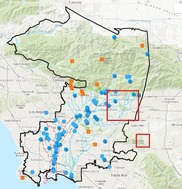
$400,000 to the Hermandad Mexicana Nacional for Hermandad Mexicana Nacional Wildfire Resilience project. This project will provide bilingual workshops, deliver defensible space demonstrations, and conduct targeted outreach to disadvantaged, immigrant, and multilingual households who traditionally lack access to wildfire preparedness information. The initiative also includes 20 acres of hazardous fuel reduction for community protection.
|
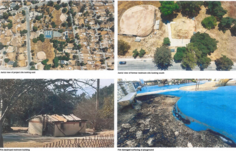
$3 million to the Los Angeles County Parks Foundation for the Farnsworth Park Fire Recovery project. Farnsworth Park is located in Altadena, CA, and 14.74 acres of the park were damaged by the 2025 Eaton Fire. Previously serving more than 4,500 residents within a one-mile radius, Farnsworth Park has historically functioned as a central gathering place that supports community cohesion, health, and recovery. This project will transform a landscape of loss into a resilient, climate-adaptive public space. Upon completion, Farnsworth Park will once again function as a vital community anchor for Altadena, providing safe gathering space, recreational opportunities, and a visible symbol of recovery. This project transforms scarred land into a replicable model for climate-resilient green spaces, supporting long-term community resilience.
|
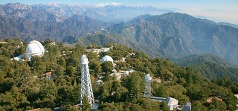
$2.1 million to the Mount Wilson Institute for Wildfire Mitigation. This project will take place at the Mount Wilson Observatory, a historic site home to telescopes that have shaped the course of modern astronomy. Through a multi-year program of wildfire mitigation and landscape restoration, the project will safeguard both the observatory and the surrounding forest. The project will reduce hazardous fuels, promote recovery of native fire-resistant vegetation, and reinforce water and infrastructure systems that support firefighting throughout the San Gabriel Mountains.
|
|
|
Welcome Our Newest Associate Governmental Program Analyst!
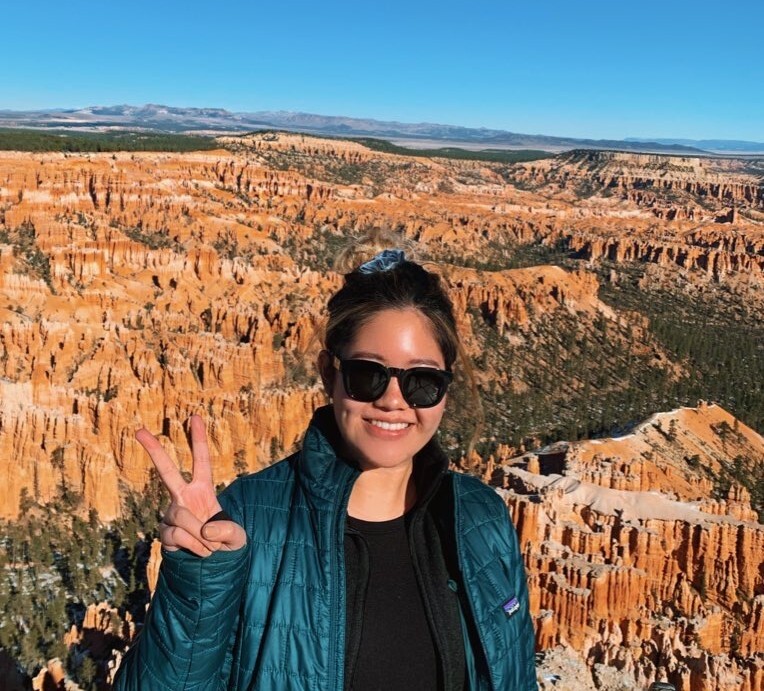
We’re excited to welcome Yana Zamora, our newest Associate Governmental Program Analyst!
Yana is an environmental justice and climate resilience practitioner dedicated to expanding equitable access to public lands and green space. With a background in advocacy, environmental policy from UCLA, and federal programs at the US Congress and National Park Service, she centers community voice in shaping place-based solutions. Drawing on her deep roots in Los Angeles, she describes joining RMC as a "homecoming and an opportunity to serve the communities that shaped" her.
Welcome to the team, Yana!
|
|
San Gabriel River Center Development Project
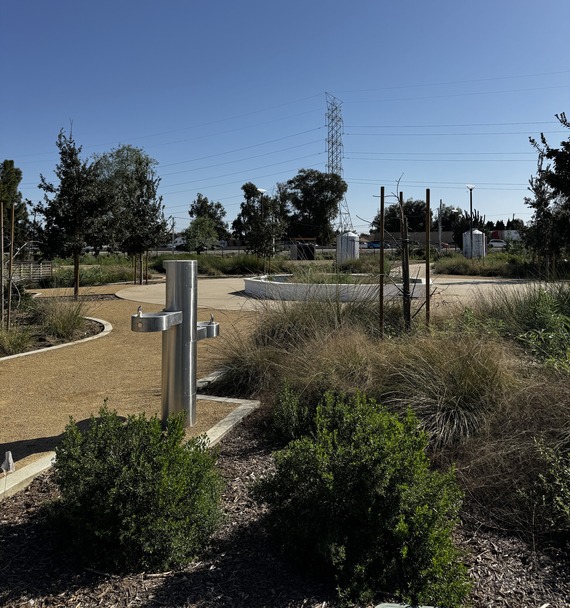
The WCA is continuing work on the San Gabriel River Center Development Project, a long-term effort to create a public education and gathering space focused on water conservation, stewardship, and access along the San Gabriel River. The project is intended to serve as a place where visitors can learn about local water resources while enjoying the surrounding river park and landscape.
Phase 1 of the project has been completed and focused on establishing the outdoor foundation of the site. This work included construction of water conservation demonstration gardens, stormwater and greywater features, walking paths, lighting, fencing, and planting areas designed to show practical, water-wise landscaping strategies that can be applied at home. These improvements are now in place and being maintained as the project moves into its next phase. Demolition of the farmhouse has been completed, clearing the site for a replacement facility that better meets the needs of the project and the community.
The next phase will focus on the construction of a new modular visitor center designed to work seamlessly with the completed gardens and outdoor spaces. The concept design envisions a modest, single-story building with strong indoor–outdoor connections. Planned features include public restrooms, flexible exhibit and gallery space, staff and utility areas, and a shaded outdoor area for classes, small gatherings, and educational programming. The design emphasizes natural light, shaded seating, efficient water use, and integration with the surrounding landscape.
|
|
Aquarium of the Pacific Sea Turtle Monitoring
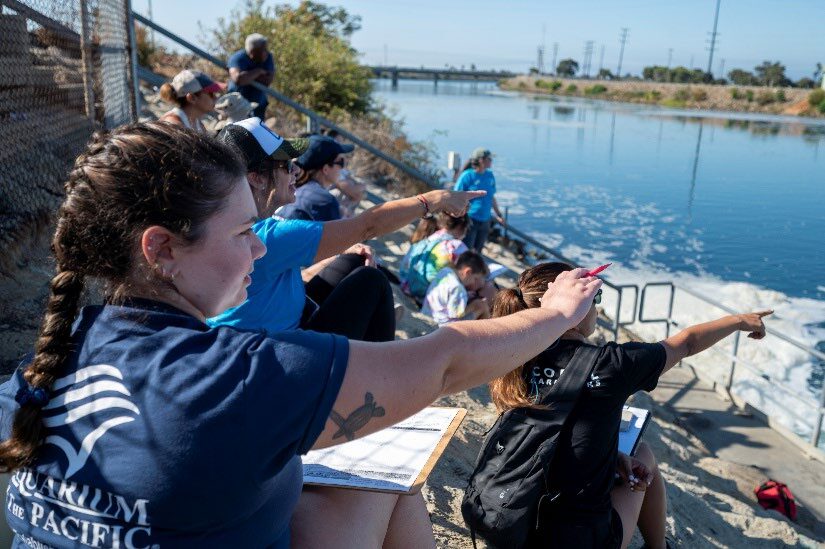
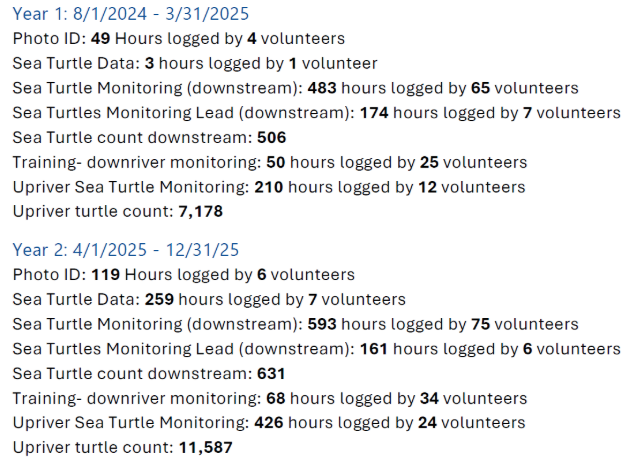
In 2024, the LCWA awarded the Aquarium of the Pacific $25,000 for its SoCal Sea Turtle Monitoring Program. From August 2024 through December 2025, trained volunteers dedicated over 2,500 hours and documented 19,000 sea turtle observations near the San Gabriel River. The purpose of these observations was to support conservation efforts by removing debris and reporting illegal gillnet usage, providing medical care to injured turtles, and contributing to research through citizen science data collection.
|
|
Announcements
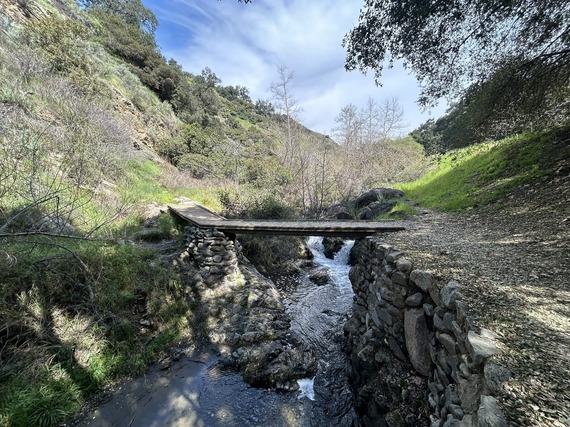 Black Connections to Nature Community Hike
Organizer: Rivers and Mountains Conservancy
Date: Saturday, February 14
Time: 9:00am
Location: Big Dalton Canyon Trail, Glendora, CA 91741
Description: Join the Rivers and Mountains Conservancy, community partners, and guests for a 3-mile hike celebrating Black connections and leadership in nature! We'll gather at Big Dalton Canyon trailhead in Glendora starting at 8:45am before setting out at 9:00. Roadside parking is available but limited, so we encourage carpooling or ride sharing options where possible.
Upcoming Meetings
RMC Board Meeting: March 16, 2026
WCA Board Meeting: March 19, 2026
LCWA Board Meeting: May 14, 2026
|
|
|
|
|