|
Two new DWR reports on groundwater sustainability progress
Last week, DWR released two new reports — the Semi-Annual Groundwater Conditions Update and a draft of California's Groundwater Update 2025 (also known as Bulletin 118) — demonstrating measurable progress toward groundwater sustainability under the Sustainable Groundwater Management Act. The reports highlight progress made by local groundwater sustainability agencies (GSAs) in implementing tailored solutions to manage groundwater and creating flexible strategies to cope with a changing climate. Both reports and the California's Groundwater Live platform combine historical data with near real-time insights to help GSAs monitor conditions and adjust their sustainability plans. A 45-day public comment period is now open on the draft California Groundwater Update 2025 report. DWR will present a 90-minute virtual overview of this report on Tuesday, Nov. 4, starting at noon. Registration is required. For more information about these reports, see DWR’s recent press release.
|
Fall 2025 GSA Forum, Wednesday, Nov. 19
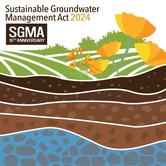
The Fall 2025 Groundwater Sustainability Agency (GSA) Forum, hosted by DWR, will take place on Wednesday, Nov. 19. “SGMA After 10 Years – How to Keep the Momentum Going” will be a virtual event on Zoom, staring at 9 a.m. and running until 12:30 p.m. Registration is required. This GSA Forum will feature interviews with GSA representatives, highlighting approaches they have taken to navigate SGMA implementation challenges. DWR will also host a Q&A session about periodic evaluations and an informational session on current and planned tools, resources, and opportunities to aid GSAs during implementation. See the agenda for details. Visit DWR’s Sustainable Groundwater Management Program webpage to learn more about the program.
|
Three important key actions to prepare for flooding
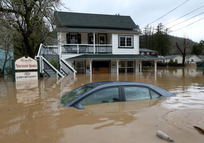
As the winter season approaches, it is important to understand the risk posed by flooding and how to respond during an emergency. This is especially true of communities that live downstream of burn scars from recent fires, which can dramatically increase the risk of mud and landslides several years after a fire. California is facing new challenges this flood season with federal reductions in services at partner agencies that provide critical forecasts, such as the California Nevada River Forecasting Center and the National Weather Service. More than seven-million California residents are at risk of flooding, and many don’t realize it. In the past 20 years, every California county has received a flood-related emergency declaration. To prepare for flooding, all Californians should follow three basic steps: (1) Be aware of your risk. Know whether your home is downslope of a burn area or in a floodplain; pay attention to weather forecasts; listen to local authorities. (2) Be prepared. Always have an emergency evacuation kit ready; be prepared to evacuate early; have a plan for where you will go in an emergency and what to do with your pets. (3) Take action. Subscribe to your local emergency providers to get updated information. Visit the National Weather Service website to get updated weather information for your community. If local authorities issue an evacuation order, do not delay, follow local guidelines for evacuation, and never attempt to drive through a flooded roadway. For information on how to prepare your household for flood emergencies, visit the Ready website. For more information on finding your flood risk, visit the My Hazards webpage of the Governor’s Office of Emergency Services website. For information on obtaining flood insurance, visit the National Flood Insurance Program website.
|
New report examines red tape related to research funding
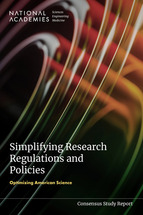
A new report from the National Academies of Sciences, Engineering, and Medicine (National Academies) examines current federal research regulations. Simplifying Research Regulations and Policies: Optimizing American Science estimates that the typical U.S. academic researcher spends more than 40% of their federally funded research time on administrative and regulatory matters, wasting intellectual capacity and taxpayer dollars. The 145-page report provides a roadmap for establishing a more agile and resource-effective regulatory framework for federally funded research. The study presents 53 approaches for policymakers to consider to improve regulations and ease administrative burdens on researchers, which is critical for maintaining U.S. global leadership in science and technology. The press release from the National Academies includes an overview of the report. Interested parties have the option of reading the report online for free, downloading the PDF at no cost, or purchasing a paperback version for $25.
|
To subscribe to California Water Plan eNews, visit the DWR email subscription page and select the “California Water Plan eNews” option.
Subscribe to the Save Our Water newsletter.
|
|
|
|