Water Summit 2025 takes place next week in Sacramento

The Water Education Foundation will host its 41st annual Water Summit on Wednesday, Oct. 1, in Sacramento; this year’s theme is “Embracing Uncertainty in the West.” Keynote speaker California Natural Resources Secretary Wade Crowfoot will lead a panel of water and policy experts as they discuss, among other topics, how to best managing the Sacramento-San Joaquin Delta, developments in State and federal water management decisions, and how the West has navigated through previous water-related uncertainties. The one-day conference begins at 9 a.m. and concludes with a networking reception, starting at 5 p.m. Registration is required. A full agenda is available online. Visit the Water Summit 2025 website for more details.
|
Planet's weather systems becoming more erratic and extreme
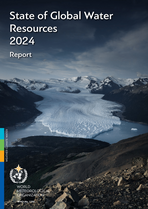
A new report by the World Meteorological Organization (WMO) has found that the global water cycle is becoming increasingly "erratic and extreme." This unprecedented change is leading to severe and frequent swings between extreme droughts and catastrophic floods around the world. The WMO's State of Global Water Resources report highlights that the consequences of this increasingly unpredictable water cycle include huge economic damages and potential conflicts over water resources. The report further concludes that human-driven climate change is disrupting the natural water cycle, which involves water evaporating, rising into the atmosphere, and falling back to Earth as rain or snow. Glaciers saw widespread losses for the third year straight, losing 450 gigatons of ice — enough water to fill 180 million Olympic swimming pools. This melting of ice poses significant implications for sea-level rise, flooding, and the water supply for many countries. Future climate reports are anticipated to include more detailed observational data and wider input from a growing network of hydrological experts.
|
Panel discussion on climate-driven human mobility, Oct. 2
The third discussion in a year-long series exploring the challenges and solutions of climate-driven human mobility, “Climate Change and Human Mobily Across Borders,” will address how a growing number of communities must decide whether to remain in place amid increasing risk or relocate to safer areas. This 75-minute conversation will focus on how cross-border human mobility intertwines with legal, social, and policy dimensions. Hosted by the California Council of Science & Technology, this online event is on Thursday, Oct. 2, at noon. Registration is free but required.
|
Next Lunch-MAR, Oct.1, and new Flood-MAR FAQs now online

Join Cliff Feldheim of Ducks Unlimited for a discussion on the importance of actively managed water for wetland habitat. This presentation will address climate change and how less snow and more variable rainfall forces wetland and floodplain managers to strategize new ways to capture, store, and distribute water based on ecological goals and water year conditions. The hour-long webinar begins at 12:30 p.m., Wednesday, Oct. 1. More information about upcoming Lunch-MAR events is available at floodmar.org, and past recordings are viewable online.
In related news, DWR recently created a detailed Flood-MAR FAQs; the 22-page pdf is available for download. Key FAQs address project components, funding, landowner involvement, water sources, recharge methods, and the benefits of boosting groundwater supplies to support California's water future. More Flood-MAR information is also available on DWR’s Flood-MAR webpage.
|
Tribal stewardship webinar to cover basic CA property laws
New DWR SB 1157 Benefits & Impacts Working Group
On Monday, Sept. 29, DWR will host a kickoff meeting for its new SB 1157 Benefits & Impacts Working Group. This group will support DWR in quantifying the benefits and impacts of the 2030 indoor residential water use standard on water, wastewater, and recycled water systems. The kickoff will provide an overview of Senate Bill 1157 requirements, introduce the project team, working group members, and working group’s objectives. It will also highlight opportunities for participation. The virtual meeting will run from 1 to 4 p.m. and is open to all interested parties including the public and community organizations. Registration is required.
|
To subscribe to California Water Plan eNews, visit the DWR email subscription page and select the “California Water Plan eNews” option.
Subscribe to the Save Our Water newsletter.
|