|
DRIP Collaborative report highlights second-year milestones

DWR announced that the Drought Resilience Interagency and Partners (DRIP) Collaborative has released its 2024 progress report, highlighting the activities, discussions, meetings, and collaborative recommendation process undertaken during the DRIP Collaborative’s second year. The DRIP Collaborative was established under Senate Bill 552 (Hertzberg) to enhance California’s resilience to droughts and water shortages. Focus areas for 2025 include land use planning for drought resilience, water infrastructure and planning, reducing ecosystem impacts of drought, climate change adaptation, and nature-based solutions for drought resilience. For more information on DRIP Collaborative’s activities, visit DWR’s DRIP webpage or sign up for the DWR DRIP Collaborative newsletter.
|
“Healthier Forests, Safer Communities” webinar today at 10 a.m.

The second webinar in Sustainable Conservation’s “Climate Resilience in Action” series will start at 10 a.m. today. The hour-long event will feature experts on forest management, fire safety, and cultural burning and will include discussions on how restoration efforts and controlled burns can help California build a safer, more fire-adapted future. Learn on how traditional ecological knowledge and modern fire management strategies can work together to strengthen ecosystem health. Registration is required.
|
Friday webinar: Executing emergency proclamation on wildfire
Innovative HAB Data Portal tracks HABs throughout California
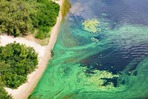
California is a hot spot for freshwater harmful algal blooms (HABs), which occur when bacteria, spurred on by ideal conditions, begin reproducing in mass. In an effort to track and combat HABs, a diverse coalition — including Indigenous Tribes, non-governmental organizations, and government agencies — came together to launch the California HAB Data Portal. This first-of-its-kind platform gathers fragmented HAB data into one public, interactive map. To learn more about this undertaking, visit the Internet of Water website to read the story behind the HAB Data Portal.
|
Solar canals: A solution for California’s water and energy needs?
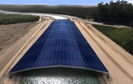
A bold, new plan using solar panels to blanket parts of California’s 4,000-mile network of water canals — an ambitious project called the California Solar Canal Initiative (CSCI) — aims to preserve the state’s vital water resources while advancing the shift to renewable energy without disturbing valuable land. Led by the University of California (USC) Public Exchange, CSCI could serve as a blueprint for helping to solve the state’s growing energy demands. Studies underway by CSCI researchers will provide decision-makers with insights to identify the best canal locations for the placement of solar panels over canals. More information about this inventive project is presented in an article in the Science and Technology section on the USC Today website.
|
To subscribe to California Water Plan eNews, visit the DWR email subscription page and select the “California Water Plan eNews” option.
Subscribe to the Save Our Water newsletter.
|
|
|
|