|
 June 3-11, 2023
Invasive species are non-native organisms (plants, animals, or microbes) that establish, quickly reproduce, and can negatively affect our water, health, native plants and animals, agriculture, and economy.
The San Francisco Bay-Delta ecosystem is recognized as one of the world's most-invaded estuaries. Prevention is the most effective strategy in managing invasive species. However, hundreds of invasive plants and animals have already been established in California and are spreading each year.
Join others across the state to help stop the spread of invasive species! From June 3 through June 11, state and local agencies will be hosting discussions, activities, and volunteer opportunities as part of California Invasive Species Action Week.
|
|
|
California Natural Resources Agency Secretary Wade Crowfoot
Secretary Speaker Series
Join California Natural Resources Agency Secretary Wade Crowfoot and others for a webinar to kick off California Invasive Species Action Week.
Defending the Golden State: Safeguarding Californians from Invasive Species
When: Friday, June 2 from 12-1 p.m.
|
Delta Interagency Invasive Species Coordination (DIISC) Team
The DIISC Team was formed to foster communication and collaboration among California state agencies that detect, prevent, and manage invasive species and restore invaded habitats in the Delta.
The DIISC Team organizes a biennial Delta Invasive Species Symposium, and the next event is set to take place in late 2023. Stay tuned for updates on this year's event!
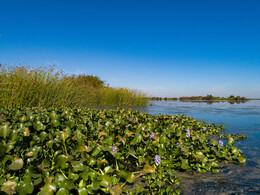
Water hyacinth, an invasive species in the Delta
|
|
How You Can Help: Informational Resources
The below links have helpful information on invasive species in California and beyond:
Reporting Nutria Sightings
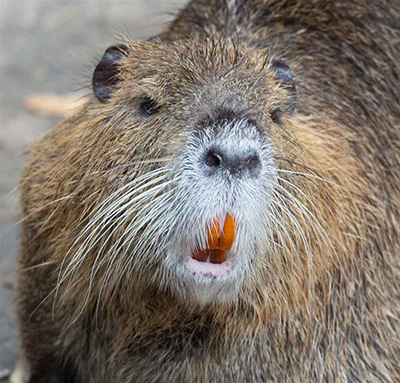
Nutria are one of the most well-known invasive species in the Delta. If you see nutria or potential signs of them, send photos to CDFW's Invasive Species Program online, by email to invasives@wildlife.ca.gov, or by phone at (866) 440-9530.
Not sure about what you saw? The Delta Stewardship Council created a convenient nutria pocket guide to aid in field identification of nutria.
Nutria were originally introduced to the U.S. for the fur trade. They are primarily found near permanent water sources.
|
|
|
|