SAFER Newsletter - Summer 2026
“Every human being has the right to safe, clean, affordable, and accessible water adequate for human consumption, cooking, and sanitary purposes."
- California’s Human Right to Water law
Welcome to our inaugural SAFER Newsletter!
In 2019, the California State Water Resource Control Board launched the Safe and Affordable Funding for Equity and Resilience (SAFER) program, designed to support disadvantaged communities and bring true environmental justice to Californians facing drinking water issues. The program established a set of tools and funding resources to support failing water systems in providing safe, accessible, and affordable drinking water to the communities they serve.
Using data from the annual Drinking Water Needs Assessment, the State Water Board identifies and works with water systems that are out of regulatory compliance to address both the immediate drinking water needs of the community and to develop long term solutions. The success of every drinking water system project is driven by collective responsibility – water systems, non profit organizations, governments, the SAFER advisory group, community members, and other stakeholders -- must work together for the benefit of the community facing water issues.
Since its beginning, SAFER has supported over 3.66 million Californians in accessing safe and affordable drinking water. But with nearly 650,000 Californians still being served by failing water systems, there is more work to be done.
This year, the State Water Board is launching this periodic newsletter to spotlight recent SAFER drinking water projects, share key updates and announcements about the program, and connect you with resources and opportunities to get involved.
- SAFER Success: Community of Riverdale
- Get Involved! Apply for the SAFER Advisory Group
- SAFER Advisory Group Updates
- New Drinking Water Needs Assessment Dashboards
- Ebb and Flow: No Lead Service Pipes Found in California Water Systems
SAFER Success: to Connect 600 People in Riverdale to Safe Drinking Water
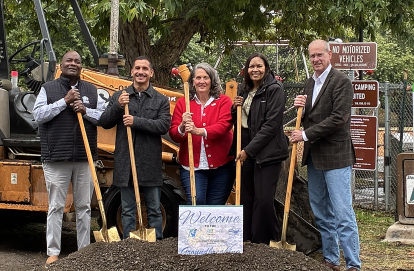
On May 28th, 2026, the State Water Resources Control Board joined officials and residents of the City of Modesto and Stanislaus County to break ground on a project that will connect the community of Riverdale, a severely disadvantaged community, to the city’s water system, ensuring reliable access to safe drinking water for over 600 residents.
Located in an unincorporated area of Stanislaus County, Riverdale has been without reliable drinking water since at least 2016 due to uranium contamination in its only supply well. The State Water Board provided over $7 million in SAFER grants to fully fund construction of the community’s consolidation with the city of Modesto’s water system.
State Water Board member Nichole Morgan (second from right), Modesto Mayor Sue Zwahlen (center) and Vice Mayor Jeremiah Williams (far left) break ground on the Riverdale consolidation project.
The SAFER Advisory Group is composed of up to 20 appointed members representing a variety of interests in the water sector, from public water systems to California residents in disadvantaged communities. The group provides the State Water Board with insight, constructive advice, and feedback on the Safe and Affordable Drinking Water Fund Expenditure Plan (FEP) and related policies and analyses.
The group meets four times a year, virtually or at locations throughout the state. All meetings are open to the public and widely publicized, to provide opportunities for public and community input.
Click to watch: 2026 SAFER Advisory Group Application Announcement
Interested in joining the SAFER Advisory Group?
Applications for the 2027-2028 cohort are open now until August 31st, 2026.
Second SAFER Advisory Group Meeting of 2026
On May 28th, the SAFER Advisory Group held its second meeting of 2026 in Sacramento, CA. The meeting included presentations by Water Boards staff on the Annual Needs Assessment Dashboards, and the development and anticipated funding of the fiscal year 2026-2027 Fund Expenditure Plan. Advisory Group members participated in breakout sessions where they discussed priorities and potential solutions to funding challenges encountered by the current fiscal year’s Fund Expenditure Plan. The 2026-2027 Fund Expenditure Plan is currently being drafted with recommendations from the Advisory Group and is expected to be available for public comment in fall of 2026.
Visit the SAFER Calendar to watch the recording and view meeting notes for the May 28th SAFER Advisory Group Meeting.
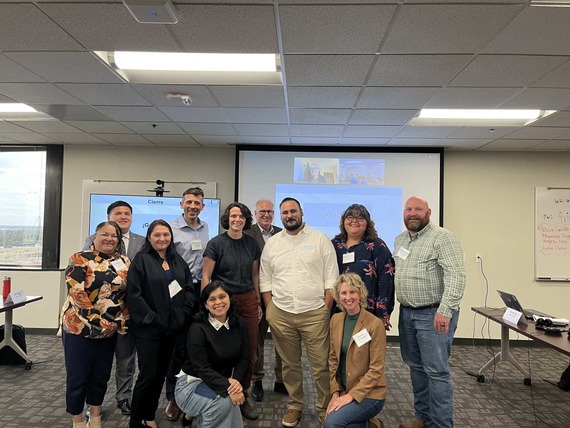
SAFER Advisory Group members at the May 28, 2026 meeting
Drinking Water Needs Assessment Dashboards
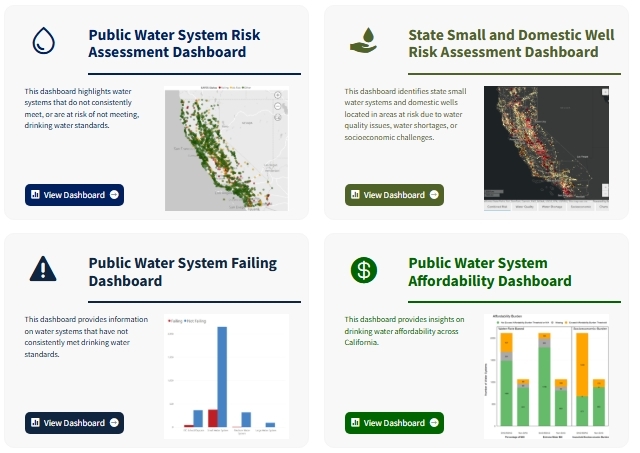
The annual Drinking Water Needs Assessment describes the overall health of the state’s many drinking water systems and domestic wells, as well as California’s challenges and progress in achieving the Human Right to Water. The report identifies communities with water systems that are considered Failing or At-Risk of Failing to provide safe drinking water, and provides insight into the affordability challenges these communities face. The Needs Assessment informs the annual SAFER Fund Expenditure Plan, and helps direct the funding and regulatory work of the SAFER program.
This year’s Needs Assessment also includes key updates to the methodology used to assess public water systems, including an automatic at-risk classification for systems under administrator or receivership status (effective March 2026), an updated Median Household Income (MHI) methodology (effective June 2026), and a plan to incorporate the upcoming Hexavalent Chromium (Cr6) regulations. The impact of these methodology changes can be viewed on the new dashboards, as well as on the California Open Data Portal.
The four dashboards featured on the Water Boards Needs Assessment webpage
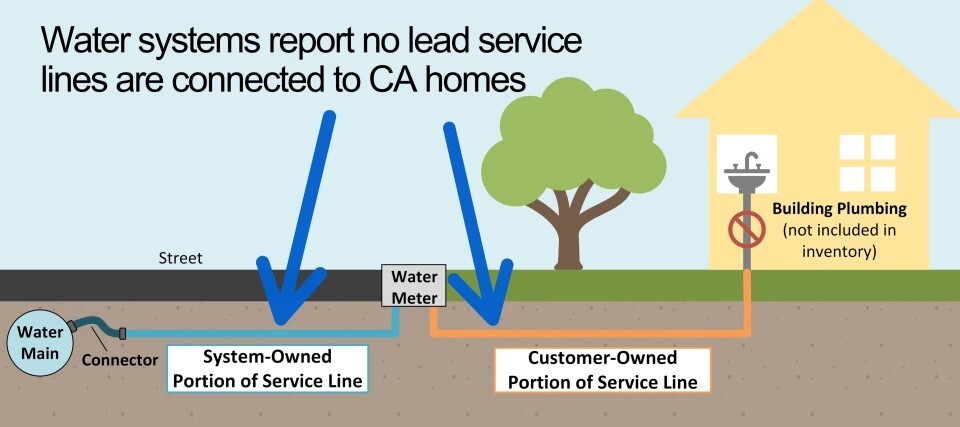
Water Systems Report No Lead Service Lines Connected to California Homes
Image courtesy of Ebb and Flow - State Water Board
When it comes to drinking water, few words raise concern as quickly as lead — especially for parents of young children. That concern is well-founded: lead is a toxic metal with no safe level of exposure, and drinking water has historically been one of several pathways through which people could be exposed.
In some regions of the United States, lead was once a common construction material because it was durable and easy to work with. In particular, it was often used in service lines – the pipes that connect main water lines to homes and buildings.
That’s why the U.S. Environmental Protection Agency recently required water systems nationwide to inventory the number of lead service lines in their water systems — a first-of-its-kind effort to identify where lead pipes may still be delivering drinking water to homes. California completed that inventory this year and the result found no lead service lines among millions of water service connections statewide.
Ebb and Flow is a digital publication of the State Water Resource Control Board that explores the science, policy, history and human stories of the state’s most precious resource: water.
|
Contact Us
Email: SAFER@Waterboards.ca.gov
Phone: (916) 445-5615
Visit SAFER Drinking Water for more information on the SAFER Program.
|
Need Translation or Interpretation Services?
If you are in need of translated documents, including this newsletter, or would like to request interpretation services for any SAFER related public meetings, please complete a request for language services using the form linked below.
The request form is available in English, Español (Spanish), Tagalog, 中文 (Simplified Chinese), 한국인 (Korean), Tiếng Việt (Vietnamese), ਪੰਜਾਬੀ (Punjabi).
Request Language Services
|
|
Did you receive this newsletter from a colleague or friend?
Subscribe to Receive SAFER Updates to your Inbox
|
|