VOLUNTEER POSITION DESCRIPTION TEMPLATE
VOLUNTEER POSITION TITLE
The title of your volunteer job description is the first thing that potential volunteers will see. Start with a catchy title. This will be the volunteer’s identification. So make it catchy, concise, and relevant while giving it as much prestige as possible, such as Field Technician instead of Volunteer Sampler.
MAJOR OBJECTIVE & IMPACT OF THE ROLE
Let your volunteers know what impact the job will have in the watershed. Tell them how it supports your mission or bolsters a particular program. Create a short concise statement reflecting the ultimate goals of the service to be performed. In short, state what the purpose of the position is and how will the volunteer's work affect the project's outcome.
RESPONSIBILITIES & DUTIES
List each duty and responsibility of the job and define what is expected from the volunteer, be as specific as possible.
TIME COMMITMENT
What do you expect of the volunteer? What are the duty hours and which days of the week the volunteer is to perform the services. Include Length of service, hours per week, hours per day, whatever may apply. Include any special requirements such as weekend work or collecting water quality samples in the middle of the night. The minimum number of months you need from the volunteer based on your investment in training and supervision becomes the minimum length of commitment for the volunteer. A maximum time commitment should also be specified for the volunteer (number of hours per week, month, etc.).
WORK LOCATION & ENVIRONMENT
This is where you mention where the individual be working. Will the volunteer be working in multiple locations, are the work locations remote field sites, will work be done in a laboratory, can the work be done at home…? Is the sponsoring organizations paying transportation costs? You may want to state if public transportation is near your work site/so you can recruit people who might not have their own transportation.
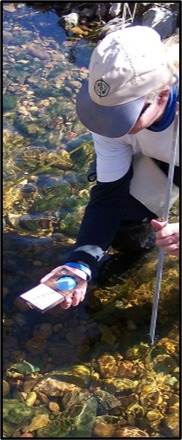
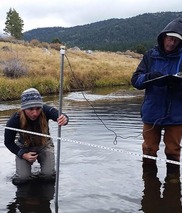
Provide a description of the environmental conditions where work will be performed. This may include terrain transversed, habitat worked in, expected weather conditions and other information relevant to the tasks being done by the volunteer.
You might also include whether there are physical requirements too. For example, you may want to disclose distances walked if it may seem long, weight of equipment and water samples expected to be carried, or microscope work which may require sitting for extended periods.
ORIENTATION & TRAINING OPPORTUNITIES
This includes the nature, specific content, and the approximate hours for orientation and training. Some organizations may provide additional specialized training for specific roles and responsibilities. Let your volunteers know what that training will look like and what qualifications are needed for that training. Lastly, identify and provide contact information for the individuals who will conduct the training.
ON THE JOB SUPERVISION
Include a brief statement about who the volunteer’s supervisor and team leader will be and how they will interact. Including real names helps the volunteer feel more prepared. In most cases this will be the person with the most direct responsibility for the service being provided by the volunteer.
SAFETY HAZARD COMMUNICATION
Will the volunteer be working in the “wild” (poison oak, mosquitos, in a stream…) a laboratory (chemicals…) or another type of location with possible hazards? What personal protective equipment (PPE) will be provided for the volunteer?
BENEFITS/ VOLUNTEER PERKS
While many volunteers don’t get involved for the benefits, it’s nice to include them anyway. List any available benefits to the volunteer such as free parking, coffee, mileage reimbursement, training, materials usage, letter of recommendation, service hours credit, or recognition. For example, you might detail that volunteers will receive a free meal after some events or get a complimentary t-shirt to mark their participation after severing a set number of volunteer service hours.
QUALIFICATIONS
Let volunteers know what attainments or characteristics they must have. These may be specific, like particular skills or a certain level of education or local knowledge, or they may be broader requirements, like a cheerful demeanor or the ability to work on their feet for several hours. Be careful not to over qualify the position – you could lose some excellent volunteers due to stringent educational requirements. Specifics such as a car or other types of transportation are required.
OTHER
Include the date the description was written or the date that it was updated. Include information about how to get answers to potential volunteer questions and who to call if interested. You might want to include signature lines for the volunteer manager and the site supervisor.
HOW TO APPLY
Provide a link to the application or any other directions explaining how to apply. It is helpful to include contact information for the person responsible for applications.
|