|
 |
View this email in your browser
News and Announcements
 May is Hepatitis Awareness Month
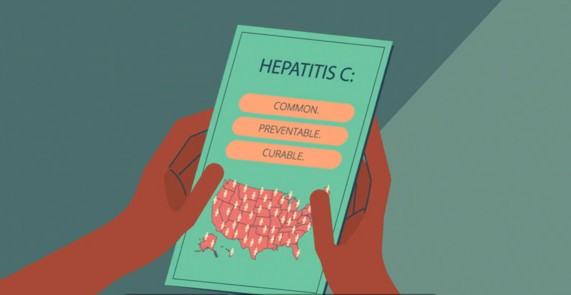
Hepatitis C (HCV) is both preventable and curable. The Harm Reduction Program's HCV Linkage Program in Santa Clara County helps connect individuals who have tested positive to comprehensive care through Bay Area Community Health (BACH), offering a path to cure with treatment regimens as short as 8-12 weeks.
If you or someone you know is living with HCV, you deserve a cure. Watch this video from Johns Hopkins University to learn more about available treatment options. Email HCVLinkage@phd.sccgov.org to get connected to care.
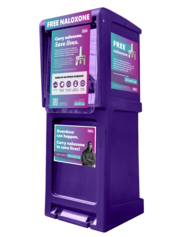
Order free naloxone stand boxes for your organization
Free naloxone training kits now available
Eligible organizations can now request free naloxone training kits when applying for nasal naloxone through the California Department of Health Care Services' (DHCS) Naloxone Distribution Project (NDP). Each kit includes a training device, instruction card, and storage pouch, and is available in multiples of two.
Clinician training series
The County of Santa Clara Public Health Department, in partnership with CA Bridge and Balanced Imperfection, is pleased to offer a clinician training series on chronic pain management, harm reduction, and Medication Assisted Treatment (MAT) for substance use treatment. Register for these upcoming trainings:
On-demand trainings
Missed a live training? Watch the recording now.
Join the Community Health Outreach Volunteer (CHOV) Program
Become a Community Health Outreach Volunteer (CHOV) in harm reduction. The 14-week program (August–December) trains volunteers in safer use practices through online, in-person, and hands-on sessions. The program ends with a final project to showcase your skills. Email to learn more: scc.hr.volunteers@gmail.com.
Harm Reduction Service Highlight
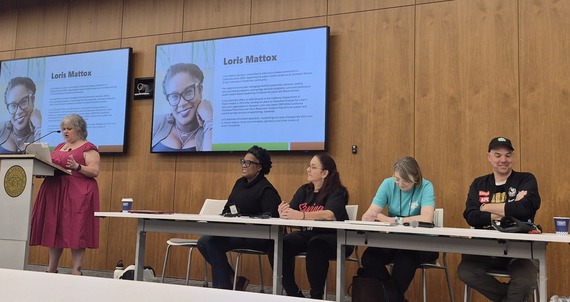 Catherine Swanson, Loris Mattox, Sabrina Fuentes, Roxanne Butterfield, Shilo Jama
Success: 2026 Harm Reduction Showcase
The fifth annual Harm Reduction Showcase, hosted by the County of Santa Clara Public Health Department's Sexual Health and Harm Reduction Program, was held on May 7, 2026, in San Jose. The event, themed "Harm Reduction in Uncertain Times," brought together community-based organizations, healthcare providers, and county staff for a day of connection, learning, and collaboration.
Attendees participated in case study workshops, heard from speakers with lived/living experience, networked with partners, and learned about innovative strategies to strengthen harm reduction in their own organizations. The showcase successfully fostered dialogue on upholding proven harm reduction practices amidst changing landscapes.
Here are a few highlights:
-
Attendance doubled compared to 2025, reflecting strong growth and continued interest in the event.
-
Over 200 attendees from nearly 50 unique organizations participated, fostering valuable networking and collaboration opportunities.
- Overall, 87.6% of survey respondents agreed or strongly agreed they gained valuable knowledge or skills from the event.
A heartfelt thank you to everyone who made the 2026 Harm Reduction Showcase a success! We are deeply grateful to our dedicated staff, our insightful speakers, and all the attendees whose engagement and commitment made the event truly impactful.
Harm Reduction Staff Spotlight
Meet Lorna: A Lifelong Advocate for Harm Reduction

Meet Lorna Sumagara, a dedicated force on the Sexual Health and Harm Reduction Program with over 20 years of experience in HIV/AIDS and reproductive health education across the Bay Area. She supports clients by creating wound or boo-boo kits, assembling clothing kits and distributing vital resources like naloxone and fentanyl test strips.
Her journey began with her uncle, the first in his family to graduate from UC Berkeley, who lived silently with AIDS as a gay Filipino American. “I witnessed my uncle suffer in silence and anxiety to balance his truth and succeed for the sake of the family welfare,” she shared. “His life inspired me to fight for civil rights, health care access and treatment of marginalized communities.”
She learned early on what harm reduction means in practice. “I learned to deeply appreciate the lived experiences of humans struggling to be housed, be nourished and living daily lives with substance use.”
For Lorna, the heart of the work is people. “Learning from passionate, empathetic, and compassionate group of humans who are my fellow colleagues, co-workers and clients. I love being an ally to support humans in their journey of health, growth of vision, goals, and survival.”
She believes harm reduction can transform lives. “It is my hope that through education and grassroots community activism . . . this mindset can really help heal and empower themselves, their family and circles of friends.” She sees it as “making health care more accessible, economical and ultimately lifesaving.”
One of her proudest moments? “Becoming an adult ally public health coordinator of youth coalition in which they learned to advocate for community-based policies... based on a harm reduction philosophy.”
Thank you, Lorna, for your inspiring dedication and heartfelt service. Your work in harm reduction makes a lasting difference.
|
Trainings and Conferences
Conferences
In-person
Virtual
Virtual trainings
Live webinars:
Recorded webinars:
Self-paced courses:
-
Free Harm Reduction Training for CA Residents: Get free online courses (Foundations, Overdose Prevention, Engaging Drug Users) from the National Harm Reduction Coalition. Enroll at their Online Training Institute and click “Are you a California resident? Click here for a free course bundle” or use code california100 at checkout.
-
Trauma-Informed Care for Post-Overdose Outreach: Learn to apply trauma-informed approaches in post-overdose outreach. CEUs available.
Funding Opportunities

Points of Distribution Fiscal Sponsorship
Points of Distribution (POD) offers fiscal sponsorship to harm reduction organizations who do not already have 501c3 status and deliver physical harm reduction resources to people who use drugs. There are no no fees on the first $25,000 of funding, followed by a 5% administrative fee on subsequent funds.
Deadline📅: Funding provided on a case-by-case basis
Sorenson Impact Institute
The Sorenson Impact Institute is offering grants between $100,000 and $400,000 through its Funding for Strategic Collaboration in the Impact Investing Sector RFP. The initiative supports nonprofit field-building organizations working to strengthen the impact investing and inclusive capitalism ecosystems via strategic consolidation and collaboration. This opportunity is ideal for organizations aiming to enhance sector sustainability, reduce fragmentation, and increase collective impact.
Deadline📅: Letter of intent is due June 11
Comer Family Foundation
The Comer Family Foundation offers grants for syringe services and community-based harm reduction programs that provide safer use supplies, education, and wraparound services to reduce opioid overdoses and the spread of HIV and viral hepatitis. Applications are accepted annually on May 1 and November 1. Grants range from $2,500 to $20,000 and support organizations with budgets under $600,000, especially those led by people who use drugs or from communities disproportionately impacted by drug criminalization and health disparities.
Deadline📅: November 1, 2026
The Health Trust: Health Partnership Grants
The Health Trust is offering grants for projects aligned with their focus areas: Food and Nutrition, Chronic Disease Prevention and Management, and Supportive Housing. Priority will be given to Policy, Systems, Practice-Change, and Programmatic Support projects. The Health Equity Fund supports projects outside these areas that address health disparities. General Operating Support is not available under this fund. For more details, visit The Health Trust’s website.
Deadline📅: Concept Forms are accepted on a rolling basis. Funding decisions are made quarterly, in September, December, March, and June.
The Awesome Foundation
The Awesome Foundation awards $1,000 monthly grants with no strings attached to creative, community-focused projects worldwide. Individuals, groups, or organizations can apply, and funding decisions are made by local or thematic chapters independently.
Deadline📅: Applications are accepted year-round.
Resources for Community Organizations
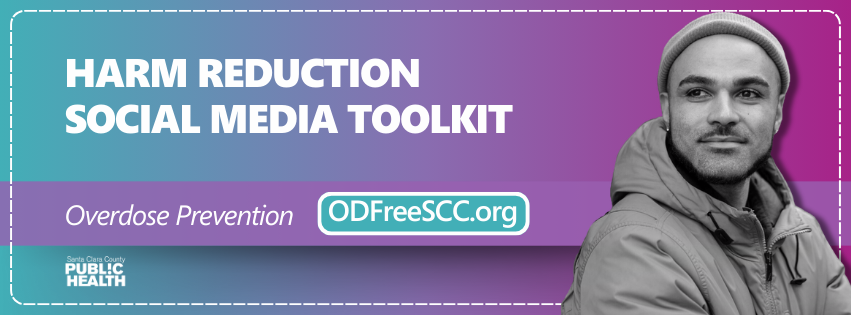 Overdose prevention social media toolkit
The Santa Clara County Public Health Department’s Overdose Prevention Hub (ODFreeSCC.org in English and SCCSinSobredosis.org in Spanish) is dedicated to ending overdoses and connecting people to life-saving resources. We launched a new social media toolkit this year to help raise awareness about these resources, including free naloxone, treatment options, safer use supplies, support groups, and more. The toolkit includes ready-to-share graphics and messages in English and Spanish. Download the materials and help spread the word!
City of San José Homeless Services Guide
The City of San José Homeless Services Guide helps connect individuals with the right government agencies and nonprofits. Visit the Homeless Services Guide page to download a digital version in English, Spanish, and Vietnamese.
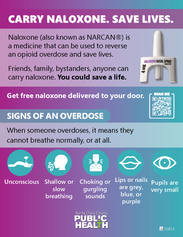
New Harm Reduction Health Ed Materials Available for Download
Two new harm reduction resources are now available for download! The brochure "How to Use More Safely and Reduce Overdose Risks" offers practical tips for safer substance use and information on where to access free harm reduction supplies. Also available is the easy-to-carry card "How to Save a Life with Naloxone," which outlines overdose signs and where to get free naloxone.
|
Toolkit: Naloxone and fentanyl test strip distribution for CBOs and clinics
The Naloxone Distribution Project (NDP) has released a comprehensive toolkit for community-based organizations (CBOs) and clinics outlining how to request and distribute free naloxone and fentanyl test strips. This toolkit includes guidance on inventory tracking, storage, distribution policies, and best practices for low-barrier, needs-based harm reduction services.
Access the toolkit here:
NDP Toolkit 👈
|
Overdose prevention and harm reduction trainings

Santa Clara County Public Health Department's Sexual Health and Harm Reduction Program (SHHRP) offers local organizations free trainings and technical assistance on overdose prevention and harm reduction.
Trainings include:
•Naloxone Distribution Program Overview •Harm Reduction Principles and Practices •Overdose Prevention •Recognizing the Signs of Overdose •Stigma Reduction •Other overdose prevention topics
Technical Assistance for: • Overdose prevention activities • Ordering and distributing supplies through the Naloxone Distribution Project
Stay connected: Follow us on LinkedIn for harm reduction updates.
|
Free technical assistance from the Opioid Response Network
The Opioid Response Network (ORN) offers free, tailored education and technical assistance on preventing, treating, and supporting recovery from opioid and other substance use disorders.
|
Substance use and suicide prevention trainings

The Santa Clara County Behavioral Health Services Department (BHSD) – Prevention Services Division and their community partners offer free prevention services and materials for schools, families, and community organizations.
Trainings and programs are available for:
|

Free safer sex supplies for organizations
In partnership with the California Department of Public Health's Condom Distribution Program, the Sexual Health and Harm Reduction Program offers community organizations free condoms, lube, and dispensers to help reduce HIV transmission. Get your free safer sex supplies today.
|
Get Involved
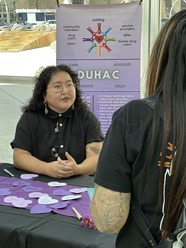
Join the Drug User Health Advisory Committee (DUHAC)
DUHAC is a collaborative space for people who use drugs and community partners to shape harm reduction services in Santa Clara County. Share feedback, offer recommendations, and help improve support for the community.
Meetings: Every 4th Thursday from 5 to 6 p.m. on Zoom.
Subscribe to our mailing list to stay up to date or contact us below to join the next meeting.
|
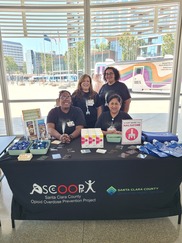
Join the ODFree SCC Coalition
ODFree SCC (formerly known as "SCCOOPP") is a coalition of community members and volunteers, healthcare providers, and professionals working to reduce overdoses in Santa Clara County through equity, community, and collaboration. The coalition's vision is to create a Santa Clara County free from fatal and non-fatal overdoses and other harms of drug use through the mobilization of multi-sectoral partnerships and the use of data to inform action.
Meetings: Last Tuesday of each month from 12 to 1:30 p.m. on Zoom and in-person.
Questions? Contact us at ODFreeSCC@phd.sccgov.org.
|
Tell us what you think
We value your feedback! Take our anonymous 2-minute survey to help shape future editions.
About the Harm Reduction Program
For the past three decades, the Harm Reduction Program has been at the forefront of public health efforts to promote safer behaviors proven to control the spread of blood borne viruses, such as HIV and Hepatitis C. The program is also playing a vital role in helping to decrease opioid overdose deaths and serve as a bridge to other health and social services.
The Harm Reduction Program is housed within the Sexual Health and Harm Reduction Program of the County of Santa Clara Public Health Department.
📬 Was this newsletter forwarded to you? Subscribe to stay updated.
|