|
 |
View this email in your browser
News and Announcements
 Spring into action: Harm reduction kit making party
Drop in and join us! Pizza and refreshments will be available. We will be prepping supplies for the Harm Reduction Showcase and welcome folks to come and make their very own kits! Kits include: first aid, fentanyl test kits, and overdose prevention
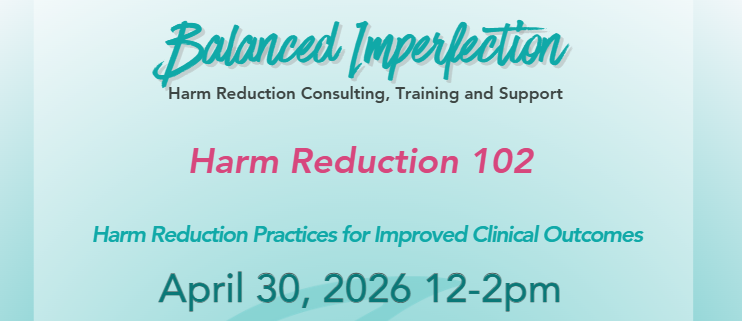 Harm reduction 102 training: Harm reduction practices for improved clinical outcomes
Catherine Swanson of Balanced Imperfection will lead a provider training focusing on integrating harm reduction principles and low-barrier strategies into clinical care.
- Date📅: April 30, 2026
-
Time⏰: 12 to 2 p.m.
- Location📍: Zoom
Training objectives:
- Review of the history of harm reduction as a philosophy and movement.
- Understand the principles of harm reduction and their practical implications.
- Examine how stigma and bias impact people who use drugs engaging in care.
- Understand how harm reduction can improve clinical outcomes.
- Understand of how vicarious trauma, burnout and compassion fatigue play into implicit bias around drug use.
- Learn strategies for improving resilience and community to reduce implicit bias and create better clinical outcomes.
Free naloxone training kits now available
Eligible organizations can now request free naloxone training kits when applying for nasal naloxone through the California Department of Health Care Services' (DHCS) Naloxone Distribution Project (NDP). Each kit includes a training device, instruction card, and storage pouch, and is available in multiples of two.
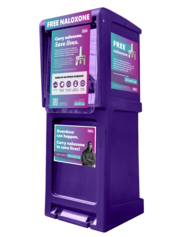
Order free naloxone stand boxes for your organization
Harm Reduction Service Highlight
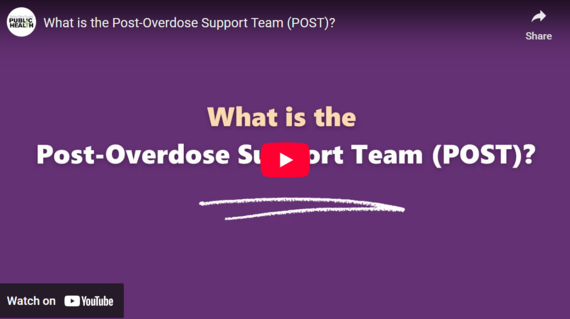 Click the image above to watch a video about POST.
POST Program: Real Impact, Real Lives
Since its launch in 2025, the Post-Overdose Support Team (POST) has provided critical support to 30 individuals in the aftermath of overdose, offering compassionate, person-centered support when it is needed most. Led by Program Lead Roxanne Butterfield, POST delivers overdose prevention education, naloxone and fentanyl test strip training, and individualized care planning using motivational interviewing and active listening. The program connects participants to Medication-Assisted Treatment (MAT), social services, and peer support networks, ensuring they are not left to navigate recovery alone. A key element of the program has been offering lifesaving overdose prevention planning for participants and their partners, helping them reduce risks, build support networks, and access resources like the Never Use Alone hotline and crisis response teams.
Through partnerships with the COMPASS Clinic, the Drug Users Health Advisory Committee (DUHAC), and the Harm Reduction Program’s Wednesday drop-in, POST extends access to legal aid, job support, and medical care. Three participants have secured stable housing, and Kaizen rides have removed transportation barriers to appointments. With lifesaving overdose prevention plans, referrals, and growing peer-to-peer outreach, POST is creating a ripple effect of resilience, hope, and healing.
Hope is possible. Recovery is personal. Support works. We are accepting new participants, share this lifeline with those who need it.
Questions? Call POST at (669) 326-4406 or email harmreduction@phd.sccgov.org
Harm Reduction Staff Spotlight
Rachel George: Students Carry Narcan, Save Lives

This month, we highlight Rachel George, a Bay Area native and Master in Public Health student at Baylor University. As an intern with the Overdose Data to Action Program with the Sexual Health and Harm Reduction Program, Rachel supports overdose prevention efforts, the ODFreeSCC coalition, and community partnerships to expand access to naloxone and fentanyl test strips.
Rachel was drawn to harm reduction after witnessing the opioid crisis in her community. "I was drawn to harm reduction because it’s a practical, compassionate approach that meets people where they are and can directly save lives!"
The most rewarding part of her work is knowing it prevents overdose deaths. "Seeing active community members access naloxone, participate in trainings, and connect with support services is incredibly fulfilling. It is inspiring to see the ripple effect in how folks in the county utilize the services and tools we give them to help others."
Rachel wants more people to understand that harm reduction is not about enabling drug use. "It is instead solely about keeping people safe, reducing risks, and providing tools and support to help individuals alive judgement free."
One moment that stands out is learning that students carry Narcan to parties and concerts. "In some cases, these students have had to use Narcan on strangers before calling the police." These actions show both the life-saving impact of the work and the compassion of young people.
Rachel’s dedication reflects the heart of harm reduction. We are proud to have her on the team.
|
Trainings and Conferences
Conferences
In-person
-
April 25, 9 a.m. to 2 p.m., Santa Clara, CA: Santa Clara University Recovery Conference
-
May 8, Oakland, CA: Nurses as Changemakers in Addiction Care
-
June 9, Aptos, CA: CA Bridge South Bay Area and Central Coast Regional Collaborative - This event will highlight the innovative work taking place across San Benito, Santa Clara, Santa Cruz, San Mateo, and Monterey counties to advance the integration of SUD services within health systems.
- June 16 to 18 Carlsbad, CA: California Native Harm Reduction Summit
Virtual
Virtual trainings
Live webinars:
Recorded webinars:
Self-paced courses:
-
Free Harm Reduction Training for CA Residents: Get free online courses (Foundations, Overdose Prevention, Engaging Drug Users) from the National Harm Reduction Coalition. Enroll at their Online Training Institute and click “Are you a California resident? Click here for a free course bundle” or use code california100 at checkout.
-
Trauma-Informed Care for Post-Overdose Outreach: Learn to apply trauma-informed approaches in post-overdose outreach. CEUs available.
Funding Opportunities

Emergent Fund: Rapid Response and Emergent Organizing Grant
The Emergent Fund supports grassroots, frontline-led organizing by Black, Indigenous, and people of color (BIPOC) communities responding to urgent crises or transformative opportunities. It funds time-sensitive efforts that build power, resist injustice, and advance racial, economic, reproductive, climate, and gender justice, prioritizing groups with limited access to traditional funding. Grants are typically under $30,000 and provided monthly during open cycles.
Deadline📅: April 23, 2026
Comer Family Foundation
The Comer Family Foundation offers grants for syringe services and community-based harm reduction programs that provide safer use supplies, education, and wraparound services to reduce opioid overdoses and the spread of HIV and viral hepatitis. Applications are accepted annually on May 1 and November 1. Grants range from $2,500 to $20,000 and support organizations with budgets under $600,000, especially those led by people who use drugs or from communities disproportionately impacted by drug criminalization and health disparities.
Deadline📅: May 1, 2026
AstraZeneca Foundation: CHANGE Grant
The AstraZeneca Foundation offers grants of up to $220,000 through its CHANGE program, supporting organizations focused on improving access to quality healthcare for populations facing health disparities. This initiative prioritizes innovative, community-driven solutions that advance health equity.
Deadline📅: May 5, 2026
Sorenson Impact Institute
The Sorenson Impact Institute is offering grants between $100,000 and $400,000 through its Funding for Strategic Collaboration in the Impact Investing Sector RFP. The initiative supports nonprofit field-building organizations working to strengthen the impact investing and inclusive capitalism ecosystems via strategic consolidation and collaboration. This opportunity is ideal for organizations aiming to enhance sector sustainability, reduce fragmentation, and increase collective impact.
Deadline📅: Letter of intent is due June 11
The Health Trust: Health Partnership Grants
The Health Trust is offering grants for projects aligned with their focus areas: Food and Nutrition, Chronic Disease Prevention and Management, and Supportive Housing. Priority will be given to Policy, Systems, Practice-Change, and Programmatic Support projects. The Health Equity Fund supports projects outside these areas that address health disparities. General Operating Support is not available under this fund. For more details, visit The Health Trust’s website.
Deadline📅: Concept Forms are accepted on a rolling basis. Funding decisions are made quarterly, in September, December, March, and June.
The Awesome Foundation
The Awesome Foundation awards $1,000 monthly grants with no strings attached to creative, community-focused projects worldwide. Individuals, groups, or organizations can apply, and funding decisions are made by local or thematic chapters independently.
Deadline📅: Applications are accepted year-round.
Resources for Community Organizations
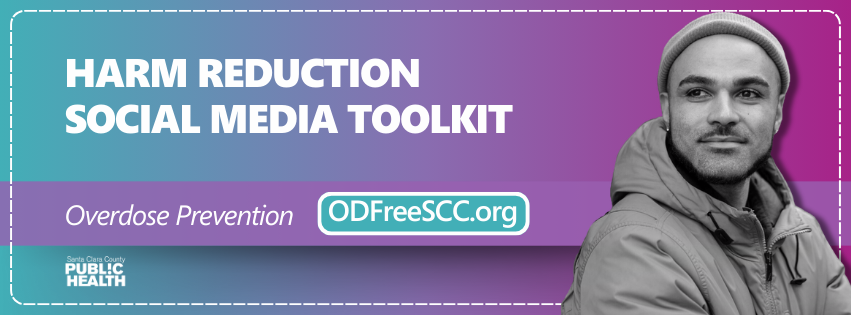 Overdose prevention social media toolkit
The Santa Clara County Public Health Department’s Overdose Prevention Hub (ODFreeSCC.org in English and SCCSinSobredosis.org in Spanish) is dedicated to ending overdoses and connecting people to life-saving resources. We launched a new social media toolkit this year to help raise awareness about these resources, including free naloxone, treatment options, safer use supplies, support groups, and more. The toolkit includes ready-to-share graphics and messages in English and Spanish. Download the materials and help spread the word!
City of San José Homeless Services Guide
The City of San José Homeless Services Guide helps connect individuals with the right government agencies and nonprofits. Visit the Homeless Services Guide page for a digital version or download a copy below.
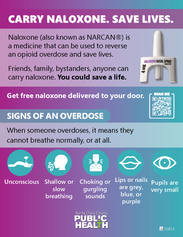
New Harm Reduction Health Ed Materials Available for Download
Two new harm reduction resources are now available for download! The brochure "How to Use More Safely and Reduce Overdose Risks" offers practical tips for safer substance use and information on where to access free harm reduction supplies. Also available is the easy-to-carry card "How to Save a Life with Naloxone," which outlines overdose signs and where to get free naloxone.
|
Toolkit: Naloxone and fentanyl test strip distribution for CBOs and clinics
The Naloxone Distribution Project (NDP) has released a comprehensive toolkit for community-based organizations (CBOs) and clinics outlining how to request and distribute free naloxone and fentanyl test strips. This toolkit includes guidance on inventory tracking, storage, distribution policies, and best practices for low-barrier, needs-based harm reduction services.
Access the toolkit here:
NDP Toolkit 👈
|
Overdose prevention and harm reduction trainings

Santa Clara County Public Health Department's Sexual Health and Harm Reduction Program (SHHRP) offers local organizations free trainings and technical assistance on overdose prevention and harm reduction.
Trainings include:
•Naloxone Distribution Program Overview •Harm Reduction Principles and Practices •Overdose Prevention •Recognizing the Signs of Overdose •Stigma Reduction •Other overdose prevention topics
Technical Assistance for: • Overdose prevention activities • Ordering and distributing supplies through the Naloxone Distribution Project
Stay connected: Follow us on LinkedIn for harm reduction updates.
|
Free technical assistance from the Opioid Response Network
The Opioid Response Network (ORN) offers free, tailored education and technical assistance on preventing, treating, and supporting recovery from opioid and other substance use disorders.
|
Substance use and suicide prevention trainings

The Santa Clara County Behavioral Health Services Department (BHSD) – Prevention Services Division and their community partners offer free prevention services and materials for schools, families, and community organizations.
Trainings and programs are available for:
|

Free safer sex supplies for organizations
In partnership with the California Department of Public Health's Condom Distribution Program, the Sexual Health and Harm Reduction Program offers community organizations free condoms, lube, and dispensers to help reduce HIV transmission. Get your free safer sex supplies today.
|
Get Involved
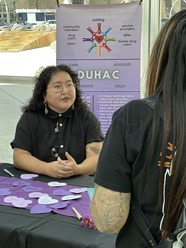
Join the Drug User Health Advisory Committee (DUHAC)
DUHAC is a collaborative space for people who use drugs and community partners to shape harm reduction services in Santa Clara County. Share feedback, offer recommendations, and help improve support for the community.
Meetings: Every 4th Thursday from 5 to 6 p.m. on Zoom.
Subscribe to our mailing list to stay up to date or contact us below to join the next meeting.
|
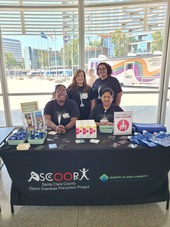
Join the ODFree SCC Coalition
ODFree SCC (formerly known as "SCCOOPP") is a coalition of community members and volunteers, healthcare providers, and professionals working to reduce overdoses in Santa Clara County through equity, community, and collaboration. The coalition's vision is to create a Santa Clara County free from fatal and non-fatal overdoses and other harms of drug use through the mobilization of multi-sectoral partnerships and the use of data to inform action.
Interested in joining? The ODFree SCC coalition meets on the last Tuesday of each month from 12 to 1:30 p.m. online (over Zoom) and in-person. Questions? Contact us at ODFreeSCC@phd.sccgov.org.
|
Tell us what you think
We value your feedback! Take our anonymous 2-minute survey to help shape future editions.
About the Harm Reduction Program
For the past three decades, the Harm Reduction Program has been at the forefront of public health efforts to promote safer behaviors proven to control the spread of blood borne viruses, such as HIV and Hepatitis C. The program is also playing a vital role in helping to decrease opioid overdose deaths and serve as a bridge to other health and social services.
The Harm Reduction Program is housed within the Sexual Health and Harm Reduction Program of the County of Santa Clara Public Health Department.
📬 Was this newsletter forwarded to you? Subscribe to stay updated.
|