|
Having trouble viewing this email? View it as a Web page.
 June 1, 2025

  Look before you lock
According to the National Highway Traffic Administration (NHTSA), about 40 children die from vehicular heatstroke every year. It remains one of the leading causes of non-crash vehicle-related fatalities among children. Hundreds more are treated at hospitals for heat-related issues.
It can be tempting to leave a child in a car while you quickly run into the store; however, this is a dangerous idea. A child’s body temperature rises three to five times faster than an adult's. Even when parked in the shade with a window cracked, leaving a child in a car for a short time can become deadly.
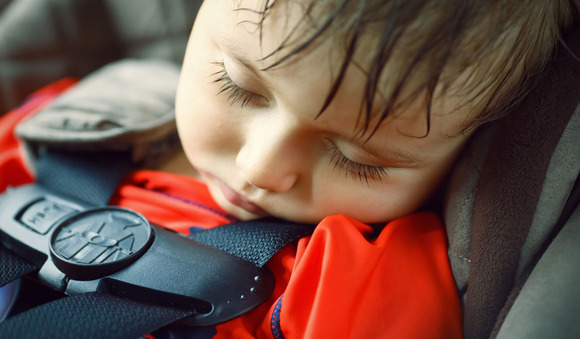
No parent or caregiver ever expects to forget a child in a vehicle. Unfortunately, it can happen to anyone. Be especially careful during busy times, schedule changes, periods of crisis, or holidays. This is when many tragedies occur. Babies and young children can sometimes sleep so peacefully that we may forget they are even there.
The NHTSA offers these tips to help keep children safe:
- Always lock your vehicle when you’re not using it. Even if you don’t have a child of your own, a child in the neighborhood could get into your unlocked vehicle. Almost a third of kids who die in hot cars entered the car to play and got trapped.
- Never leave a child alone in a vehicle, even if you think you’ll only be gone for a minute.
- Make it a habit to check your entire vehicle, especially the back seat, before locking the doors and walking away. Place a stuffed animal in the passenger’s seat or your purse or briefcase in the back seat to help you remember that a child is in the back seat.
- Ask your childcare provider or school to call if your child doesn’t arrive as expected.
- Keep your keys and remote access devices out of a child’s reach. Don’t let kids play with them.
- ACT if you see a child alone in a hot vehicle by calling 911 immediately and getting help. A child experiencing heat-related distress should be removed from the vehicle as quickly as possible and rapidly cooled.
Every summer, heartbreaking and preventable deaths occur when children are left alone in hot cars. If you have young children, always “stop, look, and lock” every time before exiting a vehicle.
 Leaving an animal in an unattended vehicle
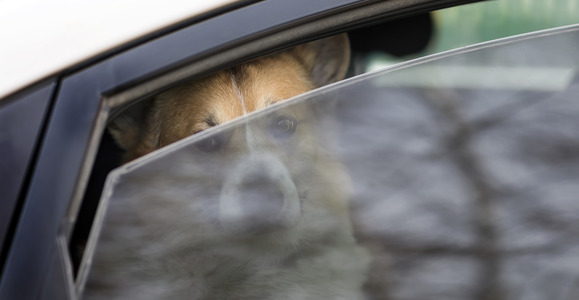
It’s summer in Roseville, and that means the weather is warming up. Many people take their beloved pets wherever they go. Oftentimes, people, without giving it a second thought, leave their animal in an unattended vehicle. If you are a pet owner, here is what you need to know.
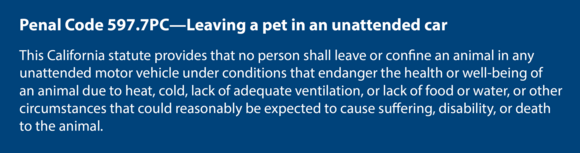 We all love our pets and would never do anything to harm them. So, this summer when you are out running errands, don’t leave your pets in a hot car. Leave them at home.
 National Night Out
Get with your neighbors and work together to take a stand against crime. Plan a BBQ, potluck, or other event on Tuesday, August 5 from 6-9 p.m.
Visit roseville.ca.us/NNO to register for a visit from Roseville Police, Roseville Fire, or other City representatives. Registration will close Friday, July 18.
 That USPS text message could be a scam
Have you ever received a text message from the United States Postal Service (USPS), FedEx, or another carrier? It might have said there is a problem with a package delivery, like unpaid postage, an incorrect address, or missed delivery. Along with the message is a link to fix the problem. Be careful! Most likely, that text is actually from a scammer.
The link they want you to click on will take you to a fake website where you’ll be asked to enter your personal information, credit card number, or other financial information. This information will go directly to the criminal.
Want to avoid this type of scam? The Federal Trade Commission (FTC) offers the following tips:
-
Verify delivery information independently. If you think a text is about a real delivery, don’t give information or click on any links in the message. Instead, go to the online retail site or account where you ordered your item to look up the shipping and tracking information for your package.
-
Use filters. See what options your mobile phone has to filter and block texts from unknown senders.
-
Report unwanted text messages and scams on the messaging app you use. See if your phone has an option to report junk or spam. If not, forward the message to 7726.
 Be cautious when you receive an unexpected text asking you to click on a link or give out your personal information. Always verify with the company using contact information that you know is correct.
Check out these resources to help you weed out spam text messages, phishing emails, and unwanted calls. Spotted a scam? Tell the FTC at ReportFraud.ftc.gov.
Beat: 7
Date: March 31
Neighborhood: Fiddyment Farms
A bank employee was alerted to a possible elder abuse circumstance regarding a 77-year-old client. The employee described the victim as embarrassed about the situation and was concerned that the scam was still going on. Based on the bank’s calculations, the victim gave the scammer approximately $41,526, primarily taken out in cash, checks, money transfers, and gift card purchases. The victim joined a “grief group” where she met the suspect (1), who messaged her over Skype. Suspect (1) would message the victim, calling her “babe,” saying that he loved her, and made promises to make her life better. The victim said the last thing the suspect (1) had her do was put $10,000 in a box, wrap it in a towel, and send it to a provided address in Oklahoma. The victim explained she found out the suspect (1) may have gotten arrested on his way to see her, and someone claiming to be his attorney, suspect (2), reached out to her. Suspect (2) told the victim to send money to bail suspect (1) out of jail. The victim said that throughout this experience, she estimated that she sent suspect (1) approximately $60,000 in cash and gift cards and was extremely hurt and embarrassed that she fell prey to a scam. The victim said the conversations with both suspects ended with her telling them she was all out of money. She explained that she had not heard from either party since.
Beat: 2
Date: March 31
Neighborhood: Meadow Oaks
The victim explained he received a phone call at 11:33 a.m. from someone he thought was his granddaughter. She (suspect 1) explained she was in jail and needed money to get out. She said she was in a car accident, and a pregnant person was in the other vehicle and was hurt. She didn’t want anyone to know, so she asked the grandfather to keep it a secret and advised that an attorney would be calling him. At 11:37 a.m., a man (suspect 2) called and identified himself as the lawyer, and he needed the grandfather’s help to get his granddaughter out of jail. He said he would contact pre-trial intervention, and they would instruct him on how to get his granddaughter out of jail. Another man (suspect 3) called and identified himself as working for pre-trial intervention and requested $9,200 to get his granddaughter out of jail. At 1:33 p.m., suspect (2) called the victim and instructed the grandfather to take the money to the car that was in front of his house. A dark gray small SUV pulled up, and the driver was on the phone, too. He heard someone instruct the driver to take the money. The victim provided the money to the driver, who then left with it.
Beat: 6
Date: March 25
Neighborhood: Junction West
The victim was contacted by telephone by an “Amazon” employee who said there was an issue with his (victim’s) computer. In order to fix the issue, the victim was told to purchase five Apple gift cards containing $500 each and four Target gift cards containing $200 each for a total of $3,300. The victim used five credit cards to make the purchases. The suspect then collected the gift card information, and the funds were stolen.
|