How it works
The satellite project and the data acquired by it is made possible by a $100 million investment from the state’s Cap-and-Trade program.
The state will maintain a database and web portal to coordinate and document mitigation actions. While California does not own these satellites, state agencies will be able to select specific regions for observation. This data will also be available to communities to view methane mitigation efforts, education, and for outreach.
Tackling methane emissions
Methane is a clear, odorless gas released from landfills, oil and gas operations, livestock facilities, as well as natural sources such as wetlands. It is a major climate pollutant that warms the atmosphere at least 25 times more than carbon dioxide, the most common climate pollutant. Methane emissions are responsible for about a quarter of global climate pollution. Controlling methane leaks helps speed up the state’s climate protection efforts. Other harmful air pollution can also be part of methane leaks that could present risks to public health.
From 2016 to 2018, CARB worked with the Jet Propulsion Laboratory and the California Energy Commission to test plume tracking technology mounted on conventional aircraft. The survey found that less than one percent of infrastructure in the state was responsible for up to 46% of total methane emissions in California.
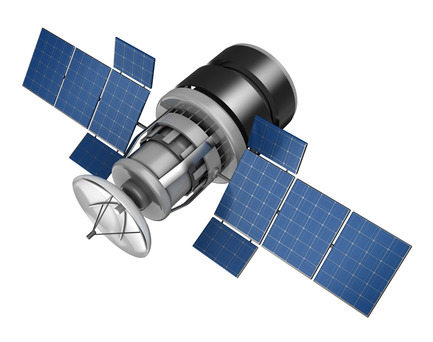
However, conventional aircraft yield only a snapshot of what’s happening at a specific time. A satellite can survey a much wider area and because of its constant orbit can provide more detailed and continuous information to help determine the size of a leak, its duration and the volume of gas released into the atmosphere. The data can also be used to help gather details on other climate indicators such as geology and soils, agriculture, forests and vegetation, water remote sensing, urban land cover, man-made surfaces as well as snow and glaciers.
The type of satellite in this project will not see all methane emitted, and will only be able to detect large, localized leaks from individual “point” sources.
Methane emissions and climate change present global challenges, but an additional goal of this project is to raise general awareness of methane emissions globally to spur local action outside of our state and for California to work with other jurisdictions and partners who wish to develop methane mitigation programs to address methane emissions.
|