|
Dear Friends and Neighbors:
The 2025 Orange County Point in Time Count numbers are in, and the results bring encouraging news for our community’s ongoing efforts to address homelessness. This week, the County announced a 14 percent reduction in the number of unsheltered individuals living on Orange County’s streets over the past two years.
Beyond this positive development, for the first time, we also saw more unhoused residents staying in shelters or transitional housing programs than living in places not meant for habitation, such as streets and flood control channels. These numbers reflect meaningful progress and demonstrate that targeted investments, prevention efforts, and coordinated outreach are making a real difference, without the need to criminalize homelessness.
During my tenure as Chair of the Commission to Address Homelessness in 2024 and 2025, we made homelessness prevention a top priority because it became increasingly clear that the primary drivers of homelessness in our region include economic instability and the lack of affordable housing. Preventing people from falling into homelessness is not only humane, but also far more cost-effective than addressing homelessness after a family or individual has already lost stability and entered the streets.
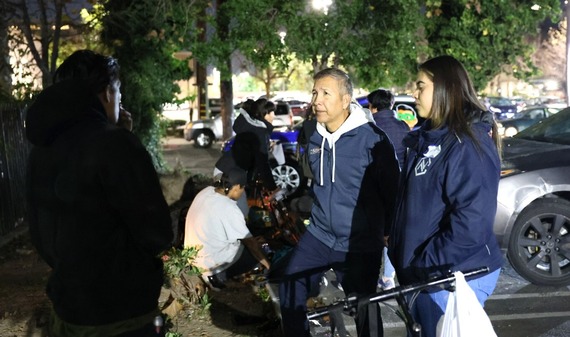 As Chair of the CalOptima Health Board, I am proud that we have continued expanding innovative approaches to care for individuals experiencing homelessness. Since my appointment to the Board, street medicine programs have expanded from serving just one city to operating in four cities across Orange County. These programs bring medical care directly to vulnerable residents, helping stabilize individuals, connecting them with housing and mental health services, and creating pathways toward long-term recovery and stability.
I am also proud of the investments CalOptima Health has made in housing support, overdose prevention, outreach, and stabilization programs that are producing real results. Through significant investments in Narcan distribution, overdose prevention, and outreach efforts, countless lives have been saved, and homeless overdose deaths have declined in recent years. It is these compassionate and common-sense approaches, and not increased criminal penalties, that provide real hope for those living with addiction.
But despite the progress made, our work is far from complete. More than 6,000 residents still experience homelessness in Orange County, and many individuals currently in shelters are ready to transition into permanent housing but simply do not have affordable options available to them.
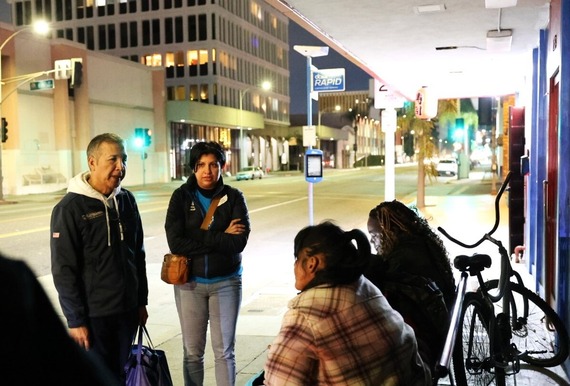 While we can celebrate the good news in this year's Point in Time Count, we must recognize that the hard-won progress could be lost if we do not stay laser-focused on prevention efforts, supportive services, and affordable housing. Whether through homelessness prevention, innovative home-sharing programs, or small-scale and modular construction to build faster and more cost-effectively, we know we can make a difference.
As Orange County faces difficult budget decisions and uncertainty surrounding state and federal funding, we cannot abandon our most vulnerable residents. We still have much work ahead of us.
|