|
Through historic investments, policy reforms, and partnerships with local governments, health plans, providers, and community-based organizations, the state is transforming California’s behavioral health delivery system, improving accountability and transparency, and expanding access to treatment and housing.
WHY THIS MATTERS: Californians will have easier access to quality mental health and substance use services, especially for serious conditions and crises, and communities across the state will have more community treatment sites, behavioral health workers, and wellness supports.
Top News
Release of Updated Behavioral Health Services Act County Policy Manual and Public Comment Period
On April 7, the Department of Health Care Services (DHCS) released updates to the Behavioral Health Services Act County Policy Manual and opened the public comment period for Module 3. The updates to the policy manual were originally released for public comment in December 2024 as Module 2, and include guidance about draft and final Integrated Plans, funding allocations, Medi-Cal payments, Full Service Partnerships, promoting access to care, early intervention programs, and workforce education and training. The updates reflect stakeholder input to support policies that are responsive to the needs of communities across California.
Draft Module 3 provides clear guidance on the Integrated Plan submission and approval processes, budget templates, Integrated Plan templates, and measures for population goals. It will support counties as they prepare to submit their first draft Integrated Plan, due on March 31, 2026, and final Integrated Plan, due on June 30, 2026. Comments on Module 3 can be left through the DHCS public comment digital platform and will be accepted from April 7 through 25.
On February 19, DHCS released the initial installment of the policy manual that incorporated feedback received through public listening sessions, public comments, and engagement forums for Module 1. It includes information on the community planning process, funding allowances and transfer requests, housing interventions, and Behavioral Health Services Act implementation.
The policy manual is being released for public comment in multiple phases called “modules." Once completed, it will be a comprehensive guide for counties, behavioral health providers, Tribal leaders, and other behavioral health stakeholders to implement the requirements detailed in the Behavioral Health Services Act. For specific questions about the policy manual, please email BHTinfo@dhcs.ca.gov.
Program Spotlight
Behavioral Health Community-Based Organized Networks of Equitable Care and Treatment (BH-CONNECT)
BH-CONNECT is a new multi-year initiative that is strengthening the continuum of community-based behavioral health services for Medi-Cal members with significant behavioral health needs.
-
More community care options: This transformative initiative will reduce reliance on facility-based care while strengthening community support to improve access and outcomes.
-
More behavioral health workers: It includes $1.9 billion in funding for new behavioral health workforce training.
-
More focus on quality: Incentives for county behavioral health plans to improve quality, access, and outcomes; and expanded and clarified Medi-Cal coverage for evidence-based practices (EBP).
-
New help with rent and other services: It includes a new Community Support that will provide up to six months of transitional rent for qualified members, including a statewide launch on January 1, 2026, for the behavioral health population of focus. It also includes new preventive services, such as activity funds for children and youth involved in child welfare.
BH-CONNECT is a key pillar of Mental Health for All and is strategically aligned with the Behavioral Health Services Act efforts underway to modernize California's behavioral health system, expand access to evidence-based service models statewide, and address the housing needs of Californians with significant behavioral health conditions.
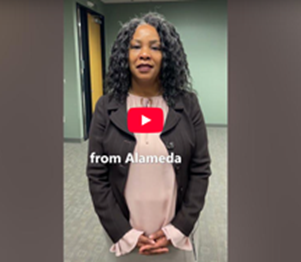
“BH-CONNECT focuses on quality, care coordination, and shoring up behavioral health systems. In Alameda County, we’ve been driving outcomes, quality, and evidence-based measures, pushing the envelope on behavioral health services. BH-CONNECT will also help the provider infrastructure, allowing for billing in locations that were previously not allowed.” ~Dr. Karyn Tribble, Alameda County Director of Behavioral Health
The California Department of Health Care Access and Information (HCAI) will launch the first funding opportunity for behavioral health workforce support in July 2025. The Medi-Cal Behavioral Health Residency Training Program website is now live.
|
Upcoming Events
-
Behavioral Health Workforce: Between April and June 2025, HCAI will meet with community partners and subject matter experts as part of its community engagement process for the Workforce Education and Training Five-Year Plan. This plan is a strategic initiative that enhances recruitment, training, and retention of diverse, culturally competent professionals serving in the behavioral and mental health space. The community engagement process will include focus groups, individual interviews, and other convenings to cover a wide range of topics and help ensure the inclusion of a diverse group of community partners. Please email any questions to BHprograms@hcai.ca.gov.
-
Behavioral Health Prevention: Upcoming engagement opportunities with the California Department of Public Health (CDPH) regarding population-based prevention for behavioral health and Behavioral Health Services Act planning are now listed on the Behavioral Health Services Act section of the CDPH website.
In Case You Missed It
-
Behavioral Health Workforce: On February 26, HCAI hosted a California Health Workforce Education and Training Council Meeting, with a focus on BH-CONNECT programs and engagement opportunities. The council is responsible for helping coordinate California’s health workforce education and training to develop a health workforce that meets California’s health care needs.
-
Behavioral Health Treatment Sites Breaking Ground: DHCS celebrated several Behavioral Health Continuum Infrastructure Program (BHCIP) projects in Los Angeles County in February and March. Gateways Hospital and Mental Health Center broke ground on Gateways' youth expansion project focusing on youth with serious emotional or behavioral problems experiencing an acute psychiatric emergency. DHCS celebrated the grand opening of The Whole Child—Mental Health and Housing Services’ new community wellness center and the groundbreaking of Anne's Family Services’ new short-term residential therapeutic program. DHCS also marked the ribbon cutting of CRI-Help's substance use disorder crisis management hub.
-
Behavioral Health Prevention: On March 14, CDPH held a listening session with the Mental Health Task Force of the Asian American/Native Hawaiian/Pacific Islander Health Equity Coalition.
Resource Center
We’re pleased to share these resources about California’s work to build a stronger, more equitable, and accountable behavioral health system. We regularly update our fact sheets, frequently asked questions, and other materials to help you engage in this transformation.
Frequently Asked Questions (FAQ)
-
Behavioral Health Services Act: FAQs about the Behavioral Health Services Act, which reforms behavioral health care funding to prioritize services for people with the most significant mental health needs while adding the treatment of substance use disorders, expanding housing interventions, and increasing the behavioral health workforce.
-
Behavioral Health Infrastructure Bond: FAQs about the Behavioral Health Infrastructure Bond Act, which authorizes $6.4 billion in bonds to finance behavioral health treatment beds, supportive housing, community sites, and funding for housing veterans with behavioral health needs.
Behavioral Health Services Act
BHCIP (Behavioral Health Infrastructure)
BH-CONNECT
Homekey+
- Learn more about HCD’s Homekey+ program, which supports the development of permanent supportive housing for veterans and other individuals with mental health and/or substance use disorder challenges who are at risk of or experiencing homelessness.
Contact Us
Please send your inquiries about Proposition 1 implementation to BHTinfo@dhcs.ca.gov.
For more information about how California is transforming its mental health and substance use disorder system, visit MentalHealth.ca.gov and sign up to receive this Mental Health for All newsletter.
|