|
 Trouble viewing, view as webpage
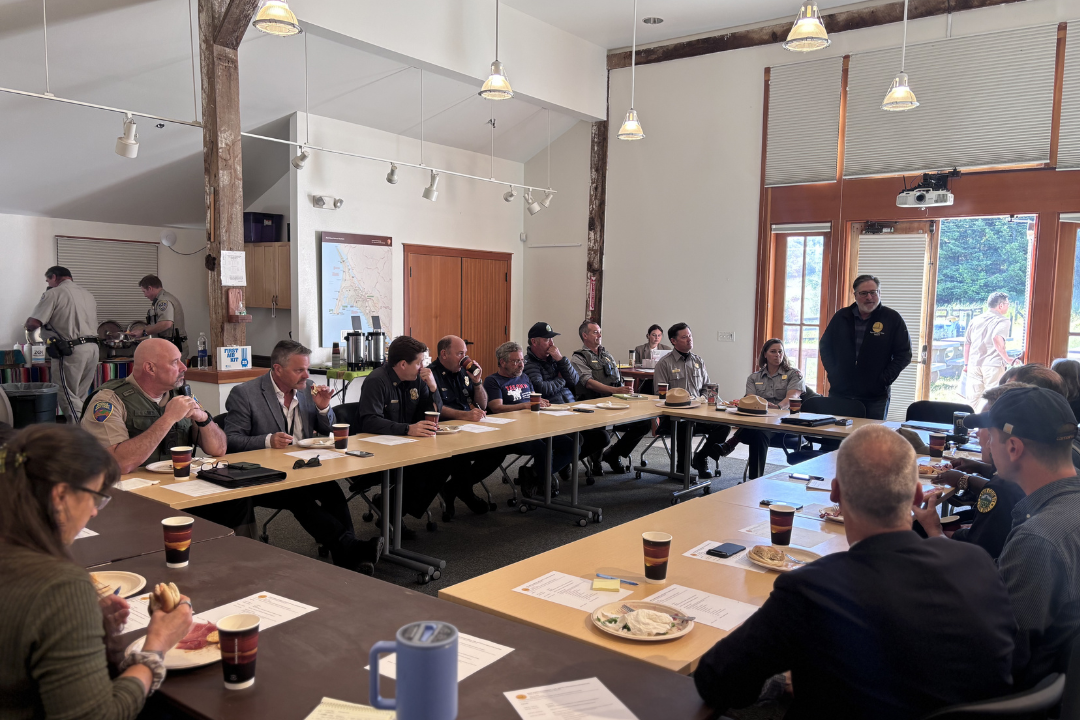 Supervisor Rodoni hosting District 4's annual West Marin First Responder Meeting
In this Issue:
|
|
Dear Friends and Neighbors,
As we move through May and begin to look ahead to summer, I’m reminded of how much our communities benefit when people come together to share ideas, build relationships, and work toward common goals. Over the past several weeks, I’ve had the opportunity to participate in events across District 4 that celebrated community, service, education, public safety, and the partnerships that make Marin such a special place to call home.
One of the highlights of last month was my office hosting our annual West Marin Emergency, Fire, and Safety Collaboration Meeting, where first responders and agency partners from local, state, and federal organizations gathered to strengthen coordination ahead of the summer and fire season. We discussed emergency preparedness, wildfire mitigation, ambulance and staffing resources, major infrastructure projects like the Green Bridge replacement, and ways to improve communication under a shared “One Team, One Mission” approach to protecting our communities. My office also hosted a Community Conversation in Corte Madera, where residents joined local leaders to discuss housing affordability, sea level rise, flooding, emergency response, and climate resilience. These conversations are essential to ensuring local voices help shape County priorities and solutions.
This spring brought important investments across District 4's community infrastructure. The Board approved funding to support construction of the new Muir Beach Firehouse, renovations to Enriching Lives through Music's new facility in San Rafael, improvements to Mesa Park in Bolinas, including a new shaded picnic structure, and the San Geronimo Valley Community Center's new Center for the Arts, helping create a maker space and supporting infrastructure improvements that will expand opportunities for arts, education, creativity, and community connection. Together, these investments reflect our commitment to strengthening community spaces, supporting emergency services, and creating places where residents can gather, learn, and thrive.
At the same time, we continue to protect the natural resources that define our coast. In May, the Board approved Marin County's participation in a regional Offshore Oil Coalition coordination effort, reaffirming our longstanding opposition to offshore oil drilling, deep-sea mining, and any actions that would weaken protections for our National Marine Sanctuaries and harm our coastline. From Stinson Beach to Point Reyes and beyond, our coastline supports extraordinary marine ecosystems, local economies, and cherished public lands. Working with partners across California, we will continue advocating for policies that protect our coast, address climate change, and preserve these resources for future generations.
Throughout April and May, I was inspired by the many organizations and community members working to strengthen Marin. From celebrating the Bolinas Community Land Trust's 40th anniversary and the Dance Palace Spring Dinner, joining the Conversation with Javier Zamora hosted by the San Geronimo Valley Community Center and Canal Alliance, these events highlighted the power of storytelling, cultural connection, and community partnership. I was also proud to support Día del Niño in Point Reyes Station, recognize student achievement through the Novato Inspirational Student Awards, and celebrate local entrepreneurs at Canal Alliance's inaugural Small Business Marketplace.
Thank you for continuing to engage, participate, and contribute to the strength of our communities. Whether through a public meeting, a volunteer effort, a community celebration, or simply helping a neighbor, each of us plays a role in building a more connected, resilient, and vibrant Marin County.
 Dennis Rodoni
County of Marin District 4 Supervisor
|
|
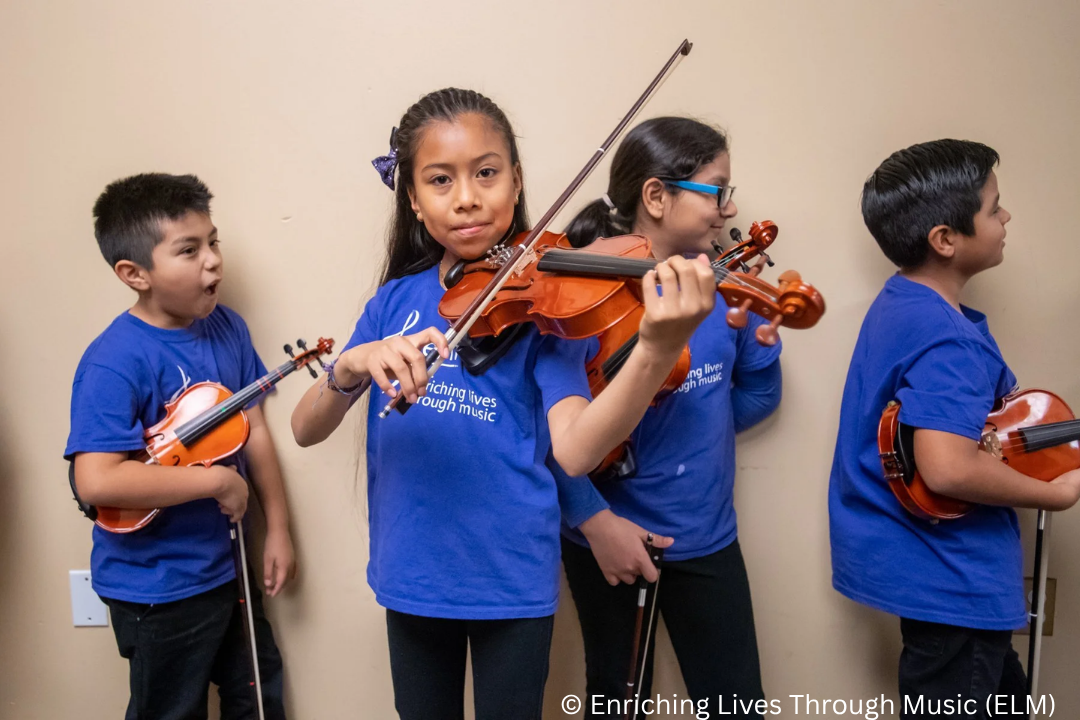
One of my priorities as your Supervisor has been bringing more County investment directly into District 4 communities. In 2023, I worked with my colleagues to create the West Marin Infrastructure Fund and the County's Community Infrastructure Funding pilot program to support partnerships between Marin County and local nonprofit organizations, public agencies, and community-serving groups. This is because many of the projects that our communities need, is led by local organizations and it's critical to have strategic County investments to help turn those ideas into reality.
Through these funds, the County contributes a match towards a project's total cost, helping organizations secure matching grants, private donations, and other funding needed to complete projects that benefit the public. The County funding is often the last dollars needed to finalize a project, and by helping close final funding gaps, these investments unlock much larger amounts of state grants, foundation support, private donations, and community fundraising.
This spring, the Board approved more than $820,000 in local infrastructure investments that are helping advance projects with a combined value of more than $17 million across District 4 and the Canal neighborhood.
These investments will create lasting benefits throughout our communities. In Bolinas, funding will help complete community office space at 31 Wharf Road and improve Mesa Park with a new playground and shaded gathering area. In Muir Beach, funding will help complete a new firehouse that strengthens emergency response and wildfire preparedness. In the San Geronimo Valley, support for the new Center for the Arts and STEAM Maker Space will expand educational, cultural, and workforce opportunities. In the Canal, improvements to Enriching Lives through Music will create a permanent home for free music education serving hundreds of local youth and families.
For me, these projects show what is possible when local organizations, community members, and government work together. These County dollars are not replacing community fundraising efforts, they are helping finish them. By serving as the final piece of a funding package, County investments make larger projects possible and bring millions of outside dollars into our communities. The result is stronger public spaces, better services, expanded educational opportunities, improved emergency preparedness, and healthier, more vibrant communities. I am proud of these partnerships and remain committed to ensuring District 4 continues to receive the investments needed to support residents today and for generations to come.
On June 8, the Board of Supervisors will consider adopting the County’s Fiscal Year 2026–27 Budget and Fiscal Year 2027–28 Financial Plan. This balanced budget protects important County services while helping Marin prepare for future challenges and changing community needs.
The budget includes about $902.6 million across all County programs and services. Marin remains in a strong financial position with healthy reserves and careful planning. However, slower property tax growth, changes in federal funding, and economic uncertainty mean the County must continue to spend responsibly and plan ahead.
A key goal of this budget is to make sure County spending is tied to the Board’s six priorities: housing and homelessness, racial equity, climate resilience, emergency preparedness, infrastructure, and economic vitality. County departments are expected to show how their work supports these priorities and how they are delivering results for residents.
Several investments will directly benefit District 4 communities. These include funding for the West Marin Infrastructure Fund, continued work on septic system policy updates through the Local Agency Management Program (LAMP), planning for the Woodacre and Marshall wastewater systems, and improvements to local roads. The budget also supports development of the new San Geronimo Fire Headquarters, improvements to facilities such as the Point Reyes restroom project, and continued investments in wildfire preparedness and emergency response. The County is also planning a future West Marin Mobile Services Van to bring County programs and services directly to rural communities.
The budget includes investments in technology to make County services easier to use. Projects include improvements to FixItMarin, online permitting systems, electronic filing tools, and upgrades to public-facing digital services. The budget also launches Marin County’s first Capital Improvement Program, which will help plan for more than $200 million in infrastructure and maintenance needs across the County.
In addition, the County is creating the Elevate Marin Transformation Office to help manage major projects, track progress, and improve accountability. These investments are designed to help departments work together more effectively and better serve residents.
This budget is about preparing for the future. By investing now in infrastructure, planning, technology, and public services, Marin County is working to keep communities safe, strong, and resilient for years to come.
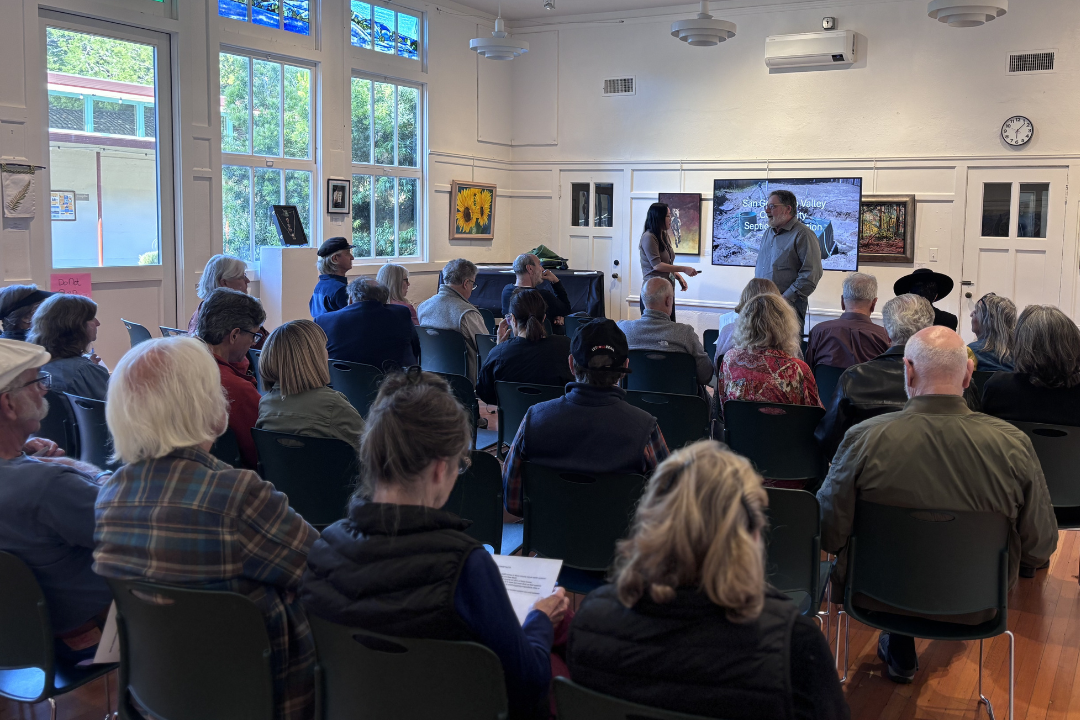
Marin County is continuing its effort to update the Local Agency Management Program (LAMP), the set of regulations that governs onsite wastewater treatment systems, commonly known as septic systems. The goal is to create a program that protects public health and water quality while better reflecting Marin’s unique geography, rural communities, and housing needs. The update also aims to improve transparency, reduce costs and permitting delays where possible, and address long-standing community concerns about the complexity and consistency of the current septic system regulations.
Over the past several months, County staff have been meeting with residents, technical experts, septic professionals, and community organizations to gather feedback on challenges and opportunities within the current system. Input received will help shape a locally tailored program that can replace the State’s default “one-size-fits-all” approach and better serve Marin residents. Community Development Agency staff plan to return to the community in mid-June and again in July to share what they have heard, provide updates on preliminary findings, and discuss potential policy directions before draft recommendations are developed.
Residents are encouraged to stay involved in the process. The County’s LAMP webpage includes information about upcoming meetings, recordings and summaries from previous community meetings, and a comprehensive Frequently Asked Questions section covering topics raised in the spring community meetings, that includes permitting, costs, inspections, alternative technologies, and program timelines. Community participation remains a critical part of developing a practical, effective, and responsive septic system program for Marin County.

Caltrans is preparing to begin the long-awaited replacement of the Lagunitas Creek Bridge (Green Bridge) on Highway 1 near Point Reyes Station. Built in 1929, the bridge no longer meets modern seismic and safety standards. The new bridge will provide wider shoulders, ADA-accessible sidewalks and curb ramps, and a new crosswalk connecting Highway 1 and Sir Francis Drake Boulevard, improving safety for pedestrians, cyclists, drivers, and emergency responders alike.
The project is expected to span approximately two years, with utility work beginning in June 2026 and construction starting shortly thereafter. During construction, travelers should expect periods of one-way traffic control, and a planned 21-day full bridge closure after Labor Day in September 2027 while crews complete critical work. The project is scheduled for completion in summer 2028 and will provide a safer, more resilient crossing that maintains this vital connection for West Marin residents, businesses, and visitors for decades to come.
🔗Learn more on Caltrans project webpage
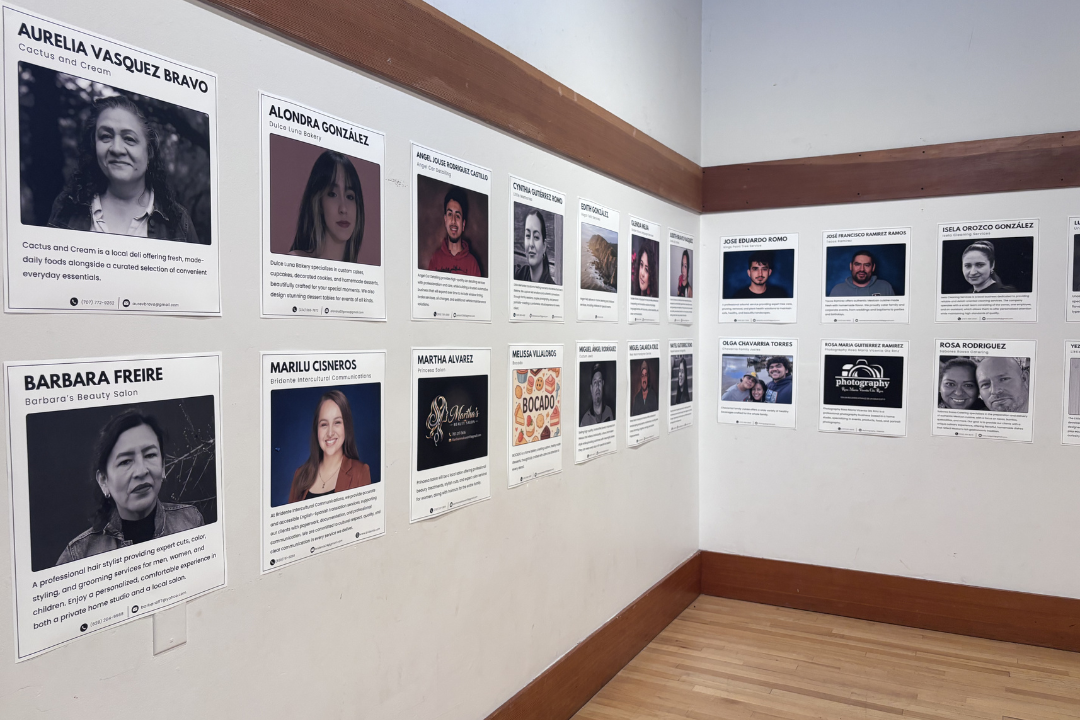
Do you have a business idea or want to grow an existing business? Applications are now open for the next Start Up West Marin program, a free business training opportunity for people who live or work in West Marin. The program provides more than $3,500 worth of training, mentorship, and support to help entrepreneurs strengthen their business skills, attract customers, manage finances, and build a plan for long-term success. Participants who complete the program may also become eligible to apply for grants of up to $5,000.
Program Details:
- 12 to 15 classes, once a week, offered in English
- Time: Every Thursday 6:00 – 8:30 pm, starting August 13th
- Location: Online via zoom and in-person in Point Reyes Station
- No cost: Free training (worth over $3,500) as part of the Marin County Microenterprise Support Program (MSP), with support from West Marin Fund to provide grants to eligible businesses.
The program is offered through the Marin County Microenterprise Support Program in partnership with the West Marin Fund. Applications are due July 17.
Whether you are launching a new venture or expanding an existing business, this is a great opportunity to gain practical skills, connect with other entrepreneurs, and invest in your future. Learn more and apply online today.
🔗Apply before July 17
Questions? Email jode@marinsbdc.org or call (415) 482-1819
|
|
In May, the Marin County Board of Supervisors advanced a broad range of initiatives focused on public safety, climate resilience, economic opportunity, government accountability, and support for families and youth. The Board also approved several actions benefiting West Marin communities while continuing to invest in programs and services that strengthen Marin County's long-term resilience and quality of life.
Public Safety and Emergency Preparedness remained a central focus as Marin continues preparing for future emergencies. The Board proclaimed Wildfire Awareness Week, approved a renewed wildfire suppression partnership with PG&E that provides access to an aerial firefighting helicopter during fire season, and accepted more than $1.3 million to expand the FIRE Foundry workforce development program. These investments strengthen wildfire prevention, emergency response capacity, and career pathways for young adults interested in public safety professions. The Board also proclaimed June as National Gun Violence Awareness Month and continued discussion of a proposed countywide public safety data-sharing platform to allow additional public review and ensure strong protections for privacy, transparency, and civil liberties before any future action is considered.
Economic Opportunity and Workforce Development were also important themes throughout the month. The Board received an update on the County's Microenterprise Support Program, a Race Equity Action Plan initiative that is helping entrepreneurs in West Marin, the Canal, Marin City, and Novato launch and grow small businesses through bilingual training, technical assistance, and one-on-one business advising. The Board also supported workforce development programs that connect young people with career pathways in public service, public health, emergency response, and technology. These investments help build economic resilience, create opportunities for local residents, and support a more inclusive local economy.
Equity, Youth, and Community Well-Being continued to be a priority through investments that expand access to services and opportunities. The Board approved a new youth mental health and arts program developed through the County's Race Equity Action Plan that will provide culturally responsive mental health support and creative arts programming for youth in the Canal neighborhood and Marin City. Additional actions expanded childcare assistance for foster families, strengthened support for foster youth advocacy programs, accepted opioid settlement funding to support youth prevention and treatment efforts, and expanded homelessness outreach and housing stabilization services. Together, these programs help address barriers to opportunity while strengthening support systems for residents across Marin County.
Climate Resilience and Environmental Stewardship continued to guide County actions throughout May. The Board approved Marin County's participation in the Save My Coast Coalition to oppose offshore oil drilling and deep-sea mining proposals that threaten California's coastline and marine ecosystems. We also welcomed Marin County's first Chief Climate Officer, a new leadership position that will coordinate climate adaptation, sea-level rise planning, and sustainability efforts countywide. Additional investments advanced stormwater infrastructure projects designed to improve water quality, reduce pollution entering local waterways, and strengthen resilience to future environmental challenges.
Government Accountability and Organizational Improvement also saw significant progress this month. The Board reviewed the proposed Fiscal Year 2026-28 budget, which prioritizes infrastructure, housing, disaster preparedness, climate resilience, and essential services while maintaining long-term fiscal stability. We also advanced efforts to modernize County operations through updated procurement policies, expanded public engagement and communications initiatives, new executive leadership appointments, and technology investments designed to improve transparency, responsiveness, and service delivery for Marin residents.
Together, these actions reflect a continued commitment to building a stronger, safer, and more resilient Marin County. From expanding economic opportunity and supporting youth success to protecting our environment and strengthening public safety, the Board's work in May focused on creating positive outcomes that benefit residents today while preparing our communities for the future.

Marin County is making important changes to how County government is organized so it can better serve residents and respond to community needs. The Board of Supervisors approved a new leadership structure that brings departments together into larger teams focused on shared goals. This new approach is designed to improve coordination, strengthen accountability, and help the County tackle big issues like housing, homelessness, climate change, wildfire preparedness, public safety, and economic opportunity.
As part of this effort, the County has hired three Assistant County Executives to oversee major areas of County government. Josh Swedberg will lead operations and resources, including finance, technology, and human resources. Chris Zapata will oversee community and environmental services, including housing, planning, and infrastructure. Dr. Lisa Warhuus will continue to lead Health and Human Services while also serving as an Assistant County Executive. In May, the County completed the leadership team by appointing Laura Rosas as Assistant County Executive for the Justice and Welfare Group, which includes departments such as the Sheriff, Probation, Public Defender, District Attorney, and Child Support Services.
The County has also appointed its first Chief Climate Officer, Dr. Nadia Seeteram. She will lead Marin’s Climate and Sustainability Division and help guide efforts related to sea level rise, climate resilience, environmental planning, and regional partnerships. This work is especially important for coastal communities that are already experiencing the effects of climate change.
In addition, Marin County selected John Alden as its first Inspector General. This new independent position was created to improve transparency, accountability, and public trust in the Sheriff’s Office. The Inspector General will review complaints, support the Civilian Oversight Commission, conduct independent reviews, and make recommendations to improve public safety services.
These new leadership positions are part of the County’s larger effort to improve service delivery, complete projects more efficiently, and make sure departments work together to solve complex challenges. By investing in stronger leadership and better coordination today, Marin County is building a stronger foundation for the future.

This month, the Board of Supervisors took two important actions to strengthen the future of local agriculture and support the farmers and ranchers who help define our region.
First, the Board approved up to $2.5 million to support construction of a permanent farmers market and Center for Food and Agriculture at the Marin Civic Center. This investment will help build key public improvements, including parking, stormwater treatment, accessibility upgrades, and safety improvements at the future market site. The project will create a year-round home for the Marin Farmers Market while expanding access to local food, agricultural education, workforce development, and community gathering space.
During Board discussion, I emphasized the importance of ensuring that Marin farmers and ranchers directly benefit from the County’s investment and invited Agricultural Institute of Marin (AIM) Executive Director Andy Naja-Riese to share AIM's plans to prioritize Marin-based producers as the market expands. AIM shared its commitment to creating additional opportunities for local farmers as well as their strong community partnerships with schools and ranches, and their business development support that helps producers grow their operations and reach new customers.
The project is expected to deliver significant economic benefits for Marin agriculture. AIM currently works with more than 270 regional farmers, ranchers, and food producers and estimates that the expanded facility could increase annual producer sales from $26 million to $32 million while supporting more than 190 jobs. The new facility will include covered stalls, cold storage, wash stations, educational space, and improved infrastructure that makes it easier for local producers to bring their products directly to consumers.
The Board also approved nearly $1 million in federal funding to help three West Marin organic dairies relocate and continue operating in Marin and Sonoma counties following the Point Reyes National Seashore settlement. Secured by Congressman Jared Huffman, the funding will provide approximately $316,000 each to the Robert McLelland Dairy (L Ranch), Spaletta Dairy (C Ranch), and Kehoe Family Farm (J Ranch). This assistance helps keep these historic dairy operations in the North Bay, protects local jobs, supports multi-generational ranching families, and preserves an important part of Marin’s agricultural heritage.
Together, these investments reflect a broader commitment to strengthening Marin’s local food system, supporting working lands, and ensuring agriculture remains a vibrant part of our economy and community. Whether helping local producers access new markets, creating opportunities for agricultural education, or supporting ranching families through times of transition, these efforts help preserve the agricultural traditions and economic vitality that make Marin unique.
|
|
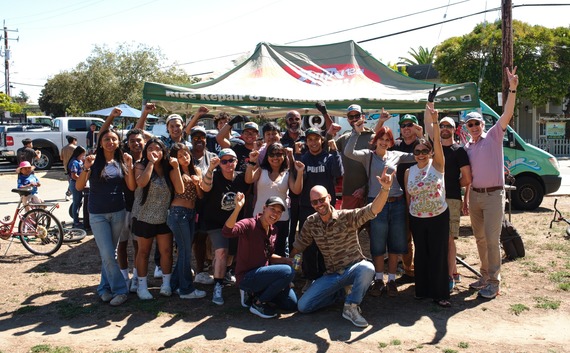
Funding Available for Community-Led Projects in Marin, Applications Due June 30
Marin County is now accepting applications for its Community Grants & Investment Program, offering funding for one-time projects and events that strengthen communities and support County priorities. Nonprofit and community-based organizations can apply for grants ranging from $1,000 to $50,000, with a total of $1.15 million proposed for the program in the County’s 2026–27 budget.
The program is designed to support creative, community-driven solutions that benefit Marin residents. Eligible organizations have until June 30 to apply. Projects should align with County goals and demonstrate meaningful community impact, with preference given to collaborative efforts involving multiple partners. Funding cannot be used for ongoing operations, fundraising, or political or religious activities.
Organizations interested in applying can find program details, eligibility requirements, and application materials on the County’s funding opportunities webpage. Funding recommendations will be presented to the Board of Supervisors this fall, with awarded projects taking place between July 2026 and June 2027.
🔗 Learn more online and apply today!
Participatory Budgeting Returns: Share Your Ideas for a More Equitable Marin
Marin County is inviting residents to help decide how $2.5 million in public funds should be invested through the second cycle of Participatory Budgeting (PB), a community-driven process that puts decision-making directly in the hands of the people. Led by the County’s Office of Equity, Participatory Budgeting gives residents the opportunity to identify local needs, develop solutions, and vote on projects that will strengthen neighborhoods and advance racial equity.
From now through August, community members are encouraged to share ideas by answering two simple questions: How would you use $2.5 million to improve your community? and How would you use $2.5 million to advance racial equity? Anyone age 14 or older who lives, works, or attends school in Marin County can participate, regardless of immigration status. Ideas can be submitted online through an interactive map or at community events throughout the county.
The first cycle of Participatory Budgeting demonstrated the power of community-led decision-making, with more than 3,600 residents voting to fund 24 projects, including youth programs, climate resilience initiatives, and cultural arts activities. This new cycle is another opportunity to shape Marin’s future and ensure public investments reflect the needs and priorities of the communities they serve. We encourage everyone to participate and make their voice heard.

Western Weekend June 6 and 7th
One of West Marin’s most beloved traditions returns on June 6–7 as Western Weekend takes over downtown Point Reyes Station with two days of community celebration, local culture, and family-friendly fun. The weekend is a chance to come together with neighbors, friends, and visitors to celebrate the people, history, and rural character that make West Marin such a special place to call home.
Festivities begin on Saturday, June 6, with the “Wild West” Farmers Market at Toby’s Feed Barn featuring local farmers, artists, and makers, followed by shopping, gallery visits, and the always-popular Barn Dance at the Dance Palace. On Sunday, June 7, Main Street comes alive with the iconic Western Weekend Parade beginning at noon. Arrive early to enjoy live music, local food vendors, community booths, colorful floats, horses, vintage vehicles, dancers, and marching bands. Whether you’re a longtime resident or visiting for the first time, Western Weekend is a wonderful opportunity to experience the spirit, creativity, and connection that define West Marin.
Closer to Home: Fire Safe Marin Special Guest on June 10th in West Marin
Need help with a building permit, road issue, community planning question, public safety concern, or County service? Join us for Closer to Home on Wednesday, June 10, from 2:00–6:00 PM at the West Marin Health and Human Services Center in Point Reyes Station. This monthly program brings County departments directly to West Marin, making it easier for residents to access services without traveling to San Rafael.
Special Guest June 10th, Fire Safe Marin.
Residents can get help from County staff at these monthly events hosted by County of Marin / District 4 / Supervisor Dennis Rodoni. In June, Fire Safe Marin's Community Ambassadors will be available to answer questions about wildfire prevention & preparedness.
Representatives from the Community Development Agency, Department of Public Works, District Attorney, Public Defender, Probation Department, and the Office of the County Executive will be available to answer questions and provide assistance. This month, staff from State Senator Mike McGuire’s and Assemblymember Damon Connolly’s offices will also be on hand to help with state-related issues, including questions about agencies such as the DMV and EDD. In addition, Fire Safe Marin will be available to share wildfire preparedness resources and strategies to help keep homes and neighborhoods safe.
Stop by, ask questions, and connect directly with the people who can help.
June 10, 2026
2:00 pm – 6:00 pm
West Marin Multi-Services Center
1 6th Street, Point Reyes Station, CA 94956
Celebrate Pride at the Read With Pride Festival
Join the Marin County Free Library and San Rafael Public Library for the annual Read With Pride Festival on Sunday, June 14, from 10:00 AM to 1:00 PM at the Marin County Civic Center Farmers Market. This free, family-friendly event celebrates Pride Month with a morning of fun, learning, and community for all ages. Enjoy storytime, crafts, face painting, Kid Zumba, music from DJ Destro, a community scavenger hunt, and visits from the Marin County Free Library’s Learning Bus and Bookmobile. Community organizations will also be on hand to share resources and information. Bring the whole family and join us for a joyful celebration of inclusion, literacy, and community spirit.
June 14, 2026 10:00 am – 1:00 pm
Marin County Civic Center Farmers Market
🔗Learn More Online
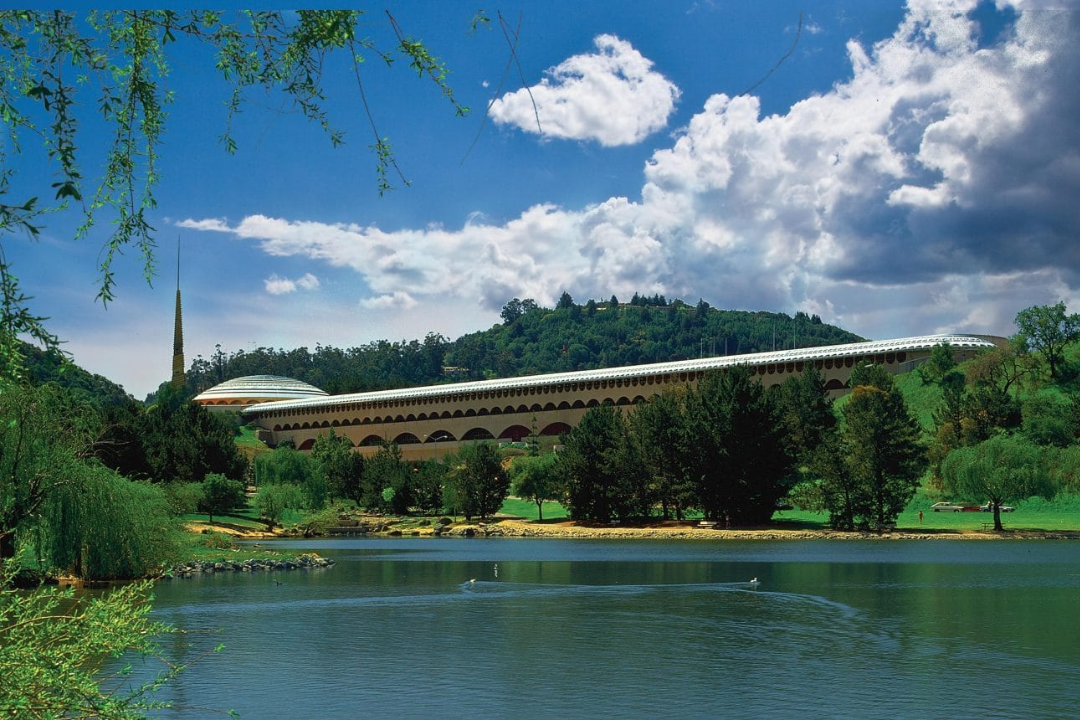
Explore Marin’s Architectural Treasure: Frank Lloyd Wright Civic Center Tours
Discover one of Marin County’s most iconic landmarks with a guided tour of the Frank Lloyd Wright-designed Marin County Civic Center. Designated as both a state and national historic landmark, the Civic Center is widely regarded as one of Wright’s most significant public works and a masterpiece of modern architecture. During this 90-minute tour, visitors will learn about the building’s history, design, and lasting influence on architecture and public spaces. Tickets are $10 for adults and $5 for seniors and students. No reservations are required for individuals, and groups of 10 or more can arrange a private tour through the Marin Center Visitor Services Office.
Docent-led tours are offered every Wednesday and Friday at 10:30 AM
Meet at the Café on the second floor
3501 Civic Center Drive, Room 233
San Rafael, CA 94903
Celebrate at the Marin County Fair, July 1–5
Join the tradition at the Marin County Fair, returning July 1–5 with this year’s theme, Stars, Stripes & Stories. As America celebrates its 250th anniversary, the Fair will honor the people, cultures, and experiences that make our community unique. Enjoy five days of family fun featuring rides, live entertainment, agricultural exhibits, hands-on activities, delicious food, and spectacular nightly fireworks. The Fair also continues its commitment to sustainability and inclusion, creating a welcoming experience for visitors of all ages. We hope to see you there!
|
|
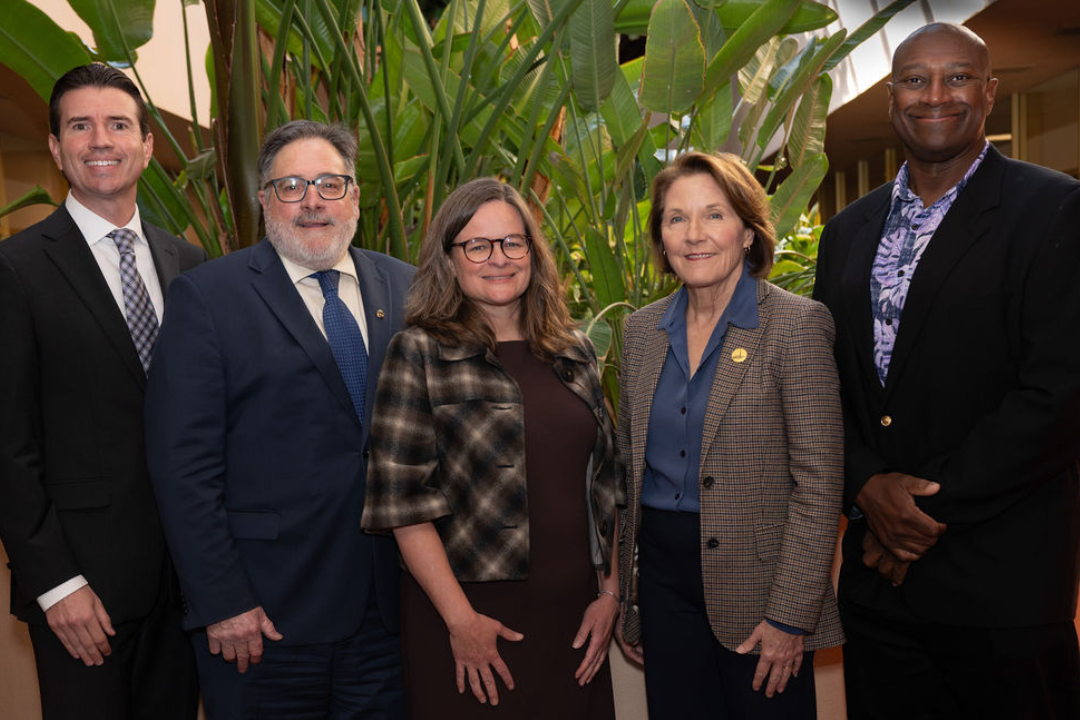
Your voice matters in shaping Marin’s future!
The 2026 Board of Supervisors Calendar is online.
Meetings generally begin at 9:00 AM. Community members are encouraged to participate in person, online, or by phone. It’s a great opportunity to stay informed, share your input, and engage with local government.
Work for the County of Marin
Marin County is looking for creative, dedicated individuals committed to public service and community impact. With a wide range of job opportunities available, now is a great time to explore a career in local government. The County is an Equal Opportunity Employer and encourages applicants of all backgrounds, including people of color, women, and individuals with disabilities to apply.
Explore Job Openings
Volunteer for a Board or Commission
Marin County is seeking residents to serve on a variety of boards and commissions that help shape local policies and programs. These bodies play a vital role in ensuring transparency, community input, and effective use of public resources. If you’re passionate about local issues and want to make a difference, now is a great time to get involved.
Marin Couty District 4 Team
Supervisor Rodoni, elected in 2016, and re-elected in March 2024, represents the residents of District 4 in the County of Marin. District 4 is the most geographically diverse district in the county, including coastal West Marin from
Dillon Beach to Muir Beach and Homestead Valley; inland agricultural and rural areas of Nicasio, Chileno Valley, San Geronimo Valley, and west Novato; and bayside and urban areas of east San Rafael, San Quentin, Corte Madera, and Larkspur.
County of Marin District Map
Supervisor Rodoni is one of five Supervisors responsible for the function of county government, serving as the governing board of the County Free Library and of many special districts such as Parks & Open Space District, Transit District, and the Housing Authority. The Board passes all ordinances governing the county and is responsible for seeing that mandated functions are properly discharged. The Board adopts the County budget; sets employee salaries and directs a wide variety of services to county residents.
|
|
|
Dennis Rodoni
District 4 Supervisor
(415) 473-7331
Email Dennis
|
|
|
As part of my goals for a more accessible and transparent government, District 4 aides are available for in-person assistance in West Marin twice weekly.
Monday, Point Reyes Station, Fernando Barreto
Friday, Point Reyes Station, Morgan Patton
Learn more on our District 4 webpage.
|
|
|
|
|
|
|