| |
Trouble viewing, view as webpage
In this Issue:
- Low-Interest Loans Now Available to Help Cover January Storm Losses, April 6th Deadline
- Help Shape Marin’s Updated Septic Regulations (LAMP), April 2nd, 28th, 30th, & May 13th
- West Marin Connect: Job Opportunities and Community Resources in One Place April 11th
- New Fire Headquarters: Join the Community Meeting April 21st
- Lagunitas (Green) Bridge Replacement Project Update
- Rodoni Reports: Delivering on Key Priorities for Marin
- Standing for Inclusion, Rights, and Community in Marin
- TRUTH Act Forum Highlights Transparency and Community Voices
- Federal Funding Advances Workforce Housing in West Marin and Beyond
- County Department Updates: FixItMarin App, Vision Zero Plan, Chipper Days, Breathe Respira Grants Open, and Participatory Budgeting Committee
- Get Involved: Join Us for Board of Supervisors Meetings
- Serve Your Community: Work or Volunteer for the County
|
|

Dear Friends and Neighbors,
As we move through March and welcome the first days of spring, I’ve been grateful for the many opportunities to connect with our communities across District 4. This season of renewal is also a time to reflect on the people and movements that have shaped our communities. During Women’s History Month, we recognize the leadership and contributions of women across Marin, and on United Farm Workers Day, we honor the legacy of farmworkers who continue to sustain our agricultural communities and local economy.
Over the past several weeks, I’ve had the chance to meet with residents, partners, and organizations across the County; from hosting Caltrans to discuss the future of the Lagunitas (Green) Bridge replacement, to celebrating the opening of the College of Marin’s Dr. David Wain Coon Center for Student Success. My office joined community members at events like the San Geronimo Valley Community Center Annual Gala, Vivalon’s annual gathering, the Emprende West Marin graduation, and the Marin Chinese Cultural Association Lunar New Year celebration. I also appreciated the opportunity to engage in conversations about our local economy, infrastructure, and community needs through meetings, site visits, and public forums across the district.
These gatherings are more than events, they are opportunities to listen, learn, and strengthen relationships. Whether it’s discussing infrastructure and water issues with residents in San Quentin Village, participating in wastewater (LAMP) meetings in West Marin and Muir Beach, or visiting important housing sites with community partners, each conversation helps guide the work we do at the County.
Looking ahead to April, there are many opportunities to stay engaged. I encourage you to join upcoming community meetings on septic (LAMP) updates, participate in public input opportunities like the Vision Zero Action Plan for safer roads, and attend events like West Marin Connect at the Dance Palace. These gatherings help ensure that your voice continues to shape the future of our communities.
Thank you to everyone who has taken the time to attend a meeting, share input, or connect with our office. Your voices guide this work. I look forward to continuing these conversations and building a strong, connected future together.

Dennis Rodoni
County of Marin District 4 Supervisor
|
|

Following the severe storm surges, flooding, and king tides that impacted Marin County from December 31, 2025 through January 5, 2026, federal disaster assistance is now available. As of February 13, low-interest disaster loans from the U.S. Small Business Administration (SBA) are available to businesses, private nonprofits, homeowners, and renters to help repair or replace property damaged by the storms. This includes real estate, equipment, inventory, and business assets, as well as personal property such as furniture, clothing, vehicles, and appliances.
According to the SBA, eligible applicants can borrow to repair, or replace disaster-damaged or destroyed real estate, machinery and equipment, inventory and other business assets. Homeowners and renters may borrow to replace or repair personal property such as clothing, furniture, cars, and appliances.
The application deadlines are April 6 for loans to cover physical damage and November 3 to cover economic injury. Those seeking relief can apply on the SBA website[External], call (800) 659-2955, or email the SBA customer service staff.
Those who live or work in Marin are urged to register for AlertMarin, to receive local emergency notifications. Signing up for AlertMarin will prompt real-time updates during critical incidents. For additional resources and tips about how to get prepared before the next emergency, visit ReadyMarin.org.
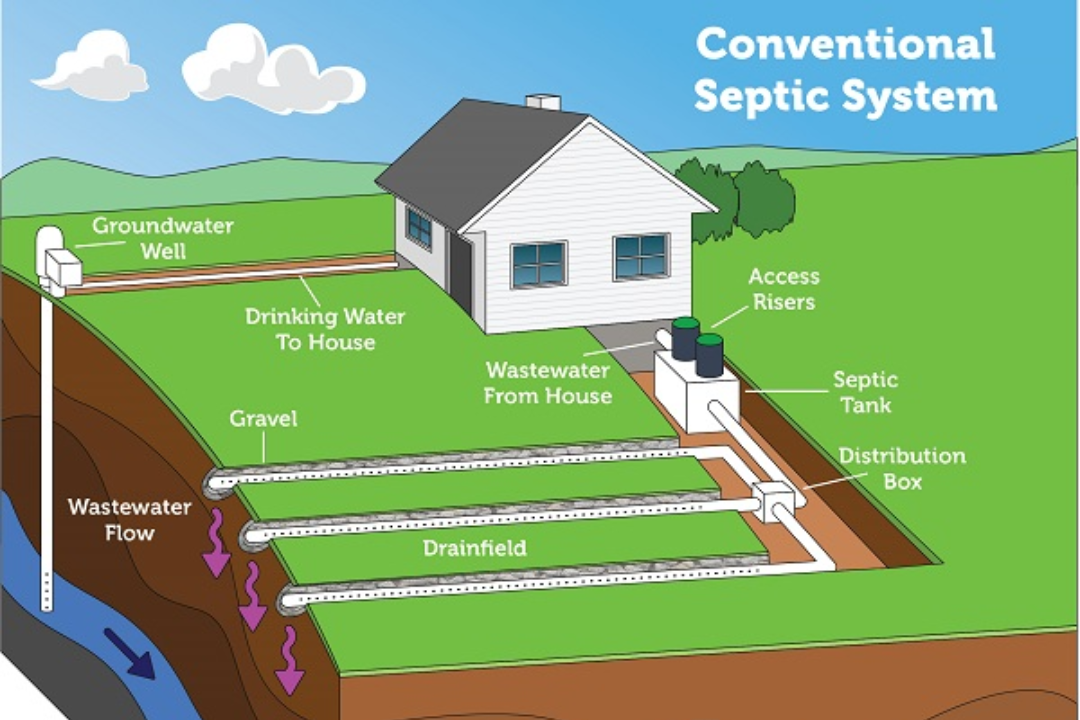
Marin County is updating its septic system rules, known as the Local Agency Management Program (LAMP), and community input is a key part of the process.
Septic systems play an important role in protecting public health, safeguarding water quality, and supporting housing and development, especially in rural areas. The County is inviting residents to share their experiences, what’s working well, what’s confusing, and what could be improved, as part of this update.
A series of community meetings and drop-in sessions are being held across the county to gather feedback, answer questions, and provide updates on goals and timelines.
Your voice matters in shaping practical, clear, and effective regulations for Marin’s future.
- April 2, 2026
6:00 pm – 7:30 pm
Countywide Online Meeting
-
April 28, 2026
6:00 pm – 7:30 pm
Margaret Todd Senior Center, Hill Community Room
560 Hill Road, Novato
- April 30, 2026
6:00 pm – 7:30 pm
San Geronimo Valley Community Center, Valley Room
6350 Sir Francis Drake Blvd., San Geronimo
- May 13, 2026
6:00 pm – 7:00 pm
Bolinas Firehouse
100 Mesa Road, Bolinas
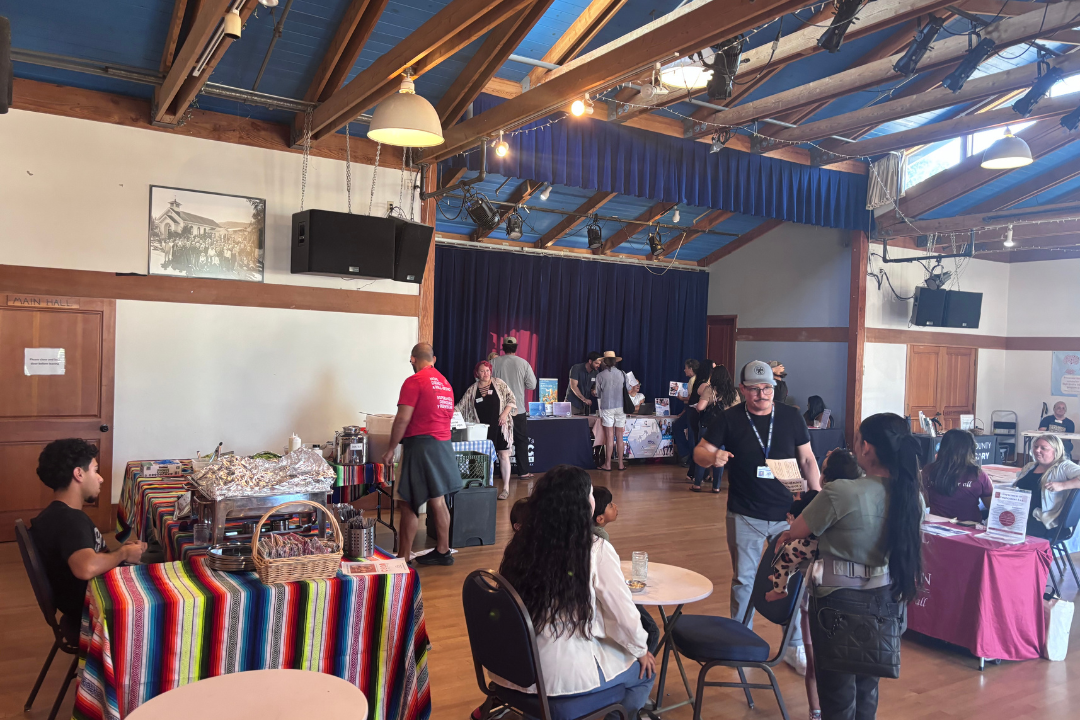
Join us for West Marin Connect on Saturday, April 11, 2026, from 4:00–6:00 PM at the Dance Palace in Point Reyes Station. This free, family-friendly event brings together local employers, community organizations, and job seekers to connect residents with opportunities and resources right here in West Marin.
Whether you’re looking for a new job, exploring career paths, or simply want to learn what’s available in your community, this event is for you. Meet directly with local employers, ask questions, and discover programs that support workforce development, education, and economic opportunity. In addition to job connections, there will be free food, live music, prizes, and activities for kids, making it a welcoming space for the whole family.
April 11, 2026
4:00 pm – 6:00 pm
Dance Palace
503 B Street, Point Reyes Station
This event reflects our commitment to strengthening local economies and ensuring that residents have access to meaningful opportunities close to home. We hope you’ll join us for an afternoon of connection, community, and possibility.
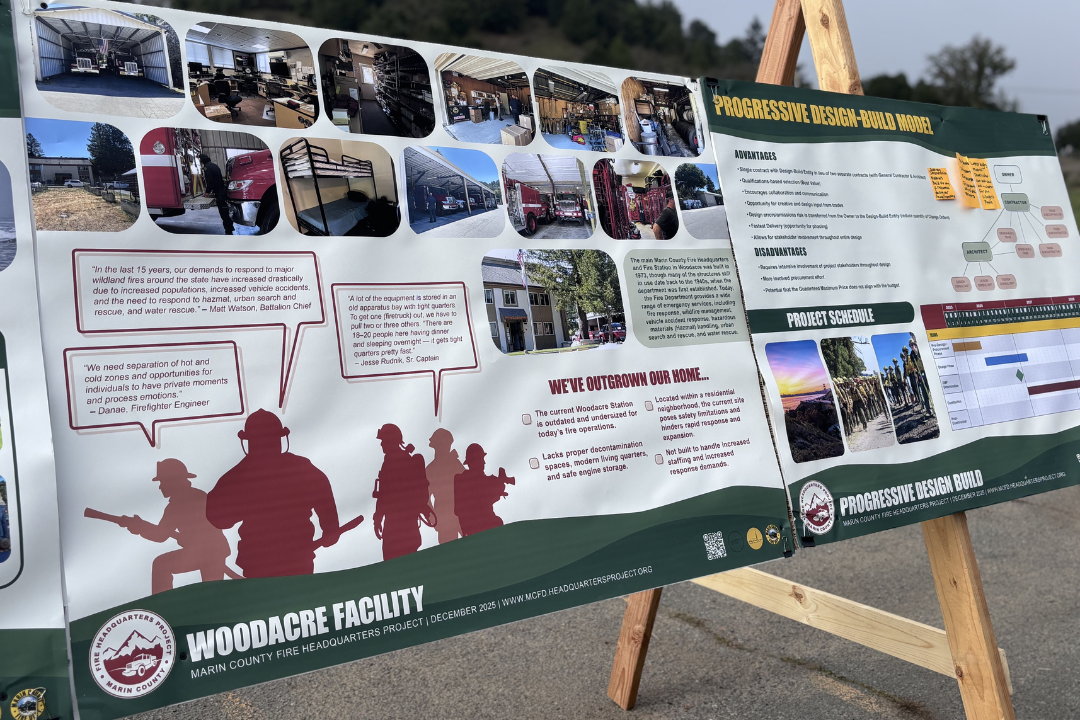
Marin County Fire is moving forward with plans for a new Fire Station and Headquarters at the San Geronimo Commons, a project designed to modernize emergency response and better serve West Marin. The new 25,000-square-foot facility will replace the aging Woodacre site and support critical services including firefighting operations, training, and specialized teams like Urban Search and Rescue and Swiftwater Rescue. Built to today’s safety standards, the new station will also prioritize firefighter wellness with improved facilities, helping recruit and retain the dedicated crews who serve our community.
The project will be located on a defined portion of the Commons known as the Clubhouse Parcel, while surrounding open space, creeks, and trails will remain protected under a conservation easement and continue to be managed by Marin County Parks. County staff are working closely with Parks and the community to ensure the project fits thoughtfully into the natural environment while also addressing local priorities such as safe routes to school, trail access, and community space.
Community input continues to play an important role in shaping this project. Residents are invited to join an upcoming virtual public meeting on:
April 21, 2026
6:00 pm – 7:00 pm
Online
To learn more about the timeline, progress, and design considerations. The meeting will include a presentation followed by Q&A, with opportunities to submit questions during the session. Spanish interpretation is available upon request.
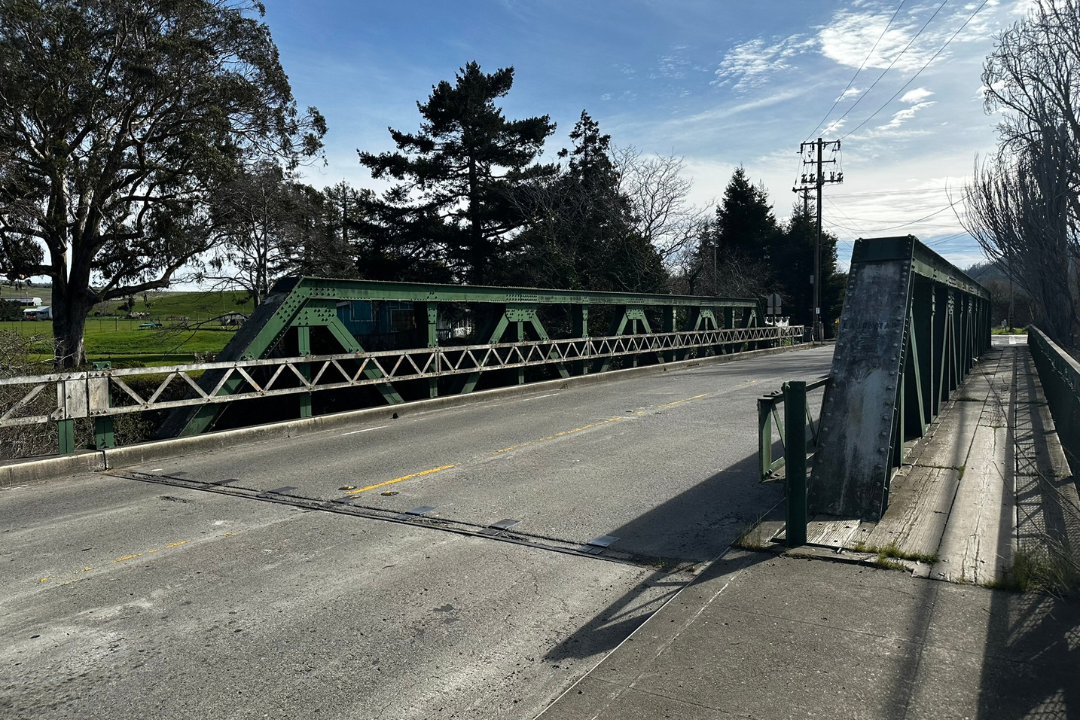
The long-planned Lagunitas Creek Bridge Replacement Project on Highway 1 near Point Reyes Station is moving forward with construction expected to begin in late spring 2026. The existing “Green Bridge,” originally built in 1929, no longer meets modern safety and seismic standards. The new bridge will include wider shoulders, ADA-accessible sidewalks and curb ramps, and a new crosswalk at Sir Francis Drake Boulevard, improving safety and access for pedestrians, cyclists, drivers, and emergency responders. This project is a critical investment in maintaining safe and reliable connectivity for West Marin.
Construction will bring temporary impacts, including one-way traffic control beginning in late spring and a planned 21-day full closure of the bridge after Labor Day 2026, with crews working around the clock during that period. The full project is expected to be completed by summer 2028, including environmental restoration work.
Supervisor Dennis Rodoni’s office is working closely with Caltrans to ensure the community is informed and engaged throughout the project. This includes advocating for expanded outreach, such as a dedicated project newsletter, an updated website with timelines and alerts, a public meeting once a contractor is selected, and regular monthly coordination with the Supervisor’s office. As this essential project moves forward, staying connected and informed will be key to minimizing impacts and supporting our community through construction.
|
|

March Board actions reflected several of Supervisor Rodoni’s core priorities: housing, economic development, infrastructure, health and safety, environmental leadership, and accessible government.
The Board also focused on improving everyday services and infrastructure. Progress continues on the Bellam Boulevard off-ramp project, which will reduce congestion and improve traffic flow in a key corridor. In West Marin, a new agreement with Recology balances a modest rate increase with improved services like expanded organics collection, better recycling programs, and community benefits such as compost giveaways and education.
The Board continued to support broadband through the Shoreline Connectivity Project for underserved West Marin families, and backed efforts to modernize the County’s procurement system and improve operations in Public Works and the Community Development Agency. These steps are all about making government work better while laying the groundwork for safer roads, more housing, and stronger community-serving systems.
The County also advanced stormwater infrastructure projects to improve water quality and reduce pollution, while a library staffing reorganization will strengthen local branches, expand programs, and improve access for residents across Marin.
March also underscored priorities around health, safety, climate leadership, and accessible government. The Board extended major health and human services contracts to avoid disruption in care, supported child advocacy and foster youth programs, funded emergency shelter and rapid rehousing services, and continued investments in election security.
On the environment, the Board authorized ongoing beach water quality monitoring, and approved partnership with Caltrans and North Bay Conservation Corps for roadside litter, weed, and fuel reduction work along state highways in West Marin.
Together, these actions reflect Rodoni’s broader vision: a Marin where government is responsive, communities are resilient, and public investment helps residents thrive.
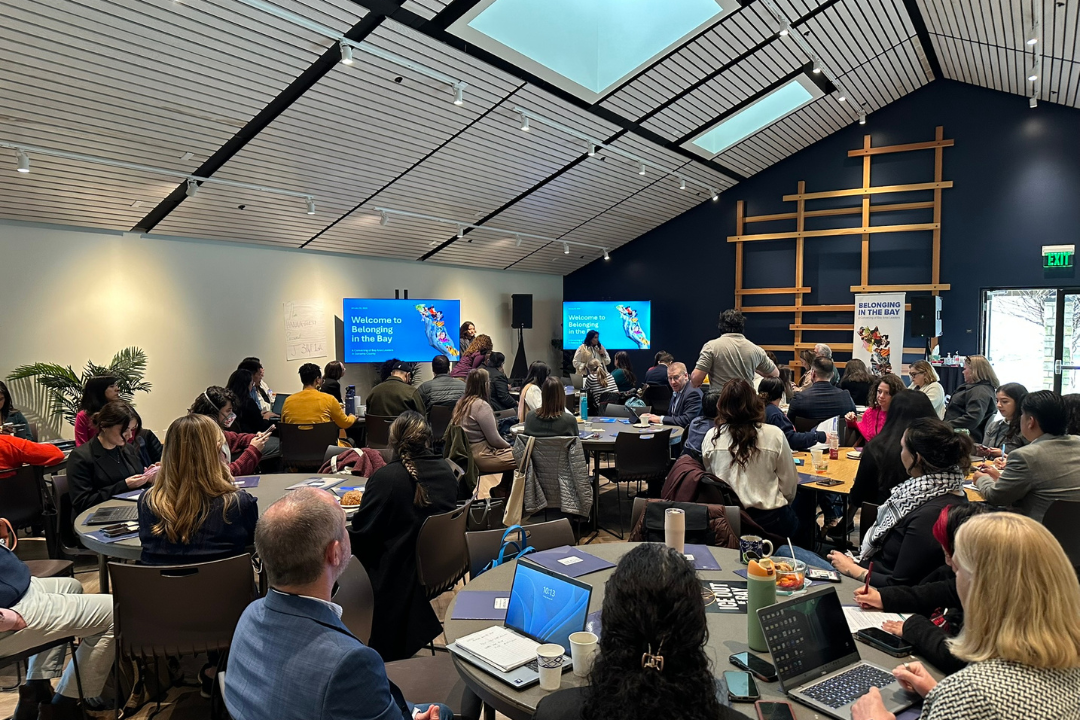
This year, Supervisor Rodoni continues to affirm his commitment to democracy, immigrant communities, and the rule of law.
He joined the Marin Rapid Response Network volunteer community in February to recognize the volunteers and legal observers who support families and ensure constitutional protections are upheld. Their work provides critical, real-time information and assistance during moments of uncertainty and reflects the strength and compassion of Marin’s community.
Supervisor Rodoni is also a member of Belonging in the Bay, a regional partnership of Bay Area counties working together to advance inclusion and protect immigrant communities. Through this effort, local leaders signed a multilingual joint statement affirming that everyone deserves dignity, safety, and a sense of belonging, regardless of immigration status. This collaboration reflects a shared commitment to building community trust and resilience across the region.
In alignment with community values, the County has proposed removing funding from the State Criminal Alien Assistance Program (SCAAP) in the 2026–2028 budget after hearing concerns from residents and advocates. Marin County remains compliant with state law, including SB 54, and does not participate in immigration enforcement. The County has also committed $500,000 for immigration support services and joined legal efforts to challenge harmful federal actions. Together, these steps reinforce Marin’s commitment to equity, safety, and standing with all residents.

On March 5, the Marin County Board of Supervisors held its annual TRUTH Act Community Forum, providing an important opportunity for residents to review data and share feedback on interactions between the Marin County Sheriff’s Office and federal immigration authorities.
The forum, required under state law, is designed to promote transparency, accountability, and public dialogue. The forum is designed to ensure transparency and accountability, while giving residents a chance to hear directly from the Sheriff’s Office and share their perspectives.
During the presentation, Sheriff’s Office staff explained how these interactions work under California law. They emphasized that Marin does not enforce federal immigration laws, does not conduct immigration sweeps, and does not ask about immigration status. In 2025, the Marin County Jail received 141 ICE information requests, with 23 notifications issued in cases that met strict state criteria tied to serious or violent offenses.
The meeting drew strong community participation, with residents expressing a range of perspectives—some calling for stronger limits on any cooperation with ICE, while others emphasized public safety considerations. The conversation highlighted a shared concern around fear and uncertainty in immigrant communities, as well as the importance of clear communication and continued policy review. The forum remains a key space where community members can raise concerns, ask questions, and help shape how Marin balances safety with its commitment to protecting immigrant residents.
Supervisor Rodoni thanked residents for showing up and speaking out, emphasizing that their voices are critical in shaping County policy. He underscored that changes in how policies are implemented must continue to be responsive to community concerns and encouraged ongoing evaluation of practices to better protect residents while maintaining access to necessary information for victims and families. Rodoni reiterated his goal of reducing ICE-related activity to zero in Marin, noting that the Board will continue working together, listening closely, and making adjustments to ensure policies reflect the values of safety, dignity, and trust across all communities.

Marin County is set to receive $2.2 million in federal funding for workforce and affordable housing projects in District 4 through the Transportation, Housing and Urban Development (THUD) appropriations bill. This investment reflects years of coordinated advocacy to bring federal resources home to address one of Marin’s most pressing challenges—housing affordability. The funding includes $2 million for the Point Reyes Workforce Housing Development, led by the Community Land Trust Association of West Marin (CLAM) in partnership with the County, as well as $250,000 for the Oak Hill Workforce Housing Project near San Quentin Village.
The Point Reyes project will provide both interim and long-term housing solutions for residents facing displacement, helping preserve the social and economic fabric of rural Marin.
“These investments come at a critical time,” said Supervisor Rodoni. “As West Marin navigates the impacts of ranching and dairy closures, this funding helps ensure that the people who work here—farmworkers, teachers, and service workers—can continue to live here, raise their families, and support our local economy. This is a powerful example of what we can accomplish when community, County, and federal partners work together.”
The additional funding for the Oak Hill Workforce Housing Project will help move the development closer to construction in 2026.
“Oak Hill represents a meaningful investment in housing for the people who serve our communities every day,” Rodoni added. “Federal support like this helps turn years of planning into real homes on the ground.” This marks Marin County’s sixth consecutive year securing federal earmark funding, with past investments supporting childcare safety, local agriculture, infrastructure, and community improvements across the county.
|
|

FixItMarin Now Live Countywide in Unincorporated Marin
Marin County’s official issue reporting tool, FixItMarin, is now available to residents in unincorporated areas, making it easier than ever to report non-emergency concerns online or from a mobile device. Whether it’s a pothole, illegal dumping, a fallen tree, flooded roadway, broken streetlight, damaged street sign, or a maintenance issue in parks and open spaces, residents can submit a request anytime through the website or app. Users can upload photos, pinpoint locations, and track updates in real time as County crews work to resolve the issue.
The launch follows a successful pilot program in fall 2025 across five communities, including the San Geronimo Valley, where residents helped test and refine the platform. The tool improves coordination across departments and strengthens communication between the County and the public. FixItMarin is designed for non-emergency issues only—for urgent threats to life or property, residents should call 911.
Download the app on the App Store or Google Play, or visit FixItMarin.com to submit a report and share feedback.
Help Shape Safer Streets in Marin: Vision Zero Action Plan
Marin County is taking an important step toward safer roads with the development of its Vision Zero Action Plan, a commitment to eliminating traffic deaths and serious injuries on local roadways. This plan will identify high-risk corridors, prioritize safety projects, and outline practical strategies—from infrastructure improvements to policy changes—to better protect pedestrians, cyclists, and drivers. At its core, Vision Zero recognizes that while mistakes happen, they should never result in serious harm or loss of life.
Community input is essential to this effort. Residents are encouraged to share locations where safety improvements are needed—whether it’s a dangerous intersection, roadway, or neighborhood concern. Your feedback will help guide investments and build a “safety first” culture across Marin. The survey is open through mid-April 2026, and all voices are welcome.
Get Ready for Fire Season: Marin Wildfire Chipper Program Returns
Marin Wildfire’s popular Chipper Program is back, offering free curbside pickup, chipping, and disposal of vegetation to help residents create safer, fire-ready properties. Running from April through November, this program makes it easy to clear defensible space and reduce wildfire risk—right from your curb.
Last year was a record-breaking season, with over 5,000 pickups and nearly 19,000 cubic yards of vegetation removed—a major step in reducing fire fuel across Marin. Be sure to register early, as spots fill up quickly.
Grants Open to Connect More Residents to Marin’s Parks
Marin County is now accepting applications for the Breathe/Respira Community Grant Program, offering up to $200,000 in Measure A funding to help community organizations connect residents to the outdoors. Grants of up to $10,000 are available to support programs that reduce barriers and create meaningful experiences in Marin’s parks and open spaces. For more than a decade, this program has helped thousands of residents access nature through wellness activities, education, and recreation.
This year’s funded programs highlight the impact of these grants. Organizations like the Marin City Health and Wellness Center are leading therapeutic outdoor programs for seniors and residents with chronic health conditions, while WildCare is offering nature-based learning for local students. In the Canal neighborhood, youth are gaining access to sports and recreation through programs at Pickleweed Park. These partnerships help ensure that residents of all ages, backgrounds, and abilities can enjoy Marin’s natural spaces—and are more likely to return with family and friends.
Community-based organizations are encouraged to apply by May 8. Projects should focus on serving underserved communities and expanding access to outdoor experiences. Grant recommendations will be announced this fall following review by Marin County Parks and the Parks and Open Space Commission.
County Seeking Applicants for the Participatory Budgeting Committee
The Marin County Office of Equity is launching Cycle 2 of Participatory Budgeting (PB)—a powerful opportunity for residents to directly decide how $2.5 million in public funds will be spent on projects that advance equity and improve neighborhoods. Participatory Budgeting puts real decision-making power in the hands of the community, helping ensure that investments reflect local needs, priorities, and lived experiences.
To guide this process, the County is seeking applicants for the Participatory Budgeting Committee (PBC). Residents ages 14 and older who live, work, or attend school in West Marin, Novato, Marin City, or the Canal Area are encouraged to apply.
Committee members will help lead outreach, encourage community participation, and review project proposals to shape the final ballot. This is a paid volunteer opportunity ($50 per meeting), with up to seven meetings held mostly online through March 2027.
Be part of shaping Marin’s future—your voice matters.
|
|
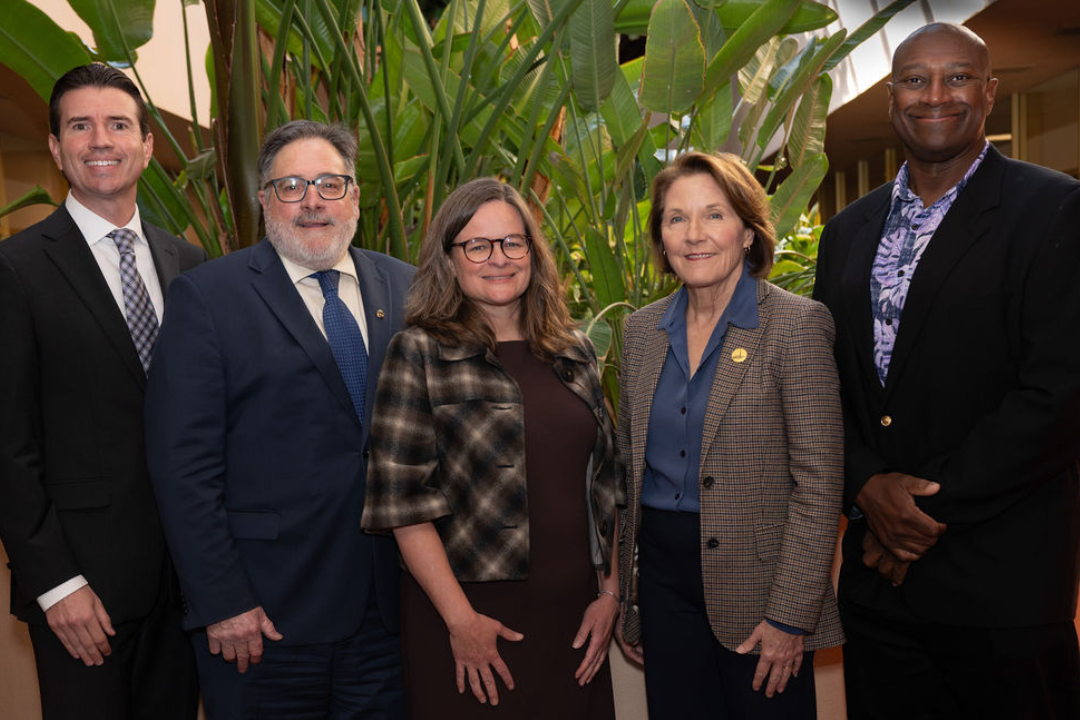
Your voice matters in shaping Marin’s future!
The 2026 Board of Supervisors Calendar is online.
Meetings generally begin at 9:00 AM. Community members are encouraged to participate in person, online, or by phone. It’s a great opportunity to stay informed, share your input, and engage with local government.
Work for the County of Marin
Marin County is looking for creative, dedicated individuals committed to public service and community impact. With a wide range of job opportunities available, now is a great time to explore a career in local government. The County is an Equal Opportunity Employer and encourages applicants of all backgrounds, including people of color, women, and individuals with disabilities to apply.
Explore Job Openings
Volunteer for a Board or Commission
Marin County is seeking residents to serve on a variety of boards and commissions that help shape local policies and programs. These bodies play a vital role in ensuring transparency, community input, and effective use of public resources. If you’re passionate about local issues and want to make a difference, now is a great time to get involved.
Marin Couty District 4 Team
Supervisor Rodoni, elected in 2016, and re-elected in March 2024, represents the residents of District 4 in the County of Marin. District 4 is the most geographically diverse district in the county, including coastal West Marin from
Dillon Beach to Muir Beach and Homestead Valley; inland agricultural and rural areas of Nicasio, Chileno Valley, San Geronimo Valley, and west Novato; and bayside and urban areas of east San Rafael, San Quentin, Corte Madera, and Larkspur.
County of Marin District Map
Supervisor Rodoni is one of five Supervisors responsible for the function of county government, serving as the governing board of the County Free Library and of many special districts such as Parks & Open Space District, Transit District, and the Housing Authority. The Board passes all ordinances governing the county and is responsible for seeing that mandated functions are properly discharged. The Board adopts the County budget; sets employee salaries and directs a wide variety of services to county residents.
|
|
|
Dennis Rodoni
District 4 Supervisor
(415) 473-7331
Email Dennis
|
|
|
As part of my goals for a more accessible and transparent government, District 4 aides are available for in-person assistance in West Marin twice weekly.
Monday, Point Reyes Station, Fernando Barreto
Friday, Point Reyes Station, Morgan Patton
Learn more on our District 4 webpage.
|
|
|
|
|
|
|