I wanted to share a few updates from District 2 and across Marin County.
Earlier this month, the Board of Supervisors hosted Marin’s annual forum under the TRUTH Act, which provides transparency around how local law enforcement interacts with federal immigration authorities. I appreciate everyone who attended, shared comments, and engaged respectfully in the conversation. Public participation is an important part of maintaining trust and transparency in our community.
March is also Women’s History Month, a time to recognize the many women whose leadership and contributions continue to shape our communities, our institutions, and our future.
Over the past few weeks, I have also had the opportunity to meet with regional leaders alongside County Executive Derek Johnson and members of our team to discuss issues that connect Marin with our neighbors across the Bay. These conversations focused on economic vitality, regional collaboration, and addressing challenges like flooding along Corte Madera Creek.
Finally, Marin County recently surveyed residents as we begin work on the County’s next Strategic Plan. Housing affordability remains the top concern, followed by issues like wildfire risk, homelessness, and traffic. At the same time, residents expressed strong appreciation for the parks, open space, libraries, and emergency services that make Marin such a special place to live.
Thank you, as always, for staying engaged and helping shape the future of our community.
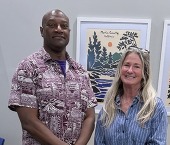
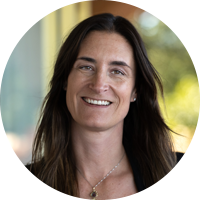
The REACH Conference with Karen Strolia President and CEO of the San Rafael Chamber of Commerce
I recently attended the REACH conference in Santa Barbara, a gathering focused on regional economic development, housing, and community vitality across California’s Central Coast.
I first learned about REACH through Derek Johnson, who helped develop this partnership during his time as City Manager of San Luis Obispo. Last year, Marin leaders had the opportunity to learn firsthand from REACH participants and organizers during our learning exchange to San Luis Obispo. Their leadership shared how the region has approached economic vitality as a collaborative, regional effort rather than something each jurisdiction tries to tackle alone.
At the conference, those themes continued. Leaders from across the Central Coast spoke about aligning local governments, higher education, businesses, and nonprofits around shared priorities like workforce development, housing, and innovation.
As Marin County begins work on its Economic Vitality Strategic Plan, it is helpful to see how other regions are approaching these challenges together. Conversations like these offer valuable ideas about how we can strengthen Marin’s economy while preserving the character and quality of life that define our communities.
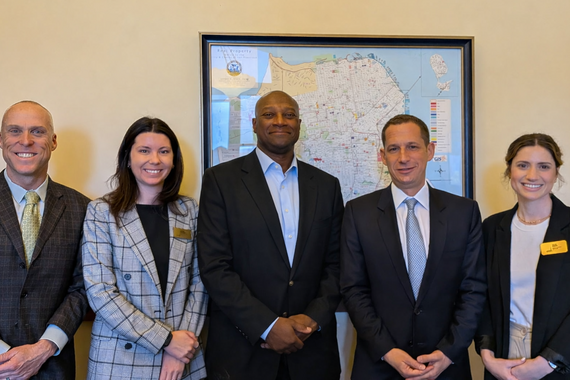
County Executive Derek Johnson, Legislative Analyst Sophie Helpard, Supervisor Brian Colbert, SF Mayor Daniel Lurie, Deputy County Executive Talia Smith
Last week, I spent a day in San Francisco meeting with regional partners alongside County Executive Derek Johnson, Deputy County Executive Talia Smith, and Legislative Analyst Sophie Helpard to discuss issues that connect Marin with our neighbors across the Bay.
We began the day with Assemblymember Matt Haney, where we talked about economic vitality in the region. As Marin begins work on our Economic Vitality Strategic Plan, it was a valuable opportunity to discuss how our communities can support local businesses, strengthen regional collaboration, and ensure the Bay Area remains a place where people can live, work, and thrive.
We also met with representatives from the U.S. Army Corps of Engineers to discuss ongoing flooding challenges in Kentfield and along Corte Madera Creek. Addressing flooding in District 2 will require coordination across multiple levels of government, and conversations like this help move us closer to identifying the tools and partnerships needed to protect our communities.
The day concluded with a meeting with San Francisco Mayor Daniel Lurie, who graciously took the time to talk with us about opportunities to strengthen the relationship between Marin and San Francisco. One theme that resonated was the importance of working together to “bridge the divide” between our communities and collaborate on regional issues that affect us all.
These conversations are an important reminder that many of the challenges we face, from economic vitality to climate resilience, are regional in nature. Working together across jurisdictions helps ensure we can find thoughtful solutions that benefit the entire Bay Area.
Last fall, Marin County surveyed more than 850 voters to better understand what residents care most about as the County begins work on its next Strategic Plan. The survey, conducted in November 2025 by FM3 Research, gathered feedback through phone and online interviews in both English and Spanish.
Housing affordability emerged as the top concern by a wide margin, followed by wildfire risk, homelessness, traffic congestion, and the cost of local taxes.
At the same time, residents expressed strong appreciation for many of the services that define Marin’s quality of life. Voters reported high satisfaction with parks and open space, environmental stewardship, libraries, and emergency response services. About two thirds of voters said there is at least some need for continued funding to support County programs and services.
What District 2 Residents Said
Responses from Supervisorial District 2 closely mirror the countywide results, but with a few notable differences.
53% of District 2 voters said the cost of housing is an extremely serious problem
30% cited traffic and congestion as a top concern
28% identified wildfire risk as extremely serious
26% pointed to homelessness and 26% to the cost of local taxes
Nearly two thirds of District 2 respondents said they are dissatisfied with current efforts to attract and retain businesses and jobs. .
These results highlight the issues many residents experience in their daily lives, from housing affordability to transportation and community safety.
The survey results will help inform Marin County’s next Strategic Plan, which will guide priorities and investments in the coming years as the County works to address challenges while protecting the qualities that make Marin such a special place to live.
Marin Wildfire’s popular Chipper Program is back, offering free curbside pickup, chipping, and disposal of vegetation to help residents create fire-safe properties.
The season runs April through November, with multiple opportunities to participate—but advance registration is required and spots fill up quickly.
Last year was a record-breaking season, with over 5,000 pickups and nearly 19,000 cubic yards of debris removed. Translation: a lot of fuel taken off the table before fire season.
If you’re planning defensible space work this year, this is the easy button.
Are there streets, segments, or intersections in Marin County where you would like to see safety improvements for pedestrians, bicyclists, or drivers?
We want to hear from you. Share your suggestions in the comments or by completing a short survey below.
Your feedback will help shape the Vision Zero Action Plan, Marin County’s effort to reduce traffic deaths and serious injuries and make our roadways safer for everyone.
Please note: The County of Marin manages roads in unincorporated areas, but we welcome safety concerns from across the county. Every suggestion is valuable.
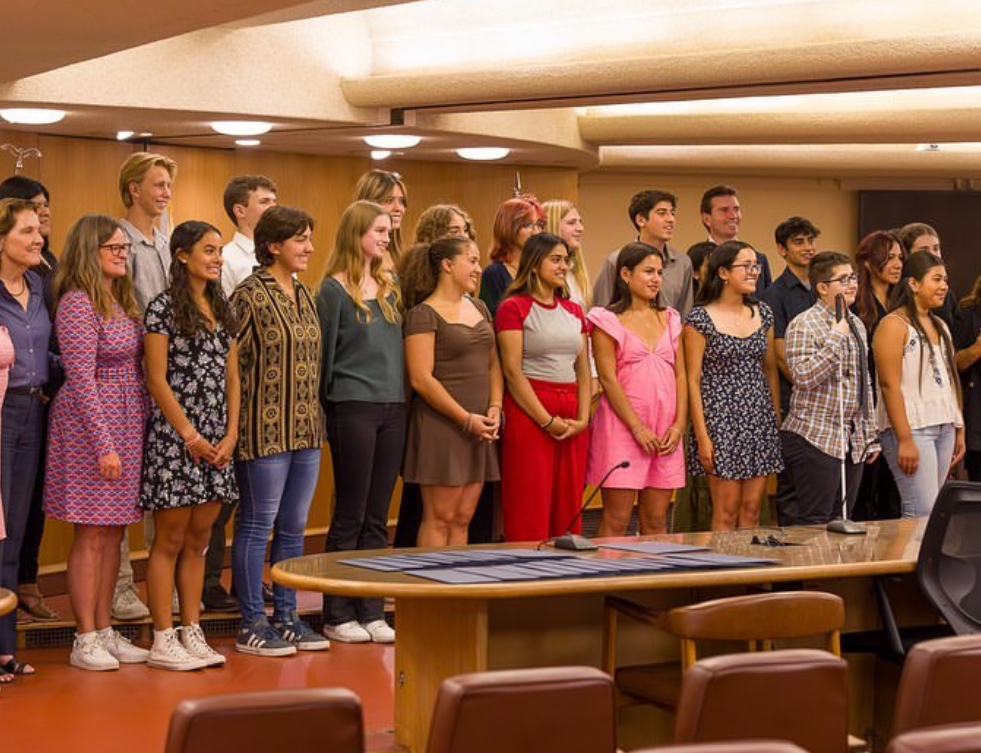
The County of Marin is seeking proposals from community-based organizations to support the Marin County Youth Commission—an advisory body that elevates youth voice in local policy, civic engagement, and community decision-making.
This work includes program management, meeting coordination, youth recruitment and mentorship, and building strong partnerships to ensure the Commission is effective, inclusive, and impactful.
The contract term begins July 2026, with options to extend.
Proposals are due March 31, 2026 at 2:00 p.m.
Interested organizations can learn more and apply by contacting the County of Marin Board of Supervisors office.
Marin County Public Health continues its work to promote health, prevent disease, and strengthen community resilience.
The Central Marin Community Resiliency Team recently partnered with BluePath Health to host a Community Health Fair at the Fairfax San Anselmo Children’s Center, bringing together organizations like Kaiser Permanente, Canal Alliance, Legal Aid of Marin, and Fire Safe Marin. The goal is simple: connect residents to resources and build a more inclusive, supported community.
At the same time, Public Health is preparing for expected impacts from state and federal Medi-Cal policy changes, which may strain access to care. A new Access to Coverage and Care Workgroup is being launched through the Healthy Marin Partnership to help address gaps and reduce pressure on the healthcare system.
You may also start seeing 988 displayed on County vehicles as part of a public awareness effort. The 988 Suicide & Crisis Lifeline provides free, confidential, 24/7 support for anyone experiencing mental health challenges.
👉 To stay informed, subscribe to Marin County Public Health updates, reaching over 30,000 residents.
This year’s tax filing season may be more complicated for many households due to federal changes and the loss of some free filing options. Recent policy eliminations at the federal level have increased both the cost and complexity of filing. For instance, the discontinuation of the IRS Direct File program, along with new rules around tips and overtime income, may increase the likelihood of filing errors
Originally launched in 2020, GetYourRefund is a free service from Code for America that helps low- and moderate-income households access online tax filing assistance. The program is supported by the Internal Revenue Service (IRS) and delivered in partnership with Volunteer Income Tax Assistance (VITA) organizations nationwide.
GetYourRefund provides access to IRS-certified tax preparers and multiple free filing options to help individuals file accurately and claim the full refund they are eligible for.
Code for America will make three tax filing resources available to taxpayers as part of its GetYourRefund effort this year:
File with Help: Taxpayers with incomes of up to $69,000 can have their returns prepared for them for free by an IRS-certified tax preparer. Filers can have their current and prior year returns completed for them, covering tax years 2023 through 2025.
File Myself: Taxpayers with incomes of up to $89,000 can use free online software to file their federal and state returns, and get support from GetYourRefund’s IRS-certified tax preparers when they need it.
VITA site locator tool: Taxpayers with incomes of up to $69,000 who prefer in-person tax filing assistance can use a VITA site locator tool to find a convenient location. IRS-certified tax preparers are available at each site.
Code for America has partnered with 100 organizations across the country to ensure GetYourRefund’s free tax filing services are available to people in every state and Washington, D.C. To date, the service has helped 345,000 people file their taxes and claim more than $612,000,000 in refunds while saving nearly $39,000,000 in filing fees. This year, GetYourRefund has made significant product improvements, with the goal of making the filing process even easier for both clients and VITA partners.
Recology Sonoma Marin, in partnership with Artstart, is bringing back its Summer art program—The Recology Artstart Student Hub (TRASH).
Artists ages 15–25 are invited to apply for a unique opportunity to create artwork using repurposed materials sourced directly from Recology facilities. Five selected artists will develop a body of work to be featured in professionally curated exhibits this fall—challenging viewers to rethink consumption and waste.
Electric bikes and e-motos have quickly become a common way for people to get to school, work, and around Marin. As their popularity has grown, so have concerns about safety, particularly for young riders.
That conversation is now reaching the national stage. Congressman Jared Huffman joined a bipartisan group of lawmakers to introduce federal legislation that would establish clearer national safety standards for e-bikes and similar electric devices. The proposal called Safe Standards for Personal E-Bike and E-Moto Device Specifications Act (Safe SPEEDS Act) would improve classifications, labeling requirements, and federal data collection so communities can better track crashes and injuries.
The push for action reflects trends communities like Marin are seeing firsthand. Emergency room visits related to e-bikes have risen sharply nationwide. Doctors are also reporting a growing number of serious head injuries, including traumatic brain injuries, often tied to the higher speeds and heavier weight of electric bikes compared with traditional bicycles.
Supervisor Mary Sackett has led the advocacy effort to elevate this issue and help bring national attention to the need for clearer safety standards.
Participatory Budgeting (PB) is back and Marin residents once again have a direct say in how public funds are invested in their communities.
The County’s Office of Equity is launching PB Cycle 2, with $2.5 million available for community-selected, equity-centered projects. Now, the County is seeking applicants for the Participatory Budgeting Steering Committee to help shape the process.
In the first cycle, more than 3,600 residents voted to fund 24 projects, including youth programs, climate resilience efforts, and cultural initiatives.
Who should apply? Anyone who lives, works, or attends school in Marin—especially those from historically underrepresented communities. Youth ages 14+ are encouraged to participate.
What’s involved? • Supporting community outreach and engagement • Serving as an ambassador for the process • Reviewing proposals and helping shape the final ballot
This is a paid volunteer role ($50 per meeting), with a time commitment of about 2–4 hours per month through March 2027.
Marin County recently conducted a full-scale emergency exercise to test how the County supports families and survivors following a major incident.
Held at the Marin County Fairgrounds, the exercise brought together approximately 175 staff and volunteers to simulate the activation of a Friends and Relatives Center (FRC) and a Family Assistance Center (FAC)—critical components of the County’s response during mass casualty events.
The drill focused on how agencies coordinate to reunite loved ones, manage missing persons information, and provide compassionate, organized support services in the aftermath of a crisis.
The Friends and Relatives Center serves as a safe, private space for families to gather and receive accurate information, while the Family Assistance Center expands services to include behavioral health, medical support, and other essential resources.
Exercises like this are a reminder that preparation matters. In an emergency, clear coordination and practiced systems can make a meaningful difference for families navigating some of their most difficult moments.
This effort reflects Marin County’s ongoing commitment to being prepared, coordinated, and responsive when it matters most.
Doing a little spring cleaning? Marin residents can safely dispose of household hazardous waste—like old paint, batteries, cleaning products, pesticides, and e-waste—through Zero Waste Marin’s free drop-off program.
These materials shouldn’t go in the trash or down the drain. Proper disposal helps protect our waterways, reduce fire risks, and keep harmful chemicals out of landfills.
Drop-off is available by appointment at multiple locations across Marin, with convenient options for residents throughout the county.
Common items accepted include: • Paint, stains, and solvents • Household cleaners and chemicals • Batteries (including rechargeable) • Fluorescent bulbs • Pesticides and fertilizers • Electronic waste
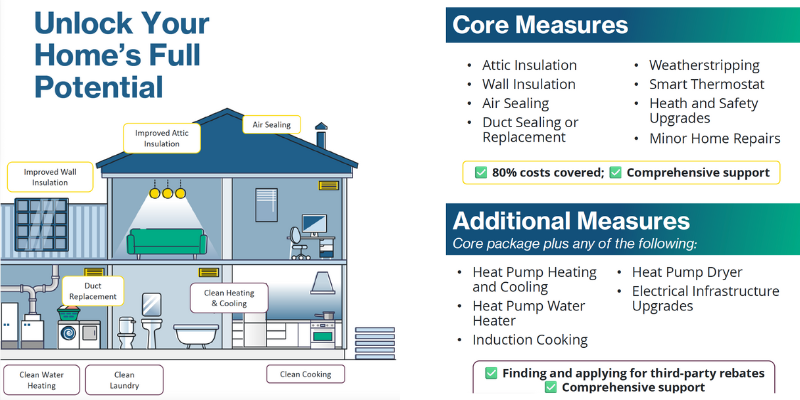
The Bay Area Regional Energy Network (BayREN) recently launched a new single-family home energy efficiency program which is specifically for middle income households that provides deep subsidies for energy efficiency upgrades including insulation (attic and wall), duct repair or replacement, weatherization, induction cooking, and more.
The Efficiency and Sustainable Energy (EASE) Home program serves singe-family homes built before 2010 where resident yearly income is less than 120% Area Median Income (AMI) (120% AMI for a 2-person household in Marin is $185,700). Project scopes can range from $5,000 to $7,000; EASE Home will cover 80% of the total cost with the resident co-pay capped at $1,000.
In addition, the program provides direct install and fixed pricing for appliance upgrades while applying all available third-party incentive programs. Eligible appliances and upgrades include heat pumps, heat pump water heaters, heat pump dryers, and electrical upgrades.
Renters in single-family homes can participate in this program but will need approval from the property owner to perform any work on the building.
If you are in need of insulation and weatherization upgrades to your home and you meet the income qualifications of the program, we encourage you to look into this opportunity.
Sign up on the County's Interest Form to get started.
Program steps
After verifying your eligibility, the EASE Home program will manage your project from start to finish.
You get a free site visit with an Energy Advisor creating a customized plan to upgrade your home’s energy efficiency.
EASE Home handles all details, from permit and rebate applications to installation through our vetted contractors.
All pricing is transparent and fixed, with BayREN covering 80% of the cost of core weatherization and energy efficiency measures*.
EASE Home will maximize your savings by stacking and applying for all available rebates for you, in addition to what BayREN covers.
By filling out this interest form, Marin County staff will be able to direct you to the right energy efficiency assistance program and follow up with questions, next steps on applying, or warm referrals to other programs.
Marin County has been named a statewide “CARE Champion” by Governor Gavin Newsom in recognition of its early leadership in implementing the CARE Act.
As part of the Board of Supervisors’ Behavioral Health Subcommittee work, we’ve been closely focused on strengthening coordinated care for individuals living with serious mental illness. The CARE Act is one piece of that effort—connecting people to treatment, housing, and long-term support through a structured, court-guided process.
Since launching locally in December 2024, Marin has taken a collaborative approach across Health and Human Services, the courts, the Public Defender’s Office, and community providers to better reach individuals before crises escalate.
This recognition reflects the progress being made—and the continued work ahead—to build a more responsive, compassionate behavioral health system in Marin.
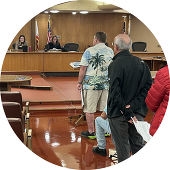
Earlier this month, the Board of Supervisors hosted Marin County’s annual forum under the Transparent Review of Unjust Transfers and Holds Act (TRUTH Act), which requires local law enforcement to publicly report and discuss any interactions with federal immigration authorities such as U.S. Immigration and Customs Enforcement.
The forum is designed to provide transparency and give the community an opportunity to hear directly from law enforcement and share feedback. This year’s session drew a large turnout, with many residents attending to express their concerns and perspectives.
During the presentation, Jamie Scardina walked through how the Sheriff’s Office interacts with federal immigration authorities and what state law allows. He emphasized that the Sheriff’s Office does not enforce federal immigration law, does not conduct immigration sweeps, and does not ask individuals about their immigration status. Those actions are prohibited under California law.
The Sheriff also shared data from the past year. In 2025, the Marin County Jail received 141 notifications from ICE identifying individuals who might be of interest to federal authorities. Of those, the Sheriff’s Office responded in 23 cases where the person met the criteria under state law related to serious or violent offenses.
A key point discussed at the forum was how ICE becomes aware of people in custody. When someone is booked into the Marin County Jail, their fingerprints and identifying information are sent to the California Department of Justice, which then shares that information with federal agencies as part of the statewide system.
The meeting also included robust public comment. Many community members voiced concerns about immigration enforcement nationally and urged the County to further limit any cooperation with federal authorities. Others emphasized the importance of maintaining public safety and transparency in how these decisions are made.
The TRUTH Act forum is an important reminder of how local government works at its best: openly, transparently, and with the public involved in the conversation. While the County does not control federal immigration policy, forums like this allow residents to hear the facts, ask questions, and make their voices heard.
The Marin County Commission on Aging, the San Rafael Goldenaires, and the San Rafael Library and Recreation Departments are co-hosting a community conversation about increasing connections for older adults. Your experiences and ideas can make a real difference. Lack of connections is a serious health risk. The Commission brings community input directly to the Marin County Board of Supervisors — so what you share at this meeting can lead to real change.
Please join us: San Rafael Community Center 618 B Street, San Rafael (next to Safeway)
Friday, March 27, 2026 - 12:30 -4:00 PM
Reservations are appreciated — please call the San Rafael Goldenaires at 415-485-3348 to RSVP.
Come to the Edible Garden to learn the art of making traditional Korean Dumplings, or Mandoo, from Judy Kim’s expert hands!
This immersive cooking class is ideal for food enthusiasts eager to explore new culinary horizons or those seeking a unique, interactive dining experience with an appreciation for the beauty of fresh, seasonal ingredients.
Looking for a fun way to get involved in the community? Marin Center is seeking volunteers to support its performing arts events, the Marin County Fair, and Frank Lloyd Wright Civic Center tours. Volunteers play a key role in creating a welcoming experience for visitors—whether greeting guests as ushers, supporting behind-the-scenes operations, or leading tours of one of Marin’s most iconic landmarks. Volunteer opportunities include: • Ushers – assist with seating, programs, and guest support (and often catch the show) • Marin County Fair – help bring one of Marin’s signature summer events to life • Frank Lloyd Wright Docents – lead tours of the historic Civic Center and share its unique architecture and history Last year alone, volunteer ushers contributed over 6,000 hours helping make Marin Center events a success. 👉 Interested? Call (415) 473-6400 to learn more or get involved..
Hosted by OD Free Marin, Find Your Way, and the Suicide Prevention Collaborative, the event brings people together to support mental health, substance use recovery, and overdose prevention in our community.
The event is supported by Kaiser Permanente and Marin County Community Resiliency Teams, and highlights the importance of reaching out for help, supporting recovery, and showing up for one another as a community.
Location: McInnis Park 310 Smith Ranch Rd, San Rafael
We’re excited to invite LGBTQ+ and allied high school students who live in or attend school in Marin County to a magical, enchanted evening filled with fashion, food, and fairies. Celebrate community, creativity, and self-expression in a welcoming and inclusive space.
Whether you want to dress up, meet new friends, or simply enjoy a fun night out, this event is all about celebrating who you are.
Are you interested in learning about your transportation options in Marin County? Join us on April 30, 2026 to hear from transit agencies and transportation providers serving Marin County and beyond. During the event you will be able to learn about the transportation options available to you, start the enrollment process for various programs, and sign up for guided field trips on transit. There is no cost to attend the event and RSVP strongly encouraged. Learn more at https://marintransit.gov/whataboutage.
UC Marin Master Gardeners Tomato Market 🍅 Explore a wide selection of tomato varieties and get expert guidance on what grows best in Marin. Proceeds support local education programs. 🗓 April 18, 9 AM–sold out 📍 Pini Ace Hardware (Novato) & Bon Air Greenbrae 👉 Details: https://marinmg.ucanr.edu/Events/?eventnum=87453
Under the administrative direction of the General Manager, the Director of Finance serves as the District’s executive‑level financial leader, responsible for planning, directing, and overseeing all finance programs, long‑range financial strategy, and high‑impact fiscal initiatives.
This position provides authoritative analysis and recommendations on major financial decisions, leads development of the annual operating and capital budgets, oversees accounting operations and internal controls, ensures audit readiness, directs financial systems, and manages complex grant funding strategy and compliance.
The Director, Family Well-Being provides strategic leadership for the design, implementation, and continuous improvement of high-quality family well-being services across Community Action Marin’s (CAM) Children & Family Services (CFS) department. Grounded in the Whole Family Approach, this role oversees managers and teams of Family Advocates, Home Visitors, and Family Well-Being Coordinators to ensure excellence in service delivery, regulatory compliance, and measurable child and family outcomes.
Summer Internship Program Overview
Paid internship opportunity open to Undergraduate and Graduate students that begins on June 22, 2026, 15–20 hours per week ~10:00 a.m. to 3:30 p.m., Monday through Thursday
Interns and are placed within a division of the Office of the County Executive or Board of Supervisors offices based on interest and experience. This is a single internship application that allows candidates to indicate interest in one or more placements.
This program is ideal for students interested in local government, public policy, budgeting, sustainability, communications, or community engagement. Because this work is rooted in serving Marin’s residents and communities, we strongly encourage applicants with a connection to Marin County and an interest in building a career in public service.