
March Update from Supervisor Sackett
County of Marin, California sent this bulletin at 03/24/2026 12:51 PM PDT
| Having trouble viewing this email? View it as a webpage. | |||||||||||||||||||||||||
Congressman Jared Huffman worked with four other U.S. Representatives under the leadership of Southern California Congressman Dave Min to introduce the Safe Standards for Personal E-Bike and E-Moto Device Specifications Act (Safe SPEEDS Act) on March 13. The bill would direct the U.S. Consumer Product Safety Commission (CPSC) to develop a safety standard with clear and consistent classifications, labeling requirements, and minimum age recommendations for e-bikes, e-motos, and other off-road electric products. It would also require CPSC studies on crashes, injuries, and fatalities associated with e-bikes and e-motos as well as establish a training module to help local governments, law enforcement agencies, and emergency medical services standardize incident reporting, enhance data collection, and conduct public education. Federal consumer product safety standards for e-bikes and e-motos are currently nonexistent, resulting in confusion and the inadvertent purchasing of e-motos for young riders. Marin is proud to be a national leader in youth e-bike safety and e-bike adoption for active transportation, and our experience shows how urgently this federal leadership is needed to bring guardrails to the marketplace. I advocated in Washington, D.C. to increase e-bike safety including meeting with CPSC commissioners in early 2024, and Congressmember Min’s office in 2025 to collaborate on the bill. The inclusion of funding to help local jurisdictions collect data on e-bike safety is directly attributed to experiences in Marin County. Now that the bipartisan bill has been introduced, the Marin County Board of Supervisors will advocate for its passage through Congress.
Marin County has been named a statewide “CARE Champion” by Governor Gavin Newsom in recognition of its leadership in implementing the Community Assistance, Recovery, and Empowerment (CARE) Act. CARE Court connects individuals living with untreated schizophrenia and other psychotic disorders to treatment, housing, and long-term support through a civil court–guided care plan. Marin was recognized as one of 10 counties with the highest per-capita implementation rates during the first full year of statewide participation. Since statewide rollout, thousands of Californians have been connected to behavioral health services through CARE petitions and diversions — helping individuals access treatment before crises deepen. Marin Health and Human Services works closely with the Superior Court, the Public Defender’s Office, providers, and community partners to connect eligible individuals to behavioral health treatment, case management, housing navigation, and supportive services. Marin County launched CARE Court in December 2024. A key to success was not only embracing the technical requirements of the mandate but also prioritizing the goal of removing barriers and meeting clients where they are. The CARE Champion designation highlights Marin’s continued commitment to reducing unsheltered homelessness and strengthening the behavioral health continuum.
Last November, Marin County surveyed residents to better understand community priorities, funding needs, and satisfaction with County services. The survey results will support the development of the County’s first Countywide Strategic Plan in over 20 years. The results provide a high-level snapshot of voters' perspectives and will be key input for the Strategic Plan. Housing affordability and the lack of affordable housing in Marin emerged as the most pressing concern. Wildfire risk and homelessness also rank among the most concerning issues. Voters reported high satisfaction with parks and open space, environmental stewardship, libraries, and emergency response. These services continue to define Marin’s quality of life. Lower ratings for business retention and long-range residential and commercial planning point to concerns about economic vitality and future growth. Fewer than half of voters say they are satisfied with opportunities to provide input into County decisions, highlighting an opportunity to strengthen awareness and engagement. Thank you to everyone who responded to the survey.
The County of Marin will allocate unassigned funding from the 2024-25 budget for investment in County services. Disciplined financial practices typically generate a year-end balance at the close of each budget cycle, and the Board consistently directs these one-time revenues toward one-time investments. The Board made its March 10 allocations after the Department of Finance completed its audit of fiscal year 2024-25. The balance was the result of stronger than anticipated investment earnings, expenditure savings, and revenue performance. The Board of Supervisors allocated the resources to:
In the coming months, the County will continue refining its 2026-28 budget process, including a draft workplan and a three-year fiscal forecast. County staff is reviewing public and Board input from the February budget workshops, refining the fiscal forecast, and preparing to return to the Board with the proposed budget in June.
In late October and early November 2025, shifting federal rulings created uncertainty around Supplemental Nutrition Assistance Program (SNAP) benefits and led to a surge in demand at food banks and pantries across Marin. In November, the Board of Supervisors allocated $800k into an emergency fund to provide direct food assistance. Marin Community Foundation responded by launching the Food on Every Table Fund, committing $500,000 and raising an additional $1 million from the community. During the government shutdown period, $225,000 was deployed to local partners, helping stabilize 3,578 residents in 1,198 households through expanded food distribution and direct assistance gift cards. While federal benefits were ultimately restored, food insecurity remains a serious concern. Beginning in April 2026, changes under HR 1 are expected to restrict SNAP eligibility for certain immigrants who were previously eligible. In June 2026, expanded federal work requirements for CalFresh recipients may lead to additional benefit losses, particularly impacting older adults ages 59 to 64 and individuals experiencing homelessness. In response, Marin Community Foundation is committing $700,000 to provide direct assistance. This effort is being coordinated in partnership with the County of Marin and local community partners, with assistance expected to begin in April. The Foundation also plans to invest the remaining approximately $575,000 from the Fund in longer-term solutions identified through a countywide food security planning process. I appreciate the leadership of the Marin Community Foundation and the generosity of donors who continue to support neighbors facing food insecurity. Strong partnerships remain essential to ensure that every person in Marin has food.
The Marin County Commission on Aging, the San Rafael Goldenaires, and the San Rafael Library and Recreation Departments are co-hosting a community conversation about increasing connection for older adults. Your experiences and ideas can make a real difference. Lack of connection is a serious health risk, and the Commission on Aging brings community input directly to the Marin County Board of Supervisors. Where: San Rafael Community Center - 618 B Street, San Rafael (next to Safeway)
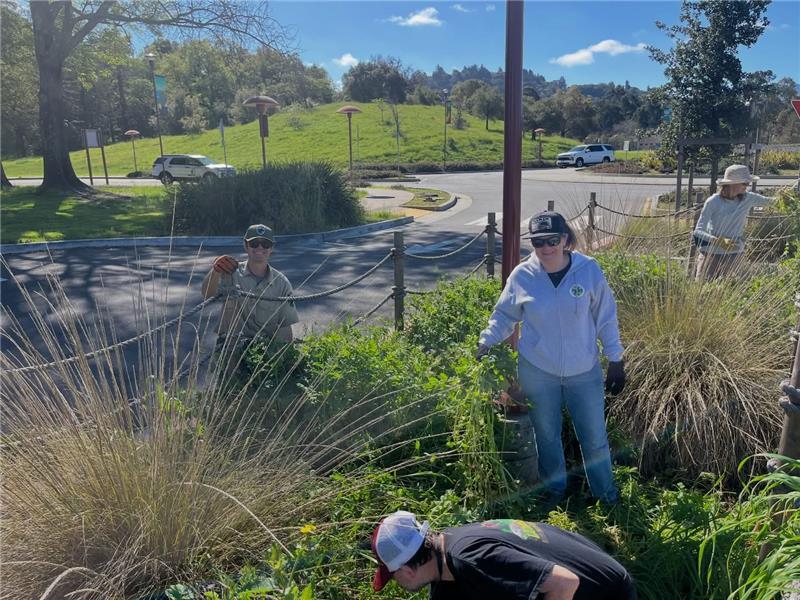
The organizations listed below are seeking both short-term and long-term volunteers.
|







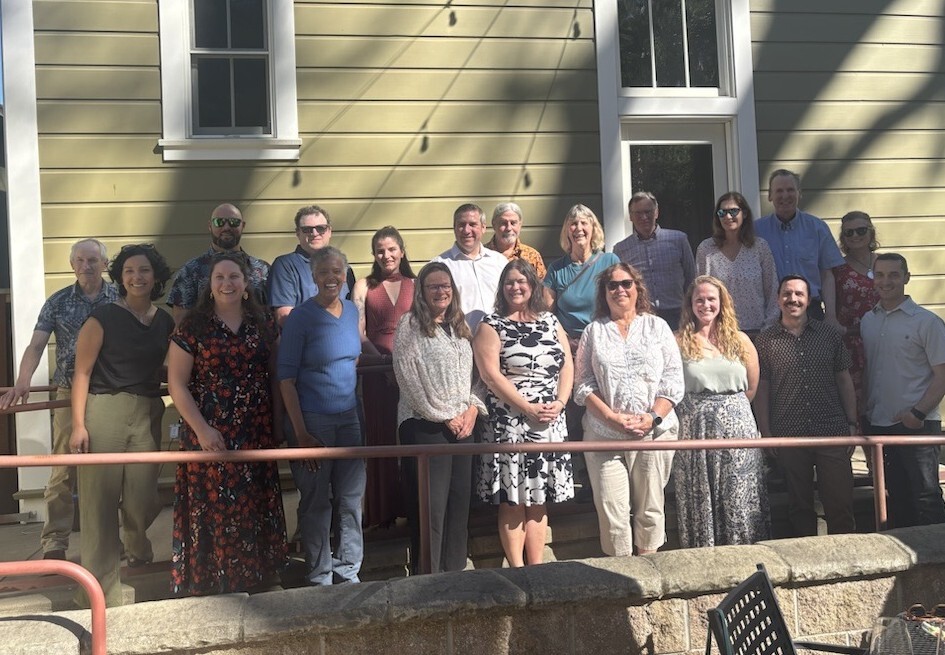
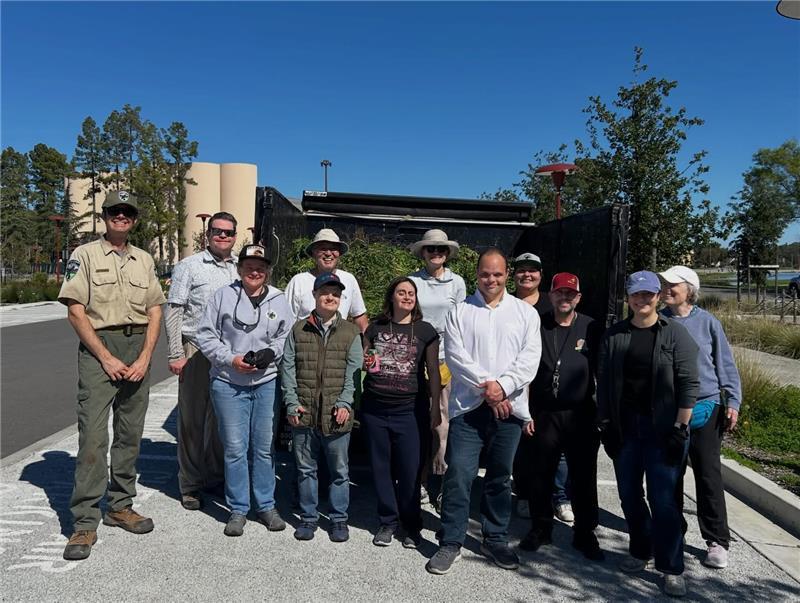


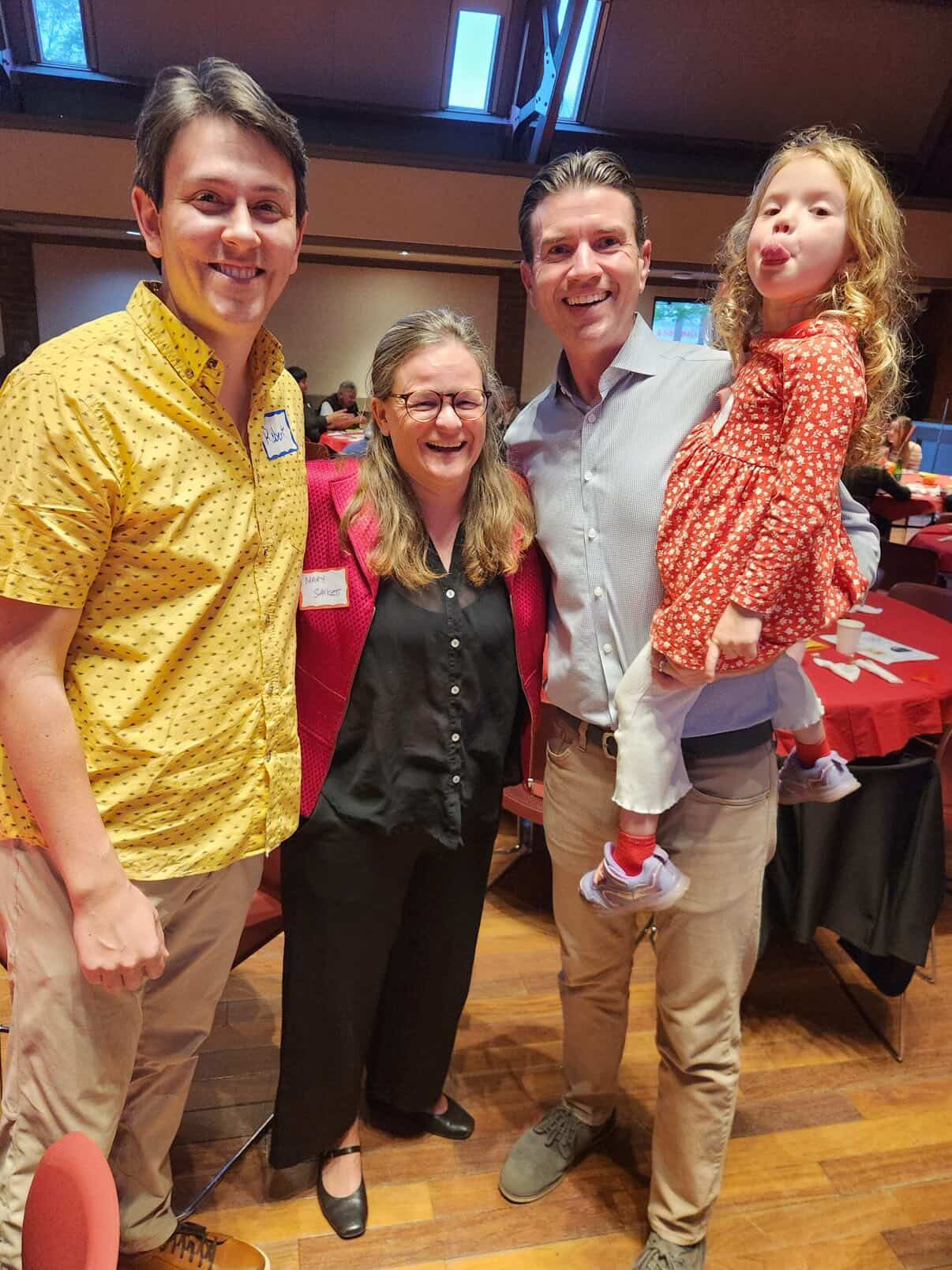 Fun celebrating Lunar New Year with Supervisor Lucan

All About Heat Pumps Join the Marin County Sustainability Team for a free Zoom webinar on 4/15 from 6PM to 7PM covering heat pump technology for space and water heating. This webinar is geared toward homeowners considering heat pump projects or residents who have already installed a heat pump but have questions about operation or performance. Marin Scam Jam When: Tuesday, April 28, 2026 | 9AM - 1PM You are invited to join the Marin Scam Jam to hear from experts and learn about the top scams in Marin and how to protect yourself from identity theft. Join AARP California, Marin County Aging and Adult Services and Public Guardian, and the Financial Abuse Specialist Team, to learn how to identify, avoid, and report scams. Advanced registration is not required but encouraged: learn more and register. What About Age Transportation Fair When: Thursday April 30, 2026 from 11AM – 2PM Hear from transportation providers in Marin, sign up for a variety of transportation programs, and sign up for guided field trips on transit. Refreshments & lunch will be provided. There is no cost to attend, but RSVP is strongly encouraged as space is limited.
Please stay in touch,
Marin County Board of Supervisors, District 1 District Aide: Crystal Martinez District Aide: Julia Reinhard
Stay Connected:
|



| Please do not reply to this email as this mailbox cannot receive replies. For questions, contact Julia Reinhard. |
 |
Not all events are sponsored by the County of Marin. County of Marin sponsored events are required to be accessible. If you are an individual with a disability and require an accommodation to participate in a County sponsored event, please call (415) 473-7354 (voice), Julia.Reinhard@MarinCounty.gov (email), (415) 473-3232 (TTY), or dial 711 for CRS or email Disability Access at least six work days in advance. Documents in alternative formats are available upon request. | |||
 |
 |
 |
 |
SUBSCRIBER SERVICES: Manage Preferences | Unsubscribe | Help |