|
|
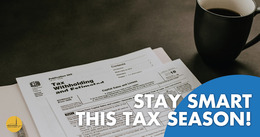
Stay Smart This Tax Season!
|
|
From the desk of Jason Balderama, CISO, County of Marin
Though Benjamin Franklin is often quoted as saying “in this world, nothing can be said to be certain, except death and taxes,” an updated version for the current day would need to include tax scams. As people seek to file their tax returns, cybercriminals attempt to take advantage of this with a variety of scams.
Millions of people in the U.S. are targeted by tax scams each year, often only learning of the crime after having their legitimate returns rejected by the Internal Revenue Service (IRS) because scammers have already fraudulently filed tax returns in their name.
Let's review how tax fraud is perpetrated and ways you can protect yourself.
|
|
-
Public Information. Unfortunately, much of your personal information can be gathered from multiple locations online with almost no verification that the right person is receiving the information. Scammers know this, so they use this trick to get your personal information and use it to file a fake tax refund request. If a scammer files a tax return in your name before you do, they will file it with false information to get a large refund, forcing you to go through the process of proving that you did not file the return and subsequently correcting the return. Once they have your personal information, scammers can continue to commit identity theft well beyond the tax season.
-
Phishing. Another favorite technique used by scammers during the tax season is sending phishing messages indicating that a new copy of your tax form is available. These emails may impersonate government agencies and/or their IT departments, and include a link to a phishing website that uses a legitimate organization’s logo and signature. If you fill out or attempt to login into the phishing website, the scammers will be able to see your login name and password, which they can then use to try and compromise your other accounts. The more information they gather from you, the easier it is for them to use the information to file a fake tax return in your name.
-
IRS Impersonation. Scammers may also impersonate the IRS and other tax officials to threaten taxpayers with penalties if they do not make an immediate payment. This contact may occur through websites, emails, or threatening calls and text messages that look official but are not. Sometimes, scammers request their victims pay the “penalties” via strange methods like gift cards or prepaid credit cards. It is important to remember:
- The IRS will not initiate contact about payment with taxpayers by phone, email, text messages, or social media without sending an official letter in the mail first.
- The IRS will not call to demand immediate payment over the phone using a specific payment method such as a debit/credit card, a prepaid card, a gift card, or a wire transfer.
- The IRS will not threaten to immediately notify local police or other law-enforcement agencies to have you arrested for not paying.
- The IRS will not demand that you pay taxes without giving you the opportunity to question or appeal the amount you owe.
Here are some basic tips to help you minimize the chances of becoming a victim of a tax scam:
- File your taxes as soon as you can before the scammers do it on your behalf.
- Beware of phone calls, emails, and websites that try to get your information, or pressure you to make a payment. If something seems suspicious, contact the organization through a known method, like the customer service phone number that is posted on their official web site.
- Ignore emails and texts asking for personal or tax information. Be cautious of who you provide your information to, including your Social Security Number and date of birth.
- Don’t click on unknown links or links from unsolicited messages. Instead, open your web browser and visit the official web site of the organization you are trying to reach.
- While "HTTPS" is a secure protocol to access web sites, remember that “HTTPS” does not mean the web site you are visiting is legitimate.
- Don’t open attachments from unsolicited messages as they may have malicious content.
- Only conduct financial business using trusted websites and apps. Don’t use public, guest, free, or insecure Wi-Fi networks.
- Shred all unneeded documents containing confidential and financial information.
- Check your credit report and financial accounts regularly for unauthorized activity. Consider putting a security freeze on your credit file with the major credit bureaus if you suspect you have been targeted for identity theft.
If you believe you have become a victim of tax fraud or identity theft, visit IdentityTheft.gov to make a report and get a recovery plan. IdentityTheft.gov is a one-stop resource managed by the Federal Trade Commission, the nation’s consumer protection agency. Or you can call 1-877-IDTHEFT (1-877-438-4338).
|
|
Copyright © 2025 County of Marin, All rights reserved. |
|
Disclaimer
The information provided in Marin CyberSafe News is intended to increase people’s awareness of cybersecurity and to help them behave in a more secure manner. Links in this newsletter are provided because they have information that may be useful. The County of Marin does not warrant the accuracy of any information contained in the links and neither endorses nor intends to promote the advertising of the resources listed herein. The opinions and statements contained in such resources are those of the author(s) and do not necessarily represent the opinions of County of Marin.
|
|
|
|