|
Dear District Four Community,
As we move forward in the wake of the November 5th election, I want to take a moment to thank each of you for your dedicated actions, voice, and participation in the democratic process. This year’s election not only elected our highest office in the Country, but also included a slate of State and local initiatives that will shape the future of our communities.
The result of this election is really a call to action, to build essential community action, support our values and institutions, protect the vulnerable, and to build bridges of action, understanding, and empathy both locally and nationally.
My office stands ready, we are already working to ensure community priorities will be upheld and our most vulnerable people will be protected. We are aligned with our fellow local, state, and federal partners, and redeveloping the tools from 2016-2020 to be proactive and responsive.
From our community, we need your help. To realize the future we want to see, the most powerful tool is community organizing and recognizing we all have a part in making government work for the people. Some of the most powerful movements in our Nation’s history were started through community connections and organizing. These are the spaces where we come together, learn, and find empathy. This is the heart of progress and the space I want to uphold.
I remain committed to working alongside you to ensure your voice is heard and valued, your needs are addressed, and to break down barriers to build a stronger future.
Thank you for your continued engagement and for being part of this incredible community and wishing you and your loved ones a Happy Thanksgiving.
With respect and gratitude,
  P.S. My team created a webpage highlighting the dedicated nonprofit and community partners working diligently to support our communities. You can help by joining, volunteering, or donating. Find your passion, find your people, and help to build the communities we want to see now and in the future.
|
|
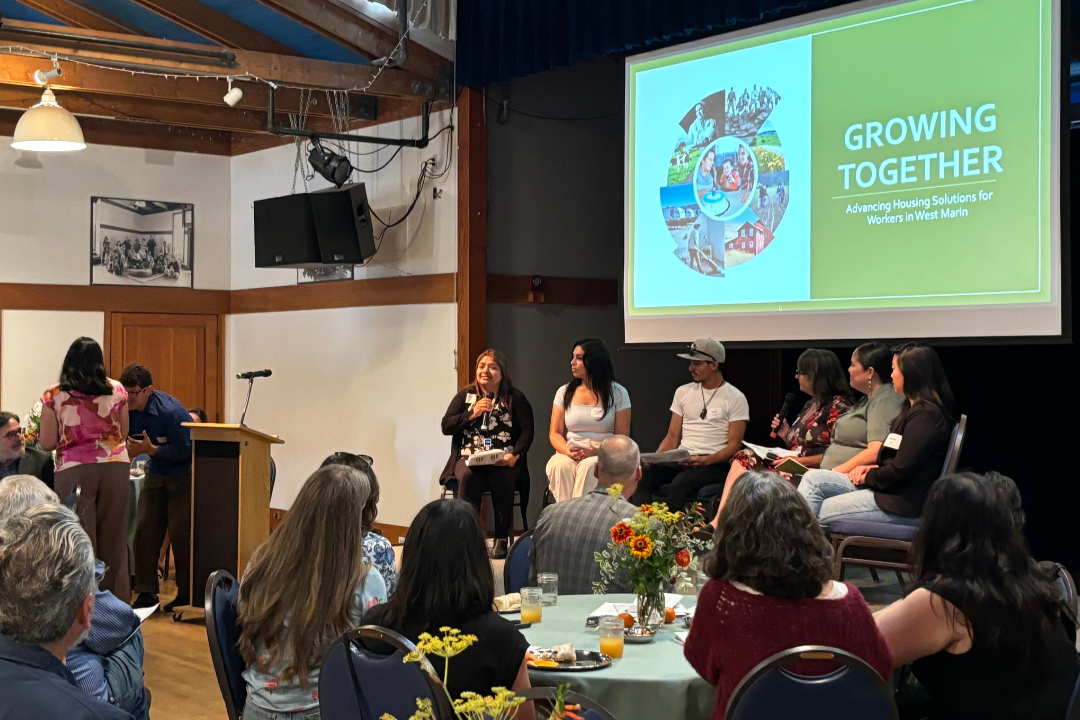
These workers are the backbone of West Marin’s economy and culture, and their access to safe housing is essential for sustaining the community we value. This effort, funded by the County of Marin and other partners, provides a roadmap for addressing local housing challenges.
You can be part of the solution. Consider renting unused space or an ADU to local workers, advocating for housing-friendly policies, or contributing to the Housing Action Fund, which directly aids families at risk of displacement. Community forums and advocacy events offer ways to engage and make your voice heard.
The West Marin Housing Collaborative (WMHC) is preparing to launch a community rentals program to help local homeowners to use their properties to increase the availability of affordable housing. This can help find housing for people who live and work in West Marin and are at risk of displacement. This includes people and their families who work in our local ranches, restaurants and stores, and schools.
If you have a potential long-term rental and need guidance on how you can be part of the housing solution, fill out this form, and you will be contacted for next steps.
The West Marin Housing Collaborative (WMHC) includes: the Bolinas Community Land Trust (BCLT); the Community Land Trust Association of West Marin (CLAM); the Stinson Beach Affordable Housing Committee, and the Two Valleys Community Land Trust (TVCLT)
Together, we can ensure West Marin remains inclusive and diverse. Learn more and get involved at wmhousingsolutions.org.
|
|
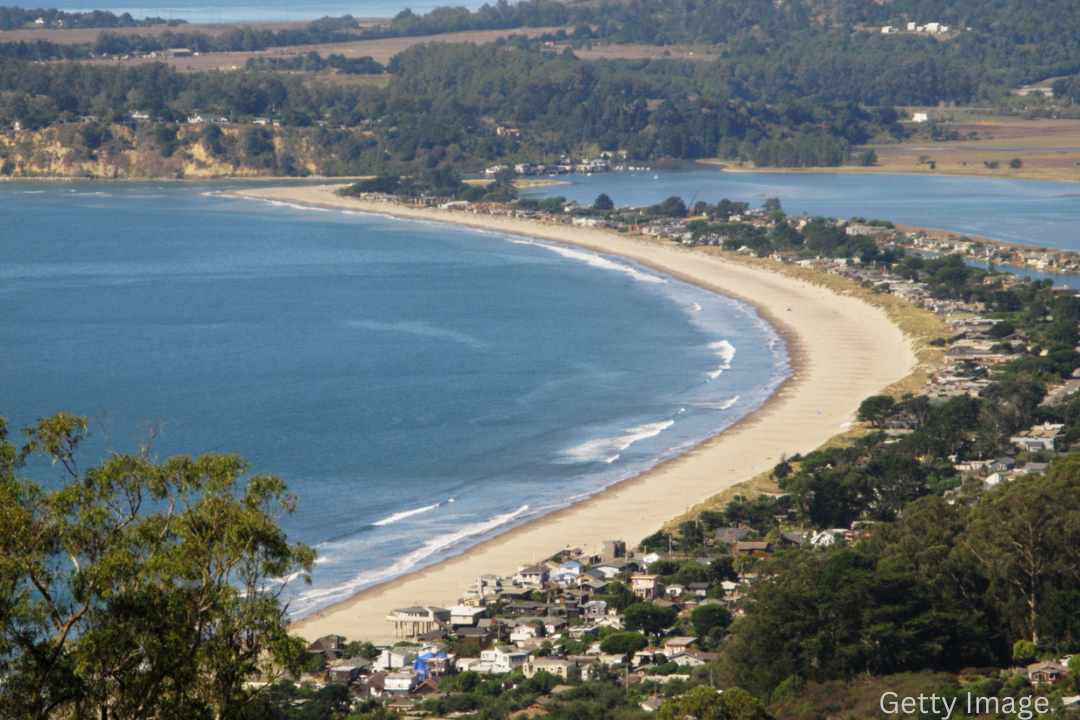
Property owners who advertise or rent a residential unit for less than 30 days in unincorporated Marin County should obtain a Short Term Rental (STR) License, a Business License, and a Transit Occupancy Tax (TOT) Certificate. Applications are now being accepted.
-
Application Availability: Starting December 2nd, you’ll be able to access and complete the STR License and STR Waitlist Application online, in person, or by mail.
-
STR Waitlist: Anyone interested in operating a STR in unincorporated Marin County may apply for the STR Waitlist. The waitlist lottery will determine the ranking for all applications submitted within the first thirty days after the county begins accepting license applications. After that, properties will be waitlisted on a first come first served bases.
-
Waitlist Timing: To be included in the lottery, please submit your completed STR Waitlist application and submit the required $50 fee between December 2nd and December 31st, 2024. Applications received after that will be placed on the waitlist in the order they are received.
-
Support Available: We are here to assist you. If you have any questions about the new application or licensing requirements, feel free to contact the Short Term Rental Coordinator via email using “contact us” on STR webpage.
|
|
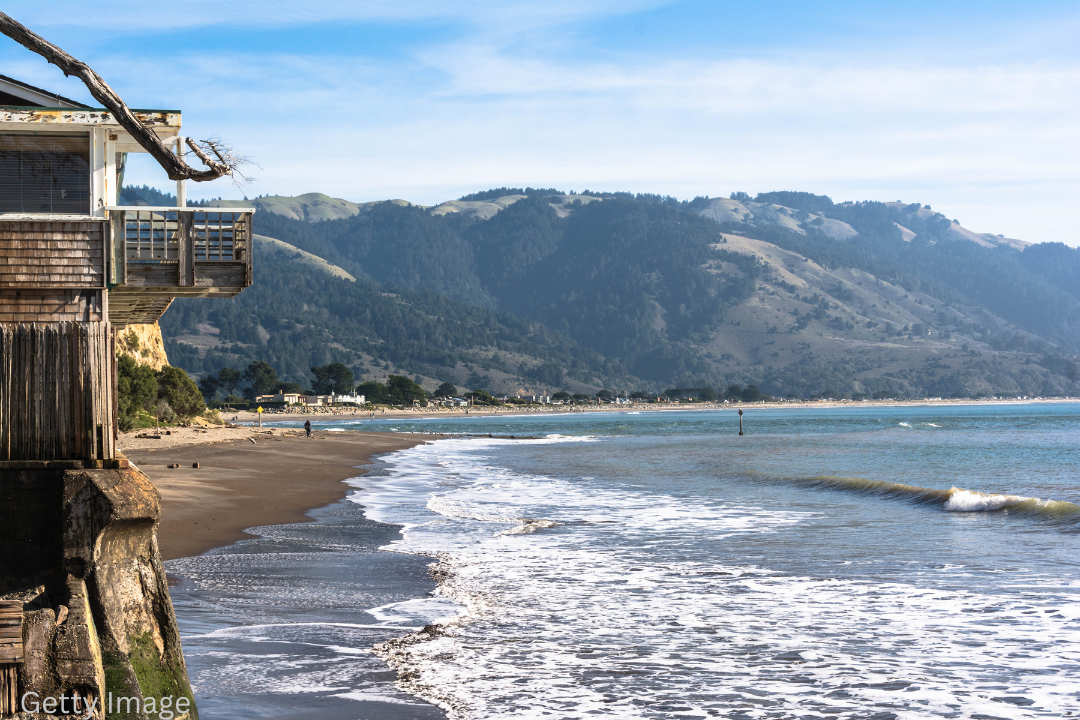
The first phase of changes will be made to the rules that govern land use in Marin County’s coastal zone. In December, the public can learn more about the proposed updates to the Local Coastal Program (LCP).
A community webinar is scheduled for 6 PM Wednesday, December 11th. Staff will introduce proposed changes about environmental hazards and seek feedback to inform a public review draft. Registration is open for the online session until the day of the event.
Those affected by LCP rules live in various coastal communities: Muir Beach, Stinson Beach, and Bolinas in the southern part of Marin’s Pacific Coast; and Olema, Point Reyes Station, Inverness, Marshall, Tomales, Dillon Beach, and the surrounding ranchlands on the northern section of the coast. Those living on federal property – notably the Point Reyes National Seashore and the Golden Gate National Recreation Area – are not subject to LCP regulations.
Marin’s LCP, which dates back more than 40 years, is the key document used by the County to manage conservation, beach access and development in West Marin’s coastal zone and dictates what landowners can do with their property. The amendment process is a response to changes in circumstances over the years, not the least of which is increasing sea-level rise. Amendments must be approved by the Marin County Board of Supervisors and the California Coastal Commission.
Outreach is a critical part of the LCP update, and CDA is meeting with community stakeholder groups to discuss the proposed amendments in November and December. After the December 11 webinar, staff will incorporate feedback and introduce the amendments during public workshops and hearings with the Planning Commission and Board of Supervisors.
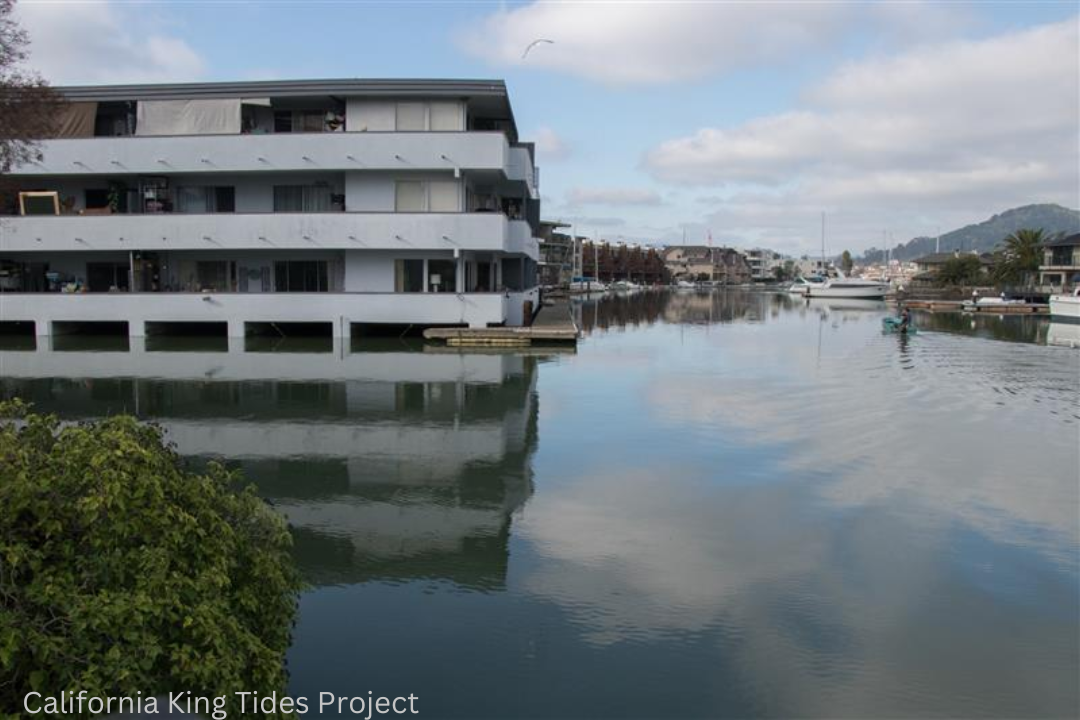
Winter storms can cause significant damage to public and private property, especially when coupled with seasonal high tides or once the ground has become saturated with water later in the season from prior rains. Whenever a storm is forecast, it is critical that residents and agencies prepare for it, regardless of whether or not it is an El Niño year.
When a storm is forecast by the National Weather Service[External], DPW and District staff check various flood mitigation facilities to ensure they are functional and clear of debris. If the storm is predicted to be significant, the staff are scheduled to work around the clock during the storm to address needs in the field as they arise. Immediately following a significant storm, crews are sent out to assess damages, conduct maintenance, ensure public safety, and begin planning and preparations for the next potential storm.
For residents, it is strongly encouraged to take action on their own property to help reduce the risk of flooding on their land, which can also impact their neighbor’s property. Before a storm, it is recommended that residents clear dead leaves from their driveway drains, rooftop gutters, and storm drains. Foliage should be disposed of in compost bins, not left in street gutters where it will clog drainage systems and cause neighborhood flooding. It is also important to remove any obstructions approaching driveways or placed in street gutters, such as rubber ramps which can block street gutters and exacerbate localized flooding.
Sign up for the AlertMarin in order to receive potentially life-saving instruction. The service, managed by the Marin County Office of Emergency Management, provides time-sensitive emergency notifications to areas identified within the danger zone. Residents who have registered are asked to review their contact information ahead of the flood season to ensure it is up to date. For information on how to get prepared, including emergency "go-bag" packing checklists, visit ReadyMarin.org.
|
|
|
Marin Couty District 4 Team
Supervisor Rodoni, elected in 2016, and re-elected in March 2024, represents the residents of District 4 in the County of Marin. District 4 is the most geographically diverse district in the county, including coastal West Marin from
Dillon Beach to Muir Beach and Homestead Valley; inland agricultural and rural areas of Nicasio, Chileno Valley, San Geronimo Valley, and west Novato; and bayside and urban areas of east San Rafael, San Quentin, Corte Madera, and Larkspur.
County of Marin District Map
Supervisor Rodoni is one of five Supervisors responsible for the function of county government, serving as the governing board of the County Free Library and of many special districts such as Parks & Open Space District, Transit District, and the Housing Authority. The Board passes all ordinances governing the county and is responsible for seeing that mandated functions are properly discharged. The Board adopts the County budget; sets employee salaries and directs a wide variety of services to county residents.
|
|
|
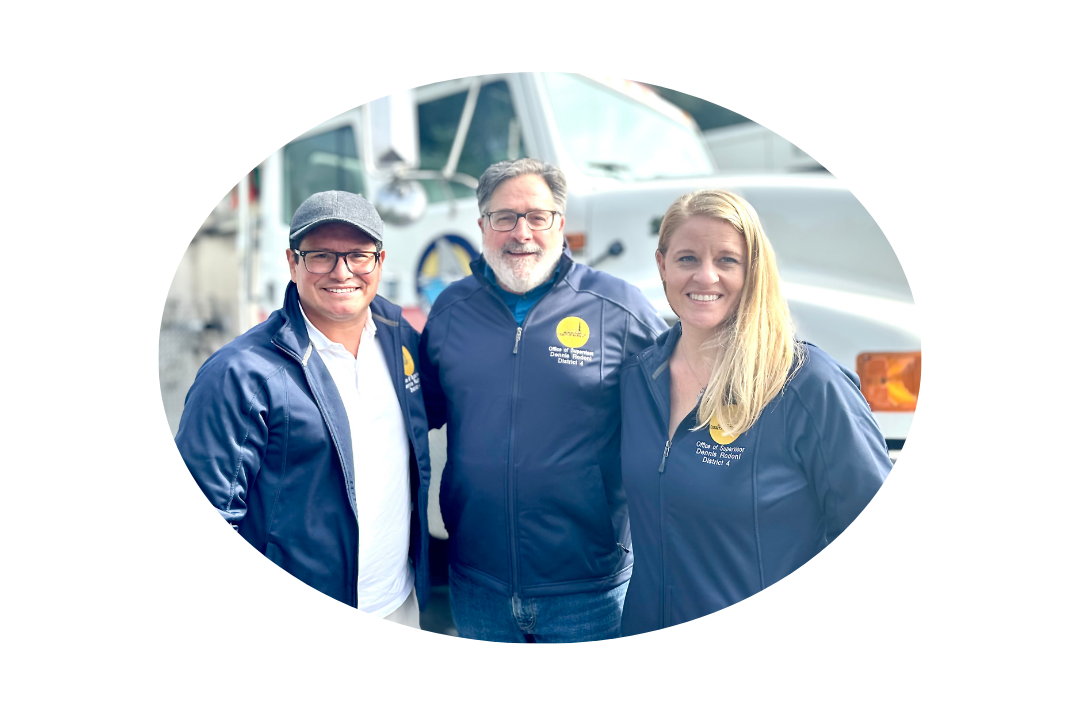
As part of my goals for a more accessible and transparent government, District 4 aides are available for in-person assistance in West Marin twice weekly.
Monday, Fernando Barreto, Point Reyes Station
Friday, Morgan Patton, San Geronimo Valley
Learn more on our District 4 webpage.
|
|
|
|
|
|
|