|
The Sustainability Interest Group (SIG) is a space where CalEPA employees & retirees come together to share, learn, and discuss sustainable practices such as gardening, composting, and eco tips as well as big picture related efforts like [grass roots] circular economy & climate actions. Meetings are virtual unless otherwise noted & held 1-2 times a month on Tuesdays. |
|
Disaster Resilience as a Sustainability Practice
Noon-1pm, Tuesday, June 23, 2026
|
|

As the climate gets hotter, extreme weather events become more common, and fire season extends to more of the year, what can we do? Ignoring what can happen or anxiously worrying about it are both understandable impulses. Instead, what are some ways we can take care of ourselves and each other, every day and when disaster strikes, while also doing longer-term work to mitigate climate change? Emergency preparedness and sustainability are usually considered as separate topics, but what if we considered them as intertwined? Hear about some resources, including books, classes, volunteer options, and checklists, followed by a discussion to shift fear into opportunities to build community.
Or call in (audio only)
+1 916-619-7284, 955660965# United States, Sacramento
Phone Conference ID: 955 660 965#
Find a local number | Reset PIN
Learn More | Meeting options
July 7th Meeting
Water Quality at Home
|
SIG Updates
Bring Crop Swaps Back!?
It's that time of year ripe for crop swaps. Should we bring them back? Discuss your desires and available produce at Tuesday's meeting.
Can't make the meeting?
Let Virginia know if this is something you are interested in. Her contact info is at the end of this email.
Meeting Frequency
The group may start meeting just once a month virtually as opposed to twice a month, however, crop swaps may supplement this time. To be continued...
Updated SIG Teams Group, Internal Site
For better collaboration between BDOs, an internal Teams Group & SharePoint page has been created here. For access, email: SustainabilityInterestGroup@calrecycle.onmicrosoft.com
By the next meeting it is planned to update the Teams login meeting info to reflect this change. You will receive a personal updated calendar invite in the next few weeks.
The SIG public webpage will still be updated & highlight new content.
|
|
|
CLIMATE
Ebb and Flow, June 7, 2026
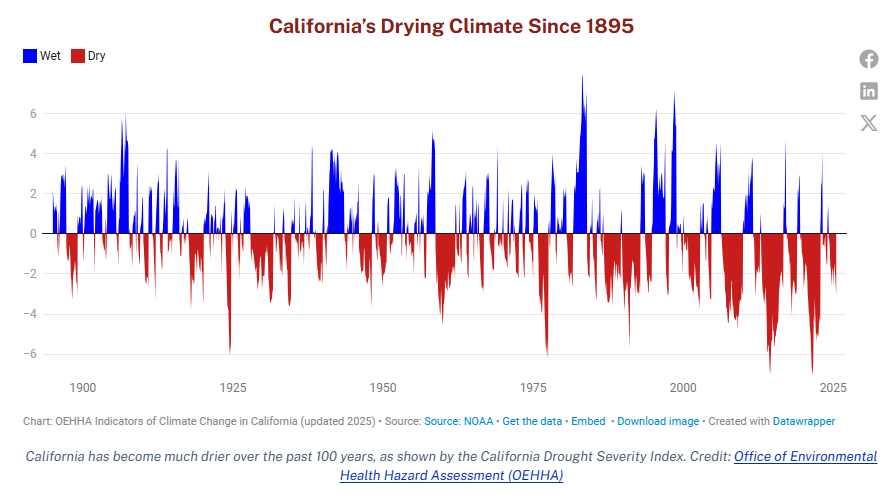
Building on lessons learned from prior droughts, a new statewide regulation and the resolve of Californians, the state is deploying conservation — even in non-drought years — as a key strategy to ensure long-term water security.
DATA CENTERS/PLANNING
Maven's Notebook, June 18, 2026
“Most Americans loathe data centers. Recent polling found that Democrats and Republicans alike would oppose having one in their neighborhood, and hundreds of communities across the country have fought against them, citing fears about noise, water contamination, and energy bills. After years spent courting tech companies, many politicians are now vowing to protect their constituents from their development. In just the past month, policymakers in New York, Texas, Pennsylvania, and Utah have proposed limits on the facilities. For the AI startups and others racing to secure more computing power, the question seems to be not which projects will face opposition, but which won’t. A project unveiled this week in California’s Central Valley suggests a potential answer. California Resources Corporation, the state’s largest oil company, wants to build a 600,000-square-foot data center campus in the Elk Hills oil field about two hours north of Los Angeles. It hopes to avoid the nationwide backlash from communities that have watched the outfits developing these sprawling operations swallow up farmland or install diesel generators near residential neighborhoods.
|
|
Tomatoes and Peppers
It’s not too late to plant summer vegetables like tomatoes and peppers in mid-May.
Stake or Cage Tomatoes
If you haven’t done it already, stake or cage your tomatoes now before you damage growing roots and the plants begin to sprawl to avoid entanglements.
Prune tomato low branches and suckers
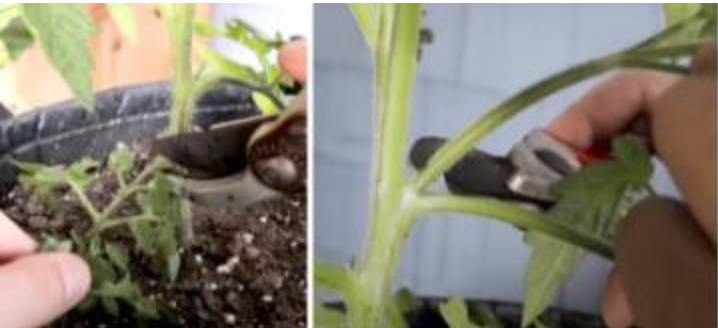 To avoid introducing disease, prune low branches that are close to touching the ground. Also, if your tomato sprouts a branch angling up at a 45-degree angle between the main stem and a horizontal branch (bottom right photo), cut off that sucker for indeterminant tomato plants and below the first flower node for determinant tomato plants. It will only draw unnecessary resources away from your tomatoes otherwise.
Zucchini Harvesting
Harvest your zucchini before they get more than 8 to 10 inches long for maximum flavor.
Prune your Zucchinis
Prune Zucchini to increase air flow, increase production, and prevent powdery mildew and prevent blossom end rot.
Place Mulch Around Trees
Add three inches of mulch under your fruit trees and shrubs to keep weeds down. Keep a six-inch ring of mulch away from the trunks to avoid rot.
Prune Grape Vines
Prune grape vines back to one to two leaves beyond the fruit to prevent disease and let the vine concentrate on producing more and bigger grapes than new growth vines seeking a foothold in all directions. You can also save those freshly cut grape vines (and apple tree branches) for any pet rabbits you may know. Your grape canopy should have about 60% exposure to the sun to prevent fungus and improve flavor. You can also thin your grapes by pruning off mildewed grape clusters and shoots with too many grape clusters.
Girdle Grapevines
You can increase your grape yield and size by girdling grapevines like this around the end of May at the start of or during bloom. Girdling means cutting through the “phloem” tissues below the bark to block the downward (basal) flow of sugars and other compounds produced in the leaves.
Prevent Codling Moth in your Apples
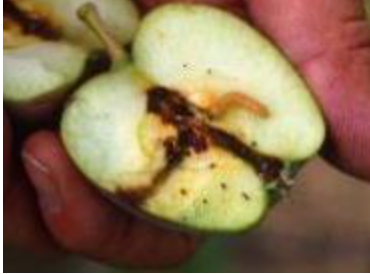
If your apples look bruised on one side every year as in the photo below, you may have codling moths laying eggs in your young apple fruits. Bagging your apples as they’re beginning to fruit is the only nonchemical control method that is effective enough to be used alone and in higher population situations. However, it is quite time consuming to apply the bags. Several other options include trunk banding, sanitation, trapping, and biological control.
|
|
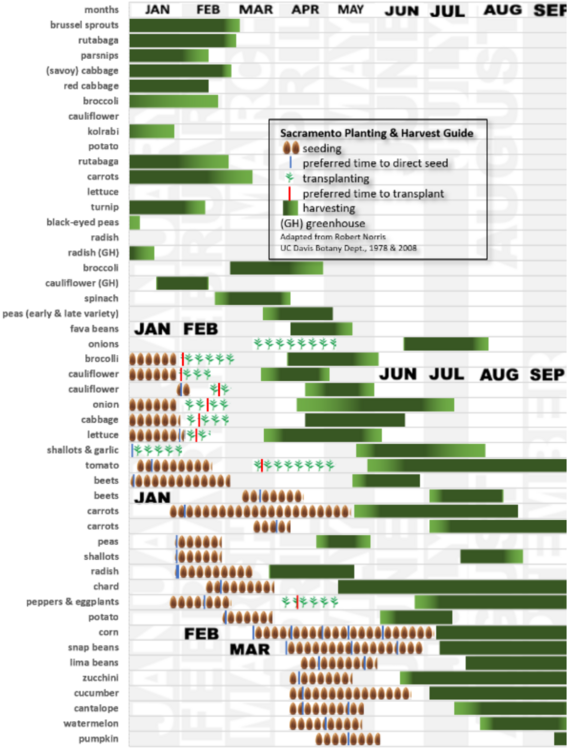
Check out the companion plants along with the harvest and plant guide below for plants to plant by seed or transplant. Consider companion planting caveats when compared to intercropping.
|
|
Companion plants
|
Plants to Avoid
|
|
Corn
|
Pole Beans, Thyme, Squash, Potatoes, Dill, Mint
|
Cabbages, Tomatoes, Eggplant, Fennel
|
|
Snap Beans
|
Beets, Cabbage, Carrots, Cauliflower, Celery, Corn, Cucumbers, eggplants, Peas, Radishes, Rosemary, and Sunflowers
|
Basil, Members of the Onion Family, and Kohlrabi
|
|
Cucumber
|
Peas, corn, beans, lentils, legumes, radishes, beets, carrots, and onions.
|
Potatoes, Sage, Melons
|
|
|
Sacramento Area Planting and Harvest Guide |
|
Edible Low Water Use Plant Profile
|
|
|
|
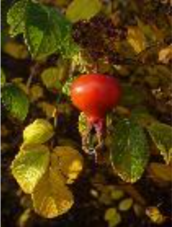
See the edible low water use plant example found in the City of Sacramento’s River Friendly Landscape Plant List below.
Japanese Rose or Rugosa Rose
PRosa rugosa
Size: 6 ft. x 6 ft.
Water Requirement: Medium
Type: Shrub
Edible Uses: Fruit - raw or cooked. They are very sweet and pleasant to eat, though it takes quite a bit of patience to eat any quantity. The fruit is a fairly large size for a rose with a relatively thick layer of flesh. The fruit is about one inch in diameter. Rich in vitamin C, containing up to 2.75% dry weight. Some care has to be taken when eating this fruit, see the notes below on known hazards. Flowers - raw or cooked. An aromatic flavor, they are also used in jellies and preserves. Remove the bitter white base of the petals before using them. Young shoots - cooked and used as a potherb. Harvested as they come through the ground in spring and are still tender. The seed is a good source of vitamin E, it can be ground into a powder and mixed with flour or added to other foods as a supplement. Be sure to remove the seed hairs. A pleasant tasting fruity-flavored tea is made from the fruit, it is rich in vitamin C. A tea is also made from the leaves.
Physical Characteristics: This deciduous shrub grows at a medium rate and is not frost tender. It is in flower from June to August, and the seeds ripen from August to October. The species is hermaphrodite (has both male and female organs) and is pollinated by Insects. The plant is self-fertile. Suitable for: light (sandy), medium (loamy) and heavy (clay) soils, prefers well-drained soil and can grow in heavy clay soil. Suitable pH: mildly acid, neutral and basic (mildly alkaline) soils. It can grow in semi-shade (light woodland) or no shade. It prefers dry or moist soil. The plant can tolerate maritime exposure.
Known Hazards: There is a layer of hairs around the seeds just beneath the flesh of the fruit. These hairs can cause irritation to the mouth and digestive tract if ingested.
|
|
Resources, Website & Contact |
|
|
Disclaimer: messages and content are provided by volunteers, some of which are CalRecycle employees. CalRecycle, the “Department”, makes no warranties with respect to the accuracy of the information or its suitability for any particular purpose, and is providing access to this communication tool for (CalEPA) employee enrichment.
|
|
|
|
|
|
|
|
|