“DCFS is humbling itself and realizing the power and insight that exist at the local level,” he said, adding that he views the CPP as a contract with the community — a promise of how collaboration can strengthen families and keep them safely together.
Child and family well-being is a shared responsibility acknowledged by the Los Angeles County contingent of DCFS leaders, providers, advocates, funders, community members and others who attended the convening.
By investing in prevention work on the ground, DCFS intends to make the safety net for children more robust and resources more accessible to families to prevent them from ever becoming involved with the child welfare system.
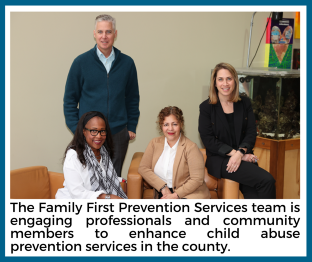
Deputy Director Angela Parks-Pyles, the executive sponsor of the DCFS FFPS implementation team, echoed Director Nichols’ optimism.
“We will continue to be trailblazers in this work!” she said, pledging the department’s continued cooperation as facilitators and champions while the process to expand services and enhance local capacity evolves.
Throughout the day, those gathered reviewed data and recommendations included in the CPP. FFPS implementation team members additionally shared how the plan addresses the over-representation of Black families in the child welfare system, including identifying culturally relevant services and finding innovative ways to build and sustain these resources.
At small table discussions, more was shared by advocates, service provider representatives, community members and individuals with lived expertise about the ongoing work to shift decision-making on service design and delivery to the community, rather than prescribing a top-down approach.
One attendee said they were surprised not only at the candid feedback gathered from community focus groups but also by the humility shown by system administrators and their receptivity to such feedback.
Attendees ended the day poised to use their collective energy and interdisciplinary knowledge to propel the CPP forward. In the coming months, efforts will focus on establishing reliable feedback channels, as well as recruiting more lived experience experts and helping them develop advocacy abilities to impact system change.
Confident that these next steps will allow the department to better integrate feedback from experts and other local partners, the FFPS team ultimately envisions a county where children and families receive the help they need from community organizations to successfully navigate life’s challenges before ever experiencing a crisis.
Click here to learn more about FFPS and DCFS’s implementation efforts as well as preventative services currently available.
|