|
Choose IPM to manage lawn pests
April 16, 2024
|
|
Warmer weather means more outdoor activities
If you have a lawn, it may be time to start planning how to keep it in shape all season long. Choose integrated pest management (IPM) to manage common lawn pests like weeds or gophers. IPM practices -- like keeping your lawn and soil healthy, removing weeds by hand or with tools, and using traps to remove burrowing rodents -- are fundamental for reducing pests and pesticides using safe, effective, sustainable pest management.
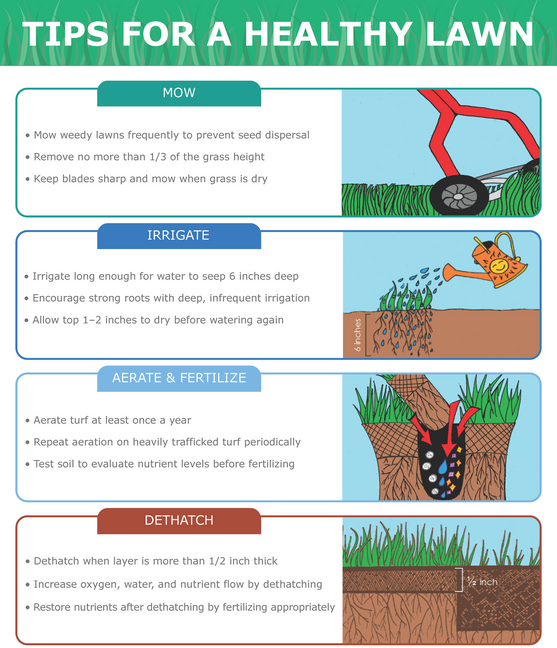
DPR's "Tips for a Healthy Lawn" factsheet is a great place to start. Check out the other resources below to discover more about IPM practices that will keep your yard in tip-top shape for the season.

|
|
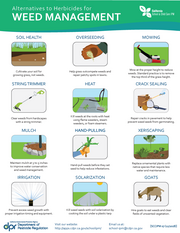
Check out the Alternatives to Herbicides factsheet for techniques to manage weeds in your lawn or hardscape without using pesticides.
|
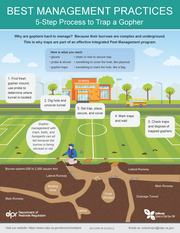
Gophers have complex, underground burrows that can make them hard to treat. Trapping is an essential tool for removing gophers without rodenticides. The “5-step process to Trap a Gopher” factsheet is a visual guide to using gopher traps effectively.
|

Mowing with a sharp blade helps make your lawn greener and more resistant to weeds. See the difference in the "Mowing with a Sharp Blade" video on YouTube.
|
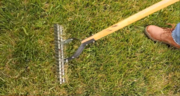
Dethatching your lawn helps water and nutrients better reach grass roots, which makes your lawn healthier and more resistant to weeds. Watch the "Dethatching your Lawn" video to see dethatching in action.
|
|
|
Questions? Contact Us:
Please contact the Department of Pesticide Regulation’s Integrated Pest Management Branch by emailing AskIPM@cdpr.ca.gov. For additional information about the IPM Branch, please visit DPR’s website.
|
|
Who We Are
The California Department of Pesticide Regulation protects human health and the environment by fostering safer and sustainable pest management practices and operating a robust regulatory system to monitor and manage the sale and use of pesticides across the state. DPR’s work includes registering all pesticides sold or used in California, conducting scientific evaluation of pesticides to assess and mitigate potential harm to human health or the environment, investing in innovative research to encourage the development and adoption of integrated pest management tools and practices, monitoring for pesticides in the air and water, conducting outreach to ensure pesticide workers, farmworkers and local communities have access to safety information, and enforcing pesticide regulations in coordination with 55 County Agricultural Commissioners and their 500 field inspectors.
|
|
|
|