
Safe Driving in the Rain
City of Culver City sent this bulletin at 02/16/2017 05:03 PM PST
Safe Driving in the Rain
Courtesy of the County of Los Angeles Department of Public Health
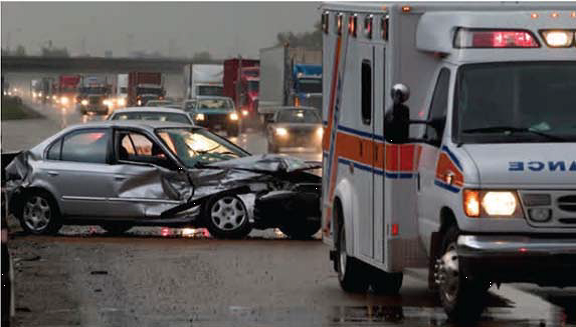
According to the California Highway Patrol, auto accidents increase by over 200% when it rains because people do not change their driving habits on wet roads. We want to make sure all Culver City residents and visitors remain diligent and take precautions when driving. When the road is wet, there is a film of water on top of the asphalt that causes tires to lose traction. Less obvious is the fact that rain reduces driving perception. It is harder to see because visibility is limited from the rain acting on headlights, windshields, and the road itself. While most people slow down when it rains, there are other precautions that can help keep you, and those who share the road with you, safe.
Inspect Your Vehicle Before Getting on the Road
Before using your vehicle, check both your windshield wipers and car tires to make sure they are in good condition. Worn-out wiper blades will compromise your view through the windshield and balding tires will greatly reduce your traction. If the tread depth on your tires is less than 1/16 of an inch, it is time for new tires. A tire center or your mechanic can check your tread depth to make sure your tires are properly inflated and balanced.
Help Others See You
Be sure your headlights, tail lights, brake lights, and turn signals are working. Even though you may not need them, headlights will make your car more noticeable to other drivers. In California, if weather conditions require you to use your windshield wipers, you must turn on your low‐beam headlights – it’s the law.
Defog Your Windows
Rainy weather can quickly cause your windshield to fog. Turn on the defrosters to obtain visibility on the road. Most vehicles will automatically engage the A/C when the defrost function is selected.
Keep a Safe Distance
Never tailgate during a rainstorm. It is not a good driving habit in any weather, but it is particularly risky when roads are wet and stopping can take up to three times the normal distance. Be alert for brake lights and turn signals on the road and make sure to use your signals to notify other drivers of your intentions. Keep adequate distance from trucks and buses as larger vehicles create road spray from their tires which can reduce your visibility.
Know How to Handle Hydroplaning
Hydroplaning occurs when a layer of water builds between the wheels of your vehicle and the road surface, resulting in a loss of traction that limits your ability to turn and use your brakes. If you feel your car is starting to hydroplane do not turn the steering wheel sharply or slam on the brakes. Instead, take your foot off the gas slowly and steer straight until you feel the car regain its traction. If your car has an automatic transmission, slow down by lightly tapping the brakes. If your car has a manual transmission, step on the clutch and let the car slow down on its own.
Beware of Deep or Running Water
Puddles often build up on the road during a heavy rain. If you cannot tell how deep a puddle is, choose a different route or drive around it. A deep pothole can damage your car or splash up enough water to damage your engine. Strong water currents can also push your car into another car, other objects, or into deeper water. Turn back rather than test your car's limits.
Practice Safe Driving Habits
Driving in the rain can be distracting, even to an experienced driver. When you first get into your car, wipe your shoes on your car mat to make sure they do not slip on the pedals. Use your headlights, windshield wipers, and defogger to increase your visibility. Drivers who are tired or distracted by eating, drinking, or talking should also pull over and wait for the rain to subside.
Slow Down!
Reducing your speed is important for multiple reasons. Rainy days tend to be darker and sometimes foggy, reducing your visibility. You need more time to stop your car on wet pavement. During the first few hours of a rainstorm, accumulated oil and grease are lifted off the road, creating a slick surface. Slowing down increases your traction since more of your tire tread will be touching the pavement. Obey posted road blocks, warning signs of trouble ahead and slower speed requirements. Slowing down in wet weather reduces the chances of skidding or hydroplaning, while making it easier to recover from an unexpected situation.


