|
On Saturday, March 15th, Ward 3 attended the Amphi Resource Fair at Sacred Heart Catholic Church’s park. This resource fair was coordinated by the Community Safety, Health, and Wellness Program as a part of the VIVA (Violence Interruption and Vitalization Action) Program efforts along the Fort Lowell Corridor.
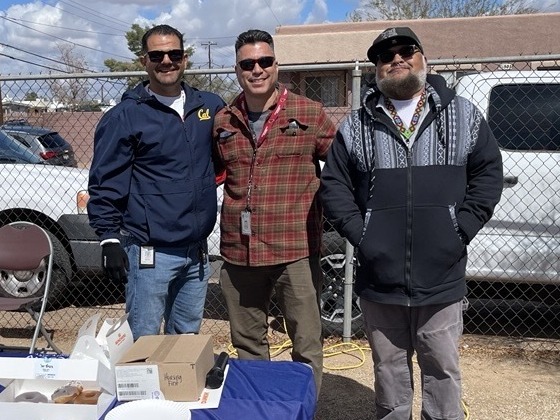 Community Safety, Health, and Wellness Program’s Community Enrichment Coordinators Oscar Medina and Isaac Durgin and Care Coordinator Ricky Romero.
The Fort Lowell Corridor is the fourth and most recent addition to the VIVA sites. This data-driven Program intentionally coordinates collaboration between City departments, local stakeholders and organizations, and residents to bring essential resources and reinvestment to these sites. Its goals include reducing crime, with a particular focus on addressing gun violence, strengthening community connections, and reactivating community spaces.
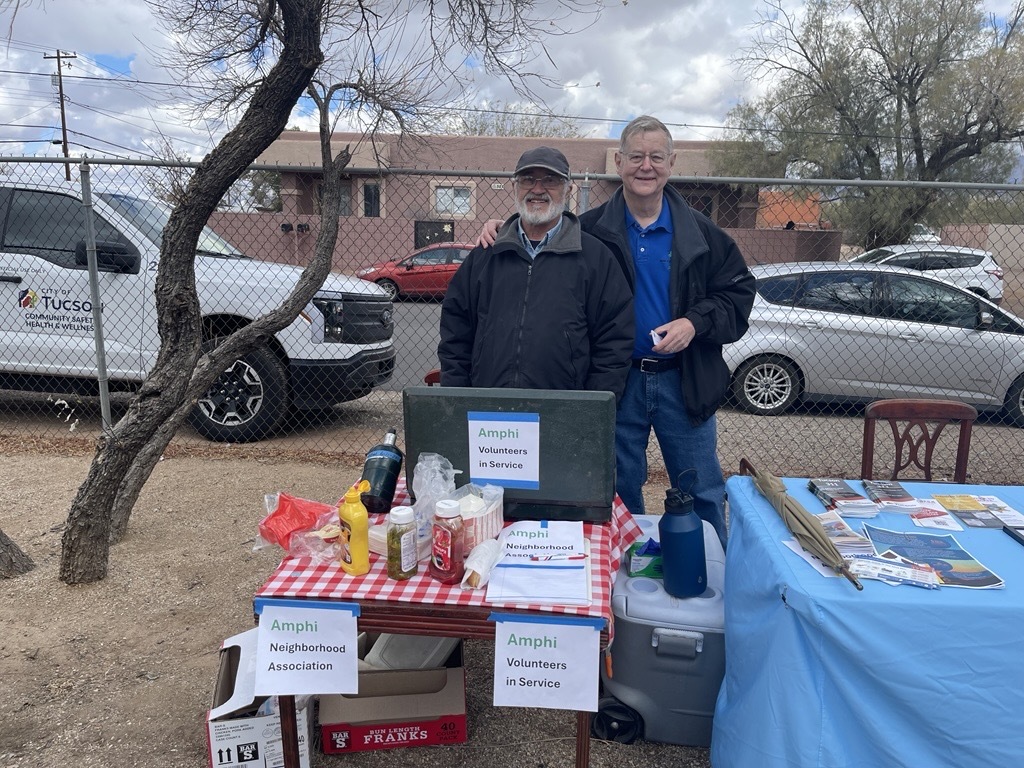 Amphi Neighborhood Association members Cesar and Tom grilling hot dogs.
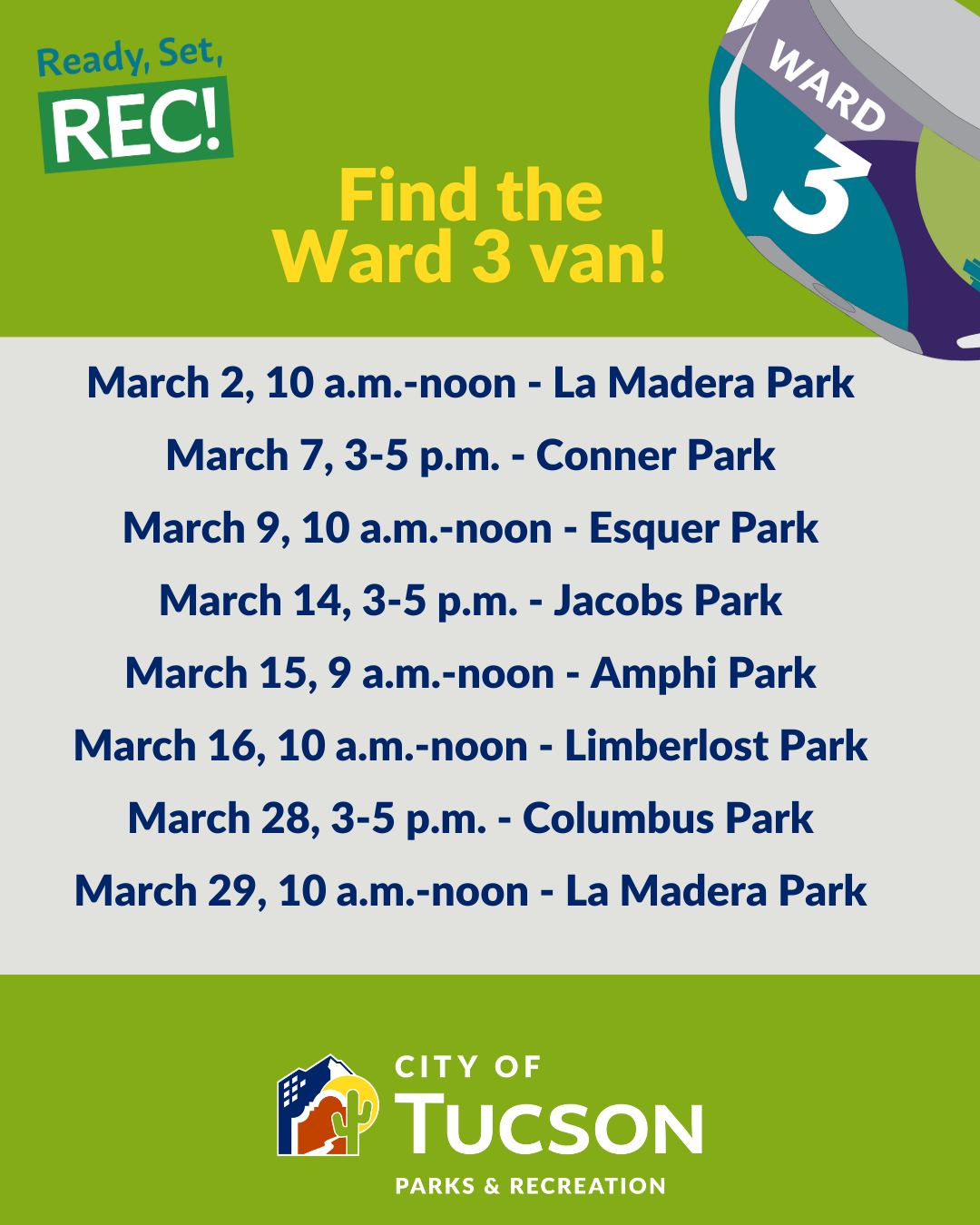
Although we did experience colder weather that day, it did not stop over 90 community members from attending. The resource fair had 29 resource providers distributing information about services such as after school programming, food assistance, affordable housing, case management, and tenant empowerment. Additionally, the Ready, Set, REC! Van provided lawn games and tricycles for the kids, the Amphi Neighborhood Association handed out free hot dogs, Living Streets Alliance provided free bike repair, and Pima County was offering booster vaccines and wellness checks.
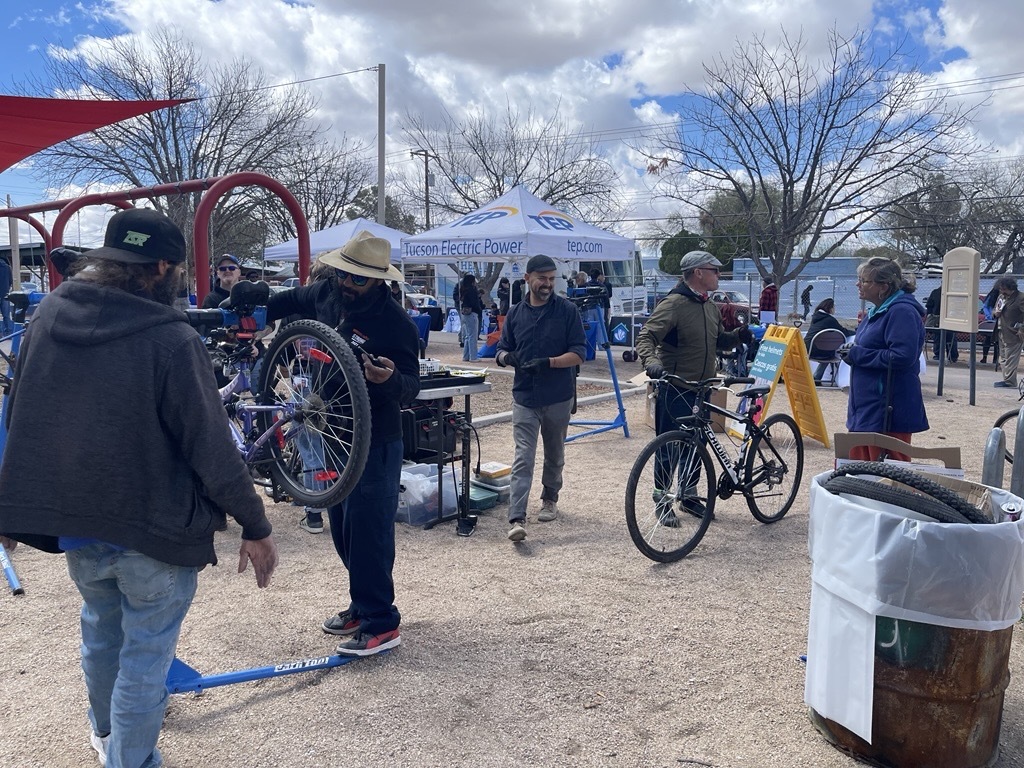 Living Streets Alliance bike mechanics fixing residents’ bikes.
Thanks to the collaboration of various organizations and City departments, attendees were able to access essential resources, enjoy free family-friendly activities, and connect with local services. The event not only showcased the vibrant, welcoming, and supportive nature of the Amphi community but also highlighted the impact of community partnerships and the importance of meeting people where they are.
If you haven’t heard of Sonora Environmental Research Institute or SERI for short, it's not your fault. This small but mighty community-based non-profit has been partnering with neighborhoods to mitigate exposure to economic, environmental and health stress for over 30 years. From smoke and lead detectors, to appliances and water harvesting, SERI has been hard at work bringing local and federal funding to communities rarely impacted by government-led efforts.
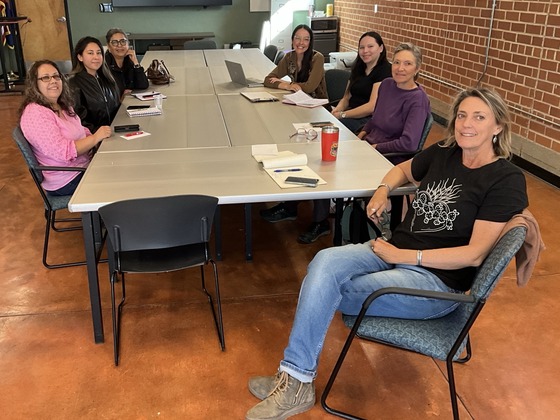 From left: Imelda Cortez -Environmental Health Promotora, Hilda Cortez -Environmental Justice Training Coordinator, Palmira Henriquez -Senior Environmental Health Promotora, Naomi Lee -Council Aide, Marlene Avelino - Council Aide, Ann Marie Wolf - President, and Katie Bolger -Chief of Staff
The success rate of these programs is attributed to their Promotora program. Promotoras are community health educators, whose work is to explain everything from lead detectors and water harvesting to reproductive health. Their strength lies in coming from the communities they are serving. Primarily working in Spanish, they are often invited into people's homes while canvassing and their ability to connect culturally allows for more ease while sharing information.
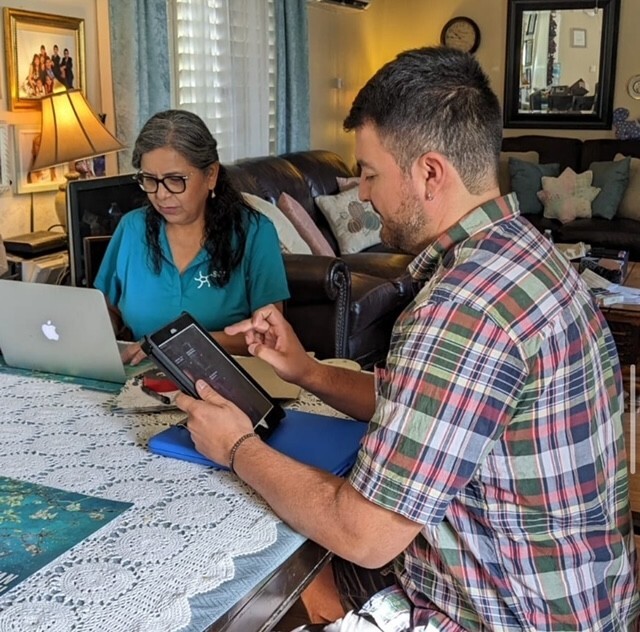 Palmira Henriquez going over program details with a homeowner.
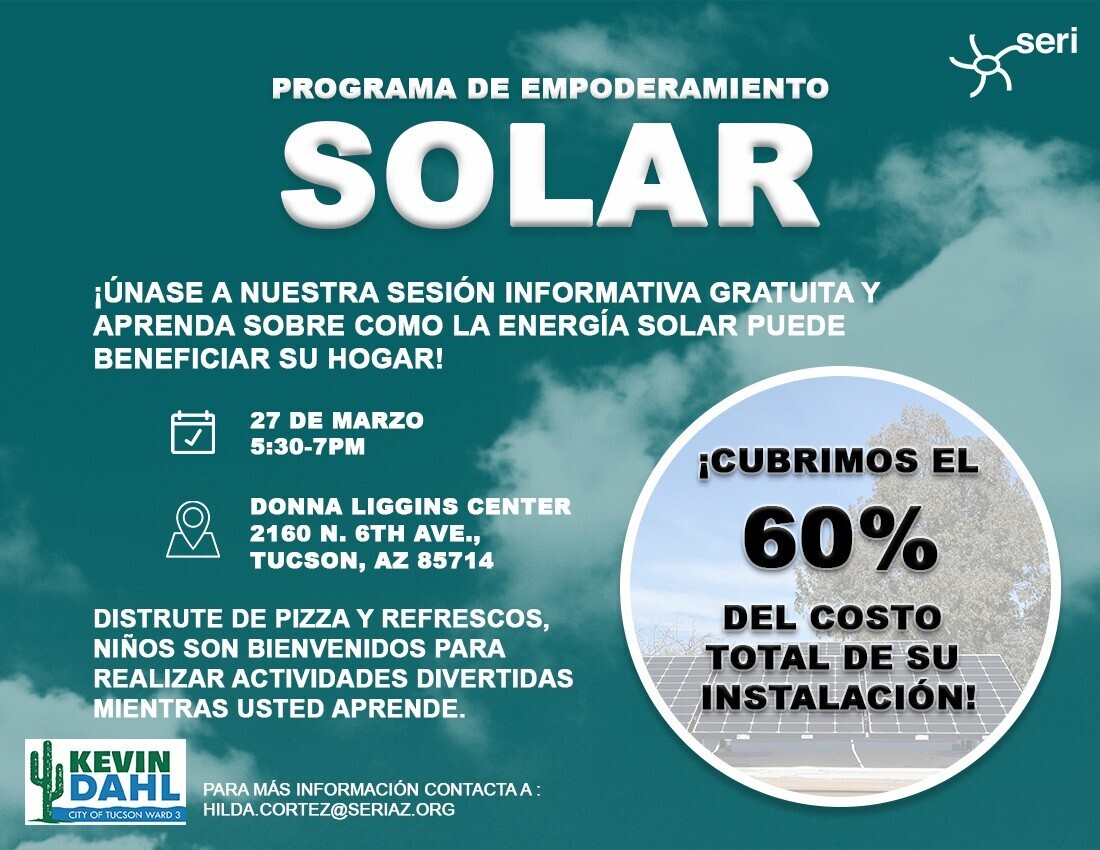
Currently SERI is focusing on two programs that can be layered together. The first is the Solar Empowerment Program in partnership with Technicians for Sustainability, from their website, “few low-income families can afford the up-front costs or have the financial credit rating to obtain rooftop solar systems to lower their energy costs. Many residents lack knowledge regarding solar technologies and have pre-existing vulnerabilities including poor housing and economic instability. They are caught in a wicked problem: they pay a higher percentage of their income for energy than others in Arizona yet have fewer opportunities to participate in solutions.” This program works with individuals and families to understand the benefits of solar, the different options, navigating the application process for grants and loans if necessary, and scheduling install. This type of wrap around support makes it possible for more families to access solar.
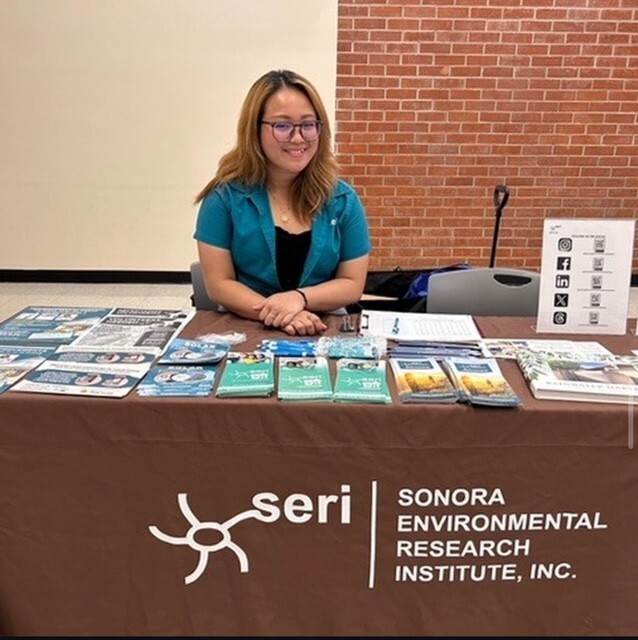 Jella Balgos -Community Outreach Specialist set up at a community event.
The second program is their Healthy Homes Program, providing zero to low interest loans for home improvements. Homes require regular maintenance due to weather, wear-and-tear and aging; many families put off necessary repairs due to financial constraints. Funded by the National Fair Housing Alliance, this program aims to fill the gap. Utilizing an app developed by SERI President Ann Marie Wolf, a home assessment is conducted that looks for mold, asthma triggers, asbestos, carbon monoxide, indoor air quality, fire and fall risks, and other housing related hazards. Participants then receive a report of the results, smoke alarms and an educational packet discussing methods to make their home healthier. SERI then assists with the full project- including hiring contractors, home repair supplies and materials. For communities that are busy making ends meet on a daily basis, this level of hand holding through the process is necessary to make it through the finish line.
 SERI’s mission statement is clear “We work to create a sustainable world where there is environmental justice and opportunity for all people regardless of economic, ethnic, nationality or gender status.”
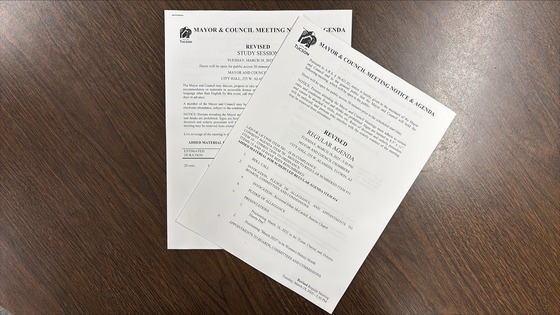 Study Session included a discussion on the removal of the eight year cap on the Environmental Services Advisory Committee and an update on Strategic Initiatives Related to Unsheltered Homelessness and the Fentanyl/Opioid Public Health Crisis.
Regular Session included amendments to the Tucson Code to prohibit activity on traffic medians and prohibiting camping in washes and public parks.
For the complete Study Session and Regular Agenda please click on the buttons below.
To watch the full coverage of the Mayor and Council meeting on March 18, 2025, please click on the button below.
|