|
Having trouble viewing this email? View it as a Web page.
A proposal to allow casitas, or Accessory Dwelling Units (ADUs), in Tucson was recommended for approval by the Planning Commission. Mayor and Council will hold a Public Hearing on October 19 before they consider adopting this code amendment. Email cityclerk@tucsonaz.gov to submit comments or request to speak at the hearing.
Casitas, or ADUs, are independent living spaces with their own kitchen. They provide more flexible housing options, support aging in place, and are a way of promoting sustainable infill development. The proposal to allow casitas in Tucson was developed based on input from the public and a stakeholder group over the past 10 months.
Review Frequently Asked Questions about the casita proposal
Watch a video to see examples of casitas in Tucson and learn more about the proposal!
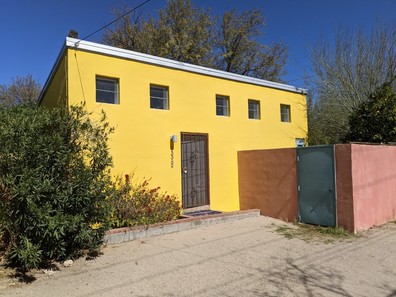 Currently, these types of units are restricted to either a guest house without a kitchen, or are considered a second dwelling unit and can only be built on large lots. This proposal would make it easier to build casitas across the city.
The current proposal would allow:
- One ADU to be built on any residential lot in the city (meaning a lot with one or two homes)
- The maximum size of the ADU would be 1,000 square feet for lots over 7,000 square feet and 750 square feet on lots under 7,000 square feet
- All other dimensional standards, including maximum building height, lot coverage, and setbacks would apply
- One parking space would be required per ADU, which could be waived for sites that are a quarter-mile from transit or a bike boulevard; on-street parking can also be used
- Each newly constructed ADU would be required to have a cool roof
Learn more: take a look at this flyer for an overview of the proposal (folleto en Español) or visit the project webpage for more background.
Looking for ways to make sure your building permit gets reviewed on time? Wondering what to expect after you submit a permit?
Here are a few things to keep in mind:
- All permits are processed electronically. Check out guidance for submitting a permit before you submit online.
- The best way to help your plans get approved is to submit all items noted on the checklists for a residential or commercial permit - review carefully before you submit.
- The standard review period for each submission is 30 calendar days and all comments or corrections are posted on Property Research Online.
Mayor & Council has directed City staff to develop amendments to the Unified Development Code (UDC) that will:
- Require new multifamily and commercial development to provide electric vehicle (EV) charging infrastructure
- Allow for restaurant patio expansions as part of the permanent Expanded Restaurant Seating Program
These changes to parking regulations are proposed as part of the City's climate action response, ongoing support for local businesses, and goals for high quality public outdoor spaces.
View an overview of the initiative recently presented to Mayor and Council.
Stay tuned for more information on public meetings to be held in November to gather feedback on these potential changes to commercial parking requirements. Review additional background here.
The Menlo Park Neighborhood, in collaboration with Ward 1 and the City of Tucson, is preparing a Neighborhood Plan to help guide future development. The Menlo Park Neighborhood Plan Steering Committee is hosting a series of Community Conversations on Saturday October 16, 23, 30, and November 6. This is an opportunity for residents, businesses, and property owners to share their desires and concerns about a range of topics, including housing, transportation, jobs, parks, and land use.
See this flyer for dates and locations
Learn more about the Neighborhood Plan
|