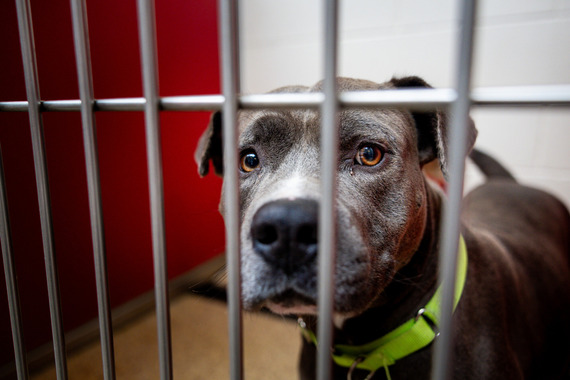
 Distemper outbreak at PACC halting adoptions and restricting intake
PIMA COUNTY, June 17, 2026 – An outbreak of several diseases in its shelter has caused Pima Animal Care Center to limit intake of animals to only those posing a risk to the public or those in need of emergency care through at least July 2. The limited intake began today. Adoptions also have been halted until animals are confirmed disease free and safe to leave the shelter.
Staff is managing a variety of infections in the shelter, including canine distemper and respiratory infections that have bloomed in the County’s canine population. PACC has eight dogs who have tested positive for distemper, and one has died.
Exacerbating the issue is a shelter census that’s near 500 dogs, which will be made worse by the upcoming July 4 holiday when the census spikes due to the large number of dogs who run away from home after being spooked by the booming fireworks across the metro area. The limited intake may last beyond Independence Day.
The halt in adoptions also affects the new eastside adoption center, 7225 E. Broadway Blvd.
PACC is managing the spread of illness in the shelter by erecting isolation kennels to house groups of dogs who are suffering from the same or similar illnesses, conducting diagnostic tests to better identify the specific viruses present in the population and limiting dog-to-dog contact in the shelter. PACC is actively testing every animal in the shelter and is awaiting results to determine which dogs have the disease to aid its quarantine efforts.
“This is an extraordinary action we’re having to take but we believe it is a necessary one to control and resolve the outbreak at the shelter and to ensure that PACC is not a source of disease spread in the community, which would be devastating,” said Pima County Administrator Jan Lesher. “We’re asking and hoping the community pitches in and helps keep stray pets safe while PACC works through this challenging time. We are doing everything we can to safely take in stray pets and resume adoptions.”
Lesher added that anyone with pets should double check their yards and fences before July 4 to help reduce the incidence of frightened, runaway pets during July 4th.
Distemper has a 50 percent death rate for adult dogs, 80 percent for puppies. Because it’s a virus, vaccination and quarantine are the primary methods to prevent disease spread.
Anyone who has adopted or fostered a dog from PACC in the past three weeks should keep a close eye on the animal for signs of illness.
Common symptoms:
- Discharge from the eyes and nose
- Fever
- Coughing
- Lethargy
- Reduced appetite
- Vomiting
- Diarrhea
Other symptoms:
- Walking in circles, unable to follow a straight path
- Head tilt
- Lack of coordination
- Muscle twitches
- Convulsions with jaw-chewing movements (“chewing gum fits”) and drooling
- Seizures
- Partial or complete paralysis
PACC isn’t alone in facing illness issues. Pinal County has had to modify operations due to distemper. And the Humane Society of Southern Arizona recently adjusted clinic schedules due to Strep Zoo concerns.
PACC Director Steve Kozachik is asking the public who encounter strays during the period of limited intake to help the shelter by hanging onto those healthy, friendly animals and help look for their owners. Around 70 percent of PACC’s annual intake are stray dogs who likely have homes. Many of these dogs are housetrained, know tricks, and sometimes have microchips but the information is not up to date.
If a member of the public finds a friendly, healthy stray dog during this time, they are encouraged to:
- Check for a tag with a phone number.
- Hang onto the pet to try and find the owner. (Statistics show that stray pets are usually found within a mile of their homes).
- Put up flyers in the area where the dog was found.
- Talk to neighbors and see if anyone recognizes the dog.
“We continue to urge members of the public to rely on neighborhood list serves, Next Door, Petco Love Lost and other social media forms to locate the owner of strays,” Kozachik said. “Take happy, healthy strays to your local veterinarian, and they can scan it for a microchip. They do not belong in a shelter.”
Staff are also calling people who have recently turned over a stray dog to the shelter whose owner has not been found and asking them to consider fostering the dog.
For owned pets in which a family has been considering surrendering the pet to PACC, the Pet Support Team is working with folks to determine if PACC can provide resources such as food or medical care to keep the pet with the owner. Depending on the need, Friends of PACC might be able to cover some of the asks like pet food, vaccinations, or microchips.
FAQs
How many dogs have it?
PACC is testing all the animals to determine that. An animal can be asymptomatic and still shedding virus. So far, 8 dogs have tested positive.
How long has the outbreak been going on at PACC?
Two weeks
Why stopping adoptions and limiting intake now?
It has become a shelter-wide issue and it wouldn’t be ethical to allow adoptions when we’re uncertain if a dog has been exposed or infected.
How many dogs have died so far?
1
Do you automatically vaccinate dogs for distemper when you bring them in?
No, but PACC is reviewing that policy. PACC takes in about 16,000-18,000 animals a year and funding would need to be identified to provide all those vaccinations.
When is it safe to adopt or foster those dogs?
We are waiting for test results. Animals that test negative and are vaccinated may be made available for adoption. But it may take at least two weeks or more to safely allow adoptions and fostering.
What should a pet owner do if it thinks their pet has distemper or has been exposed and they don’t know the pet’s vaccination status?
Take your pet to the vet immediately.
Are the dogs that get distemper and survive adoptable?
Yes
|