Partner with us to make Pima County safer at pools
Pima County Health Department’s Consumer Health & Food Safety (CHFS) team is committed to decreasing drowning dangers and improving safety at every aquatic facility in our community. With over 2,400 permitted pools and spas countywide, collaboration is key. We’re inviting aquatic permit holders and community members to join us in building stronger layers of protection for families.
Clases de Certificación en Seguridad Alimentaria ahora disponibles en español
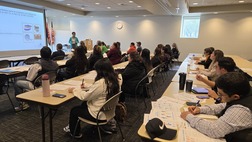
Les queremos compartir que nuestro equipo ahora ofrece clases presenciales de Seguridad Alimentaria y clase de certificación para encargados/técnicos de albercas en español.
Toda la instrucción se imparte completamente en español, incluyendo la enseñanza, los materiales del curso y los exámenes.
|
Food Safety and Pool Operator/Technician Certification Classes now available in Spanish
The CHFS team now offers in-person Food Safety and Pool Operator/Technician Certification classes in Spanish. All instruction is delivered entirely in Spanish, including teaching, course materials, and exams. A minimum of five participants is required for each class. If the minimum is not met, the class will be canceled.
Good hygiene training matters in good businesses
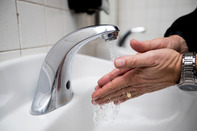
When a sick employee comes to work, it can cost far more than a missed shift. Foodborne illness outbreaks linked to ill workers can lead to lost customers, damaged reputation, lower inspection ratings, and even temporary closures. The good news? These situations are highly preventable with clear employee health policies and training.
|
Why proper handling of vomit and fecal accidents matters
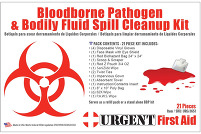
When accidents involving vomit and diarrhea happen, being prepared can protect your customers, your staff, and your business.
Vomit and diarrhea can spread norovirus and other germs in seconds, contaminating surfaces, utensils, and food. If these accidents are not cleaned up correctly, your business could face costly consequences
|
Understanding notices of violation at events
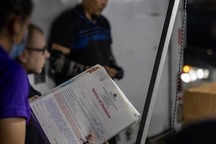
Food vendors are a vital part of festivals, fairs, and community events, and ensuring food is served safely is a shared responsibility. One of the primary tools used to protect public health during these events is a Notice of Violation (NOV). While the term can sound intimidating, the NOV process is intended to identify potential risks, correct issues, and provide education and support — not punishment.
|
Spring Cleaning for Health: Stop dengue and pests before they make your home their home
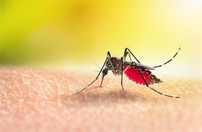
As Southern Arizona warms up, spring cleaning is more than a seasonal tradition—it’s a proactive step to protect your family and community. Recent West Nile Virus and dengue cases nearby remind us that sicknesses caused by mosquitoes are no longer distant threats. Combined with the risk of rodents in cluttered spaces, the message is clear: prevention starts at home.
|
Public safety spotlight: Choosing the right bleach for food contact surfaces

Household bleach is commonly used in retail food establishments as a sanitizer, but not all bleach products are safe for sanitizing food contact surfaces. Using the wrong type can lead to unsafe conditions and violations of food safety standards.
Be sure you know which bleach is safe to use.
|
Why multiple inspectors may be present
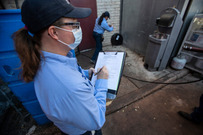
When one inspector shows up, it can make people nervous. Now imagine a few more.
But seeing multiple inspectors does not mean your establishment will receive more violations or be scored more harshly. In most cases, additional staff are present for training, quality assurance, or support purposes, not because of any concern about your facility.
|
|