|
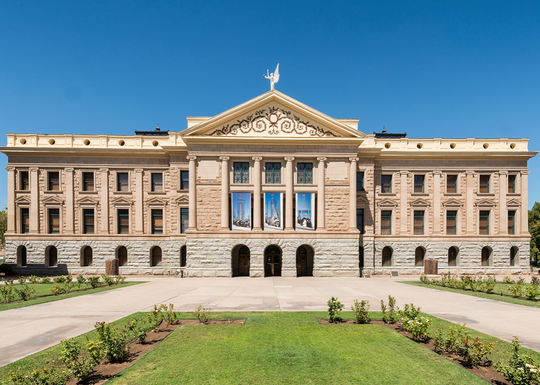
Each year, the regular session of the Arizona Legislature begins on the second Monday of January. The body is meant to adjourn sine die (a Latin term for adjourning without appointing a date to resume) no later than Saturday of the week of the 100th day of session.
Although Tuesday was the 100th day of session, this is an arbitrary deadline that is almost always extended by the President of the Senate and Speaker of the House who, by rule, may extend the session up to seven additional days. Thereafter, the session can be extended by a majority vote of members present of each house. The chambers will continue meeting to process bills and then send them to the Governor's office.
In the last two weeks, Arizona’s budget negotiations reached a critical juncture, centered on House Bill 2945, a bipartisan measure to address a $122 million shortfall in the Division of Developmental Disabilities (DDD) program, which serves nearly 60,000 Arizonans with autism, cerebral palsy, Down syndrome, and other disabilities. The program faced a funding crisis, projected to run out of money by late April or early May, threatening essential services like in-home care, therapies, and respite support.
Negotiations were marked by partisan clashes. On April 17, Governor Hobbs escalated pressure, announcing a moratorium on signing bills until a DDD funding solution was reached.
Senate Bill 1734, which included cuts to Parents as Paid Caregivers (PPCG) hours (from 40 to 20 weekly) and Medicaid waiver restrictions ultimately didn’t have the votes to enact with an emergency clause. But after weeks of gridlock, a breakthrough came on April 23. The Arizona House passed HB2945 with a 48-11 vote, allocating $122 million from a prescription drug rebate fund to fully fund DDD through the fiscal year. The bill included compromises: capping PPCG hours at 40, prohibiting billing for routine parental tasks, and adding transparency measures to prevent future shortfalls.
On April 24, the Senate overwhelmingly passed HB2945, and was signed by the Governor later that day, ending the bill moratorium. However, the negotiations exposed deeper budget tensions. With the state budget still unresolved past the 100-day legislative target, HB2945’s passage offers temporary relief but signals ongoing fiscal battles ahead.
However, the lifting of the bill moratorium paves the way for important legislative measures such as SB 1144 (jail facilities excise tax; extension) to continue through the finish line hopefully shortly.
We hope you are enjoying the spring weather and will be back next week for another exciting edition of the Weekend Update!
|