
The10 products causing the most problems for waste teams
According to a report by SUEZ, there are 10 items that are causing the most problems for waste teams across the country. When some materials are disposed of incorrectly it can cause significant pressure to recycling and other waste teams.
Sometimes something that may seem harmless can cause the biggest problem.
The report adds that, the problem can create a range of issues from lost recycling material through to fires that cost hundreds of millions of pounds in damaged facilities, while risking life and taking out vital recycling capacity. These issues are reported daily across the UK.
Here’s the items identified – and how to properly dispose of them here in Somerset.
Each of the materials present challenges for different reasons. It demonstrates the need to make sure manufacturers design products with their end of life in mind. This would help ensure that safe and convenient disposal routes exist to get the most value out of every material used.
|
Item |
Why it's a problem |
What to do with it in Somerset |
|
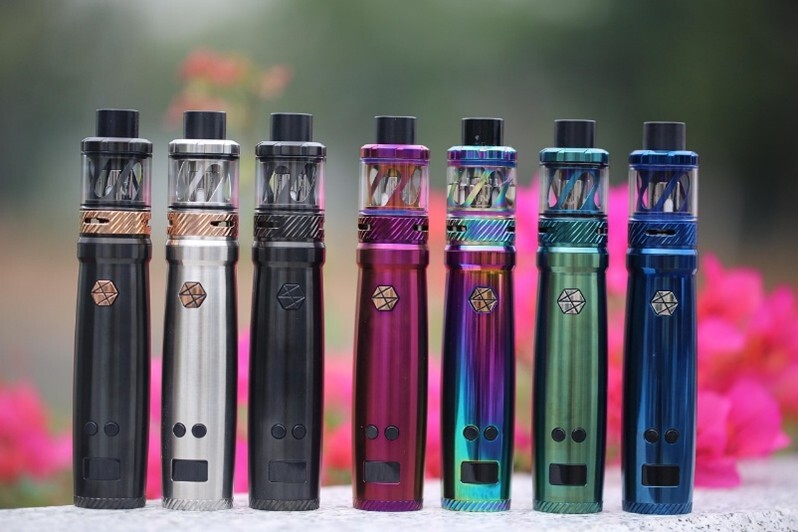
Vapes |
Contain lithium-ion batteries which can cause fires if put in rubbish or recycling. Millions are still thrown away incorrectly. |
Take to a collection point, any store that sells vapes should have a recycling collection. Take to any recycling site. Separate and add to a clear bag and leave separately on top of your recycling boxes. Never put them in your rubbish, recycling, or food waste bins. |
|
Hidden batteries and small rechargeable devices |
Batteries can be found in toys, fans, tools and gadgets. Damaged batteries can start fires in collection vehicles and recycling facilities. |
Take electrical items to a recycling site. Small electricals can be put in a carrier bag and left for recycling with your kerbside collection. Remove batteries if possible. Never place loose batteries in your bins, add to a different small, clear bag, tie the top and leave on top of your recycling boxes. |
|
Nitrous oxide and gas canisters |
Pressurised canisters can explode when crushed or heated, creating serious safety risks. |
Do not place in household bins. Take gas canisters to a Somerset recycling site and follow on-site guidance for hazardous items. |
|
Mattresses |
Difficult to recycle because they contain multiple layers of different materials. They also take up significant space. |
Reuse if possible, use bulky waste collections where available, or take to a Somerset recycling site that accepts mattresses. |
|
Flexible plastic packaging |
Can become tangled in sorting equipment and cause contamination if collected through the wrong system. |
Take plastic bags to participating supermarket recycling points where appropriate. Some households in the Mendip area and residents living in flats can recycle bags from home. |
|
Nappies and absorbent personal care products |
Lots of these items are thrown away, taking up space in rubbish bins a more expensive way to deal with waste. |
Consider reusable alternatives where practical, find helpful guidance to make the switch online. Place used nappies, adult continence and period products in your rubbish bin. |
|
Household chemicals and paint |
Liquids can leak, contaminate other waste and pose risks to staff. Usable paint is often thrown away unnecessarily. |
Use up what you can, donate usable paint through reuse schemes where available, and take unwanted chemicals and paint to a recycling site. |
|
Food-contaminated recycling |
Food and liquids can reduce the quality of paper, card and other recyclables, this increases processing costs. |
Empty food from packaging before recycling and give packaging a quick rinse. Put food waste in your food recycling bin. |
|
At-home injections and syringes |
Can cause injuries to collection crews and waste workers when disposed of incorrectly. |
Use approved sharps containers and follow guidance from your healthcare provider or local clinical waste service. |
|
Compostable packaging |
Often looks recyclable or suitable for food waste collections but many processing facilities cannot handle it, causing contamination. |
Follow Somerset guidance carefully. Compostable packaging should not go in food waste caddies, or garden waste collections. Only compostable liners are accepted in the food waste recycling. |