 DEQ NEWS
Oct. 5, 2026 Vol. 5, No. 8
Microsoft Agrees to Pay $2.5 Million for Environmental Violations
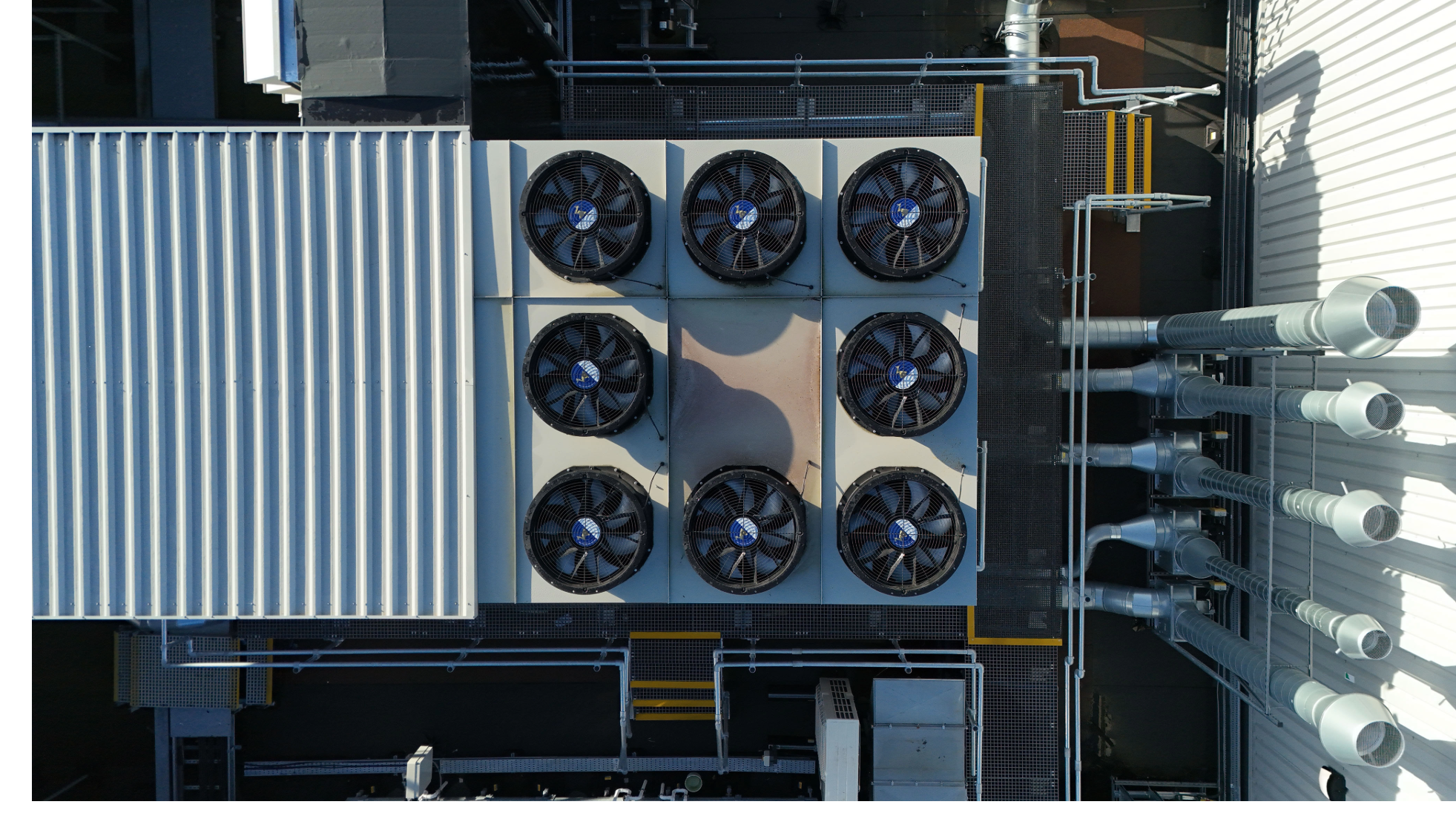
DEQ has secured a nearly $2.5 million settlement in a draft consent order with Microsoft for violations of air regulations at Microsoft's data center in Leesburg, Loudoun County. DEQ is accepting public comment on the draft order until Oct. 14.
During a power outage, the data center used its emergency diesel generators to power the facility for multiple days and, in doing so, violated state air pollution laws and its DEQ air permit.
The consent order, which will resolve Microsoft’s violations, is intended to capture the profit that accrued to Microsoft when it continued to operate the data center after it had exceeded its permit limits. The settlement includes $99,000 to be paid into Virginia’s Environmental Emergency Response Fund, and a $2.4 million Supplemental Environmental Project (SEP) to enhance air quality monitoring near data centers in Virginia.
The SEP will enable DEQ to purchase a mobile air monitoring station and dozens of air quality sensors to augment the agency’s special Data Center Air Monitoring Project. Near real-time data from DEQ’s existing sensors in Northern Virginia is already available, with additional sensors expected to begin collecting data later this year. This data will assist DEQ to determine both the necessity and placement of future enhancements to the agency’s air quality monitoring network and support the agency’s air permit compliance and enforcement initiatives throughout the Commonwealth.
Environmental Justice Guidance Draft Released
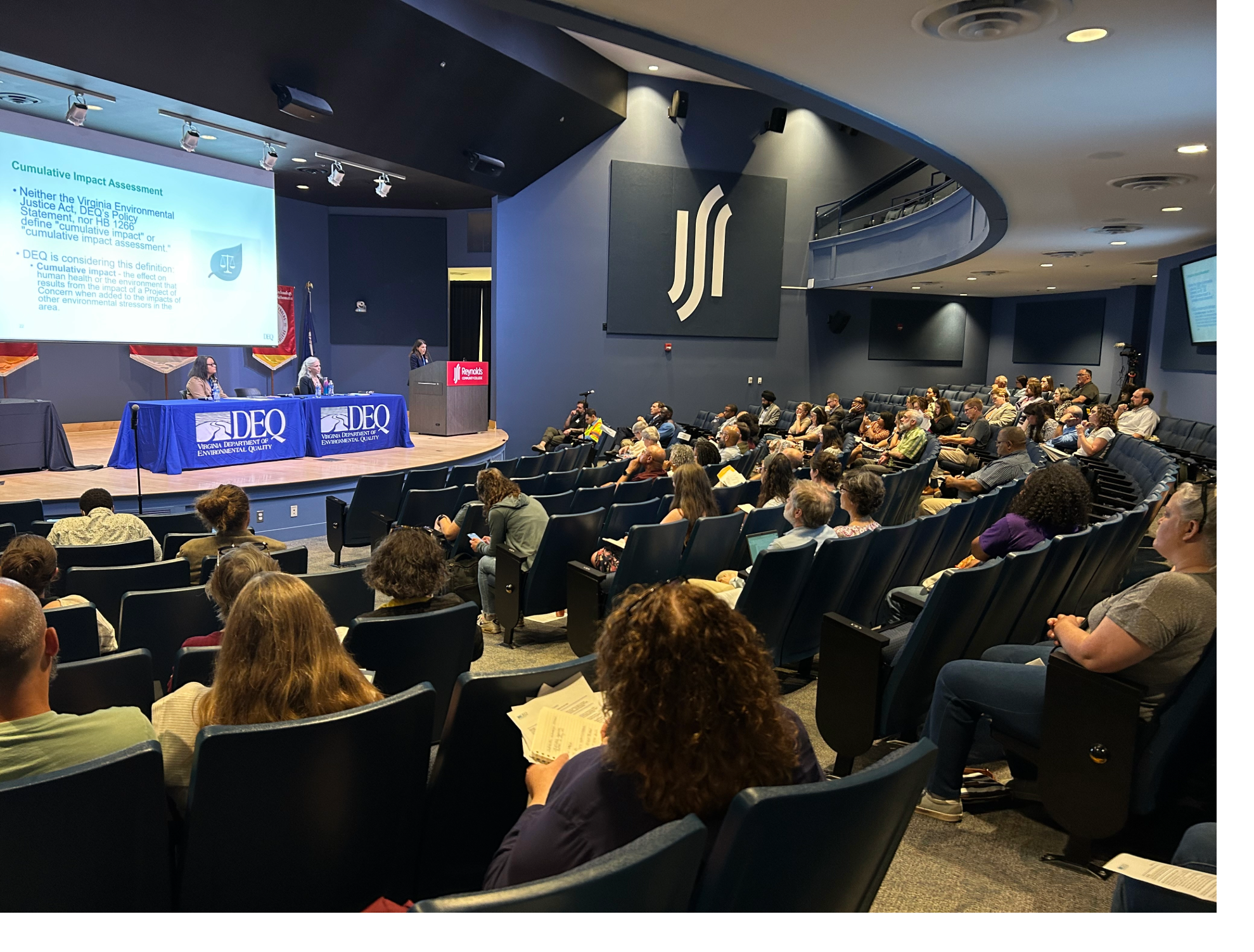
The 2026 draft Environmental Justice in the Permitting Process Guidance Memo is available and open for public comment until Oct. 23. DEQ will host a webinar to share more information about this draft guidance on Oct. 6 from 12 to 1:30 p.m.
In accordance with House Bill 1266 (2026), DEQ was tasked with updating its draft 2023 Environmental Justice in the Permitting Process Guidance Memo to “consider how to assess the cumulative impacts of the types of permits covered in the guidance memo and outreach strategies to engage communities impacted by any such permit.”
To support this effort, DEQ hosted two in-person town hall meetings in July (one in Richmond and one in Virginia Beach) and a virtual town hall meeting in August. This revised draft guidance memo incorporates suggestions received during those meetings, including recommendations for assessing cumulative impacts of certain DEQ-issued permits and outreach strategies for engaging communities impacted by such permits.
For more information on how to submit informal public comments, please visit the Environmental Justice in the Permitting Process Guidance webpage.
New Elevated Temperature Landfill Guidance
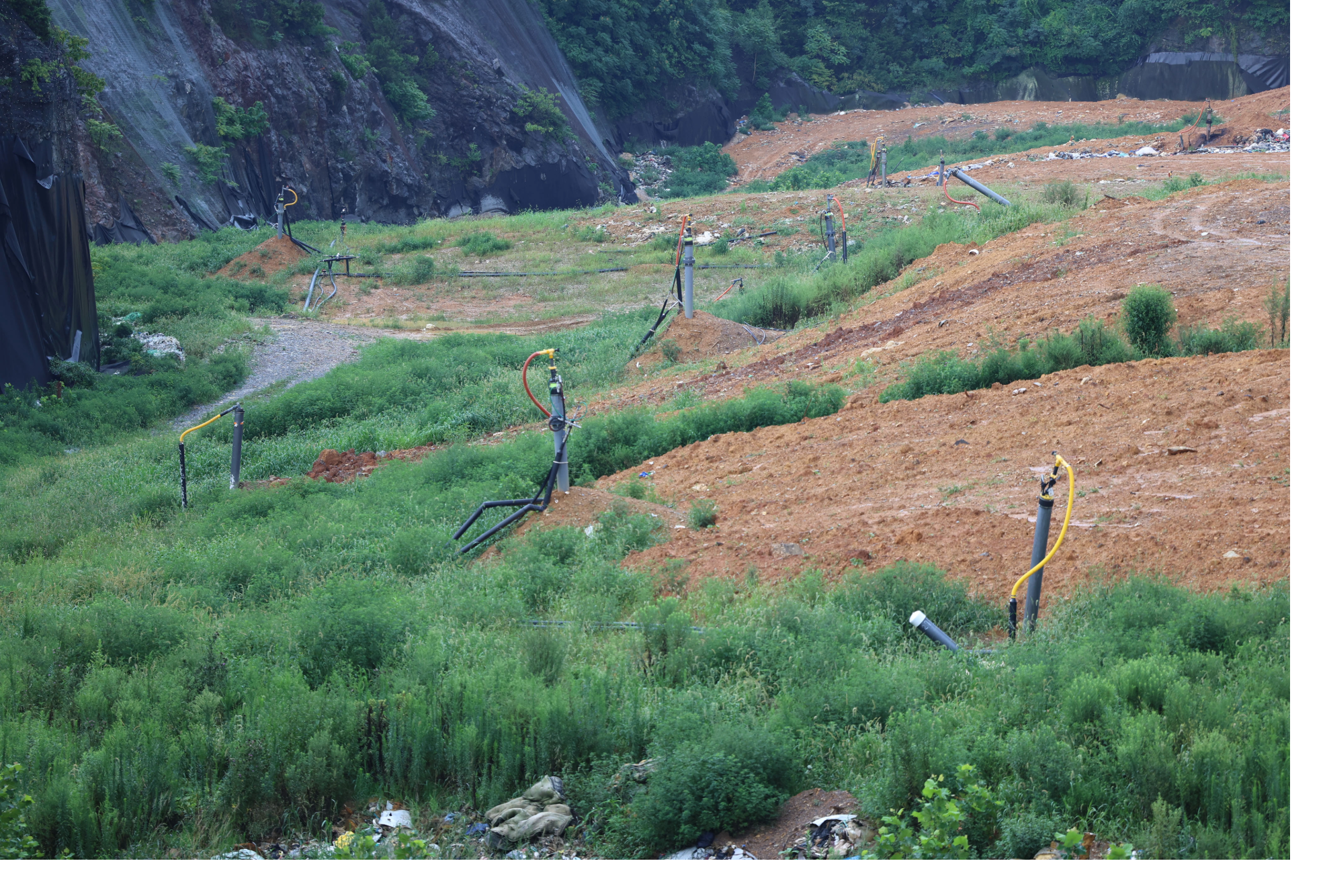 Due to recent issues with elevated temperature landfill (ETLF) conditions in the Commonwealth, particularly at the Bristol and Shoosmith Landfills, DEQ has released new guidance for Early Detection and Management of Elevated Temperature Landfills. Improper management of ETLF conditions can lead to changes in gas and leachate production and composition, which in turn can cause equipment malfunction and noxious odors. When this happens, operations and maintenance costs can skyrocket.
 To ensure the best management of landfills in the future, the new guidance outlines additional landfill gas and leachate monitoring, sampling, reporting, and notification guidelines for landfills that fall into one of three categories based on the operating temperature of gas extraction wells. The guidance also reiterates the need for facilities to update their financial assurance to account for necessary operational and maintenance activity.
In addition to these operational changes, through DEQ permit authority, landfills categorized as ETLFs will be required to develop and implement a corrective action plan. Impacted landfill facilities will receive separate correspondence from DEQ Air and Solid Waste programs regarding applicable monitoring and reporting requirements. More information is available on DEQ’s Solid Waste webpage.
Help Virginia Crack Down on Food Waste
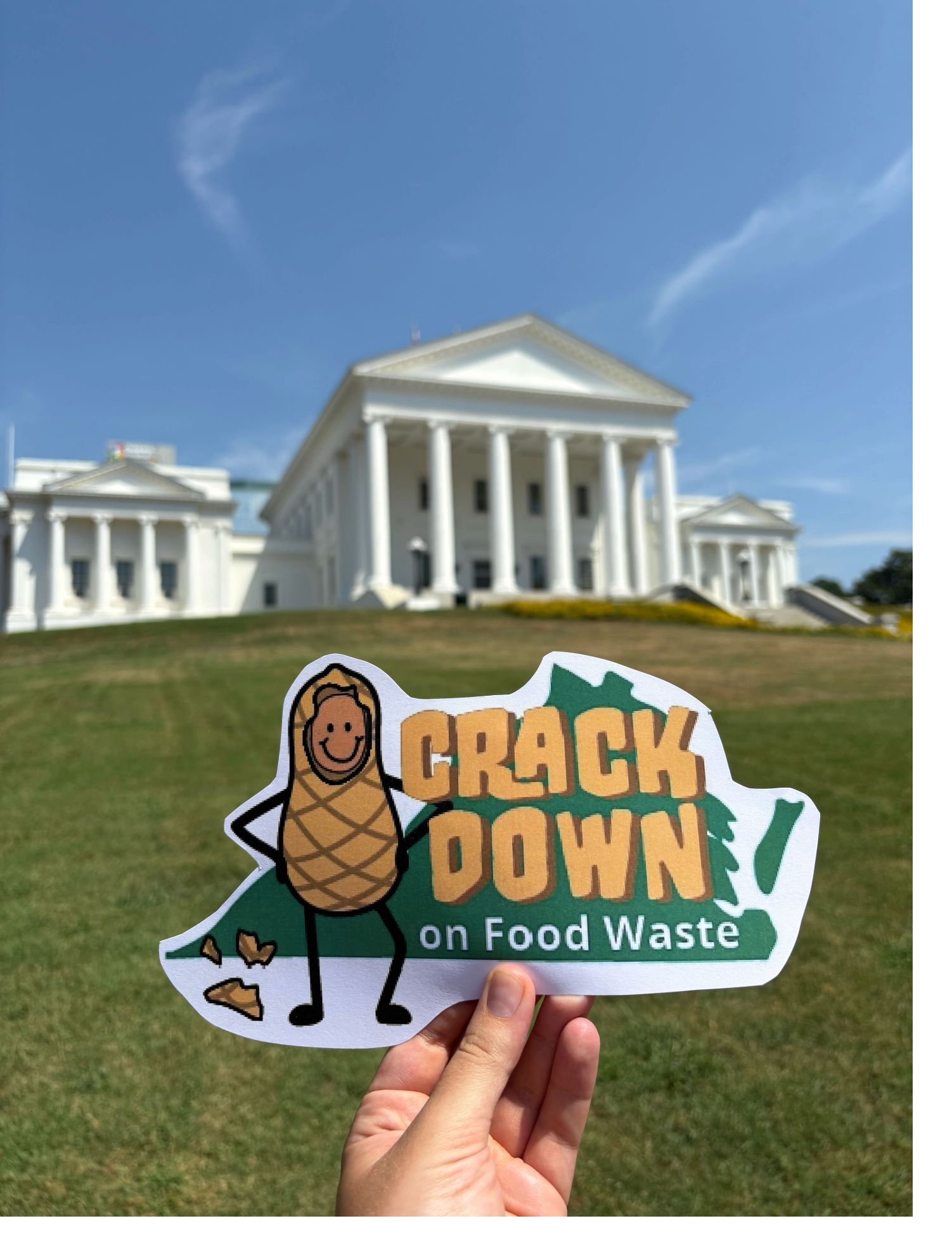
Did you know that the average family of four wastes $3,000 a year on food they don't eat? All that waste has real consequences for wallets and our environment.
To celebrate Food Waste Prevention Week (Sept. 28 to Oct. 4), DEQ unveiled the new "Crack Down on Food Waste" campaign with partners all across the Commonwealth to share best practices on how to save money and protect the environment.
As part of a DEQ-run student art contest, the "Friendly Virginia Peanut" design was created by William & Mary (W&M) senior Harriett Ramasamy, a student-leader for the W&M Veggie Society and Dining Sustainability Program.
DEQ is also featuring the success of the Carver Food Enterprise Center, a facility in Rapidan that serves as a community commercial kitchen for residents, business owners, and local growers.
You can read more about composting, preventing food waste at home and school, incentives for food donors, and more on DEQ's Crack Down on Food Waste webpage.
RGGI Update: DEQ Finalizes CO2 Budget Trading Rule
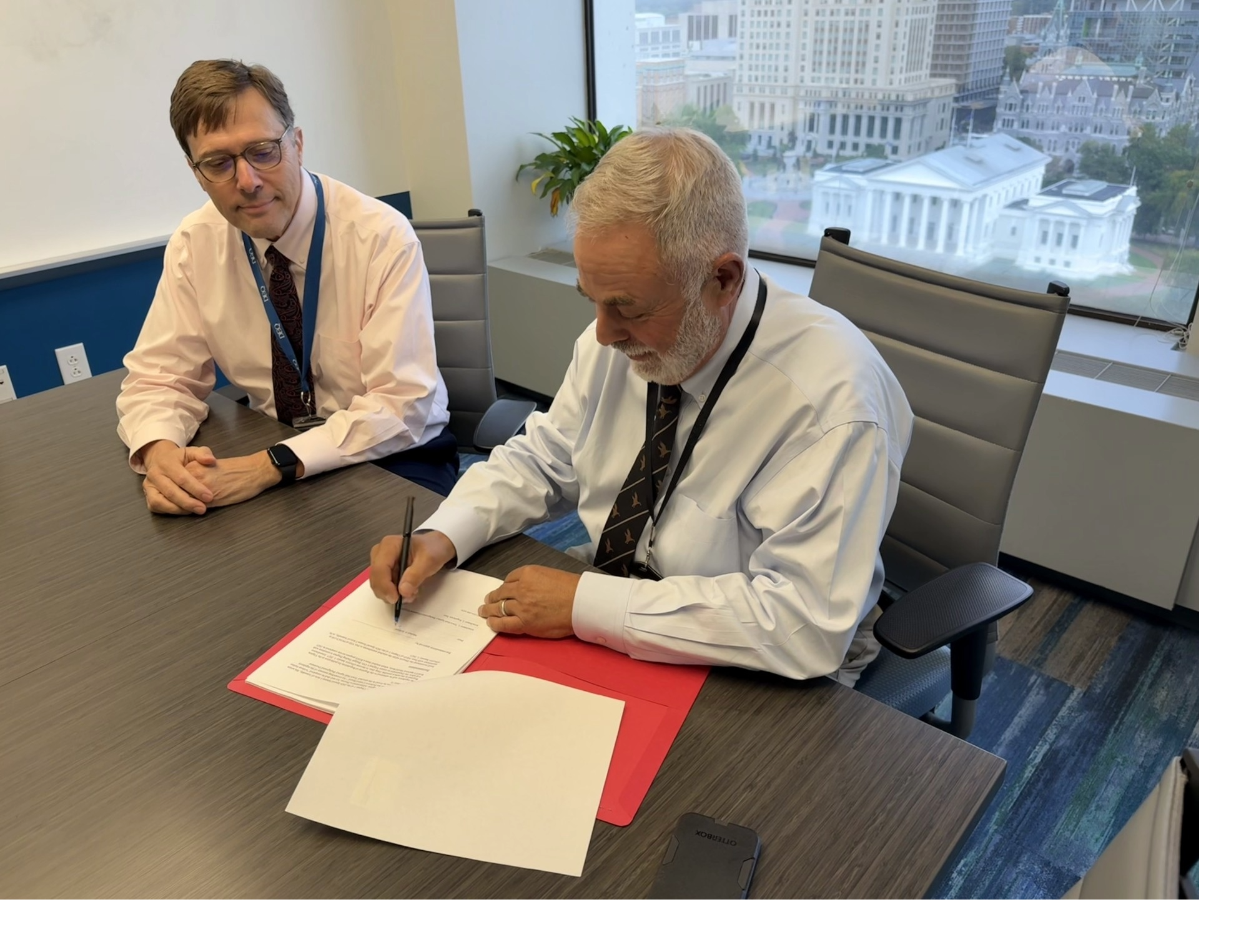
On Sep. 24, DEQ Director Mike Rolband signed the revised Virginia CO2 Budget Trading Program rule. The final rule is posted on the Virginia Regulatory Town Hall and will be published in the Virginia Register of Regulations on Oct. 19. This is the second regulatory action completed for this rule as directed by the General Assembly and the Governor to resume participation in the Regional Greenhouse Gas Initiative (RGGI) after the program had been inactive since 2024.
Virginia officially resumed participation in RGGI on July 1 as a result of the first regulatory action in May, and participated in the Sep. 9 auction which generated $259 million in proceeds for low-income energy efficiency, resiliency, and flood preparedness, and a new program for customer bill assistance.
The second action was needed to align the Virginia program with the latest RGGI program review that was completed in 2025. Key components of this action include updated annual emissions and allowance budgets that reduce over time, and a second cost containment mechanism.
Progress on Tangier Island Fueling Infrastructure
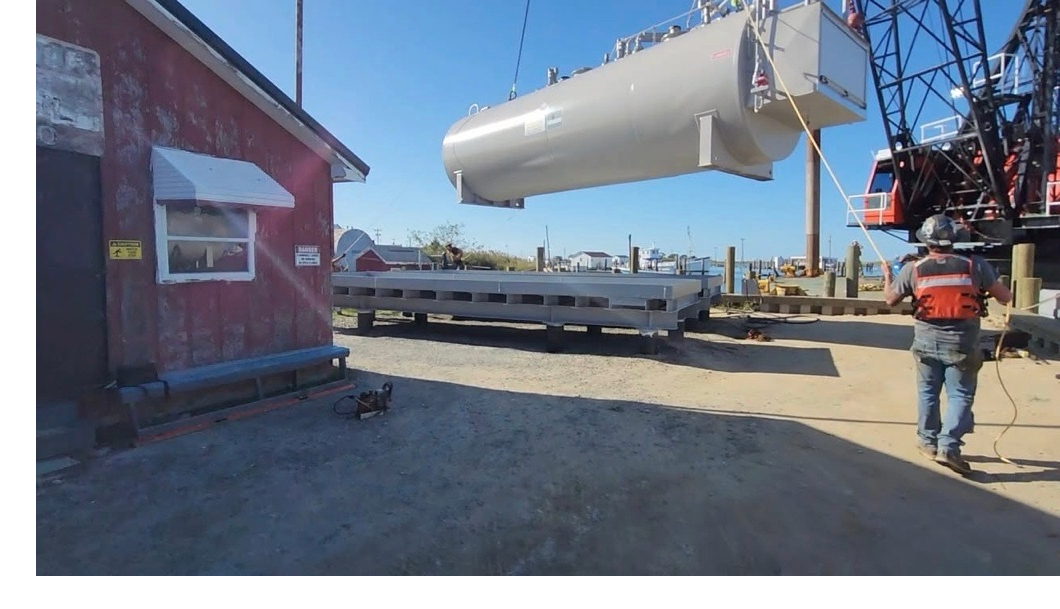 Tangier Island, a small island in the Chesapeake Bay, is one of Virginia’s most vulnerable areas to sea-level rise and recurrent flooding. In 2024, DEQ awarded $2.3 million from Regional Greenhouse Gas Initiative proceeds to the island to combat these threats.
In partnership with the Town of Tangier, DEQ staff developed a conceptual mitigation project plan that focused on flooding, sea level rise preparedness, reducing greenhouse gases, climate change planning and mitigation, and improving environmental compliance. Construction has now begun on a new storage facility for petroleum products, the first of five independent projects planned with the town. The previous petroleum facility was unprotected from flooding and had no secondary containment. Recently, new double-walled fuel tanks were delivered to and installed at the facility. Electrical work, registration, decking, and closure and removal of the old tanks still remain for the project. DEQ is excited and hopeful for the future of Tangier’s environmental improvements.
Water Year 2026 in Review
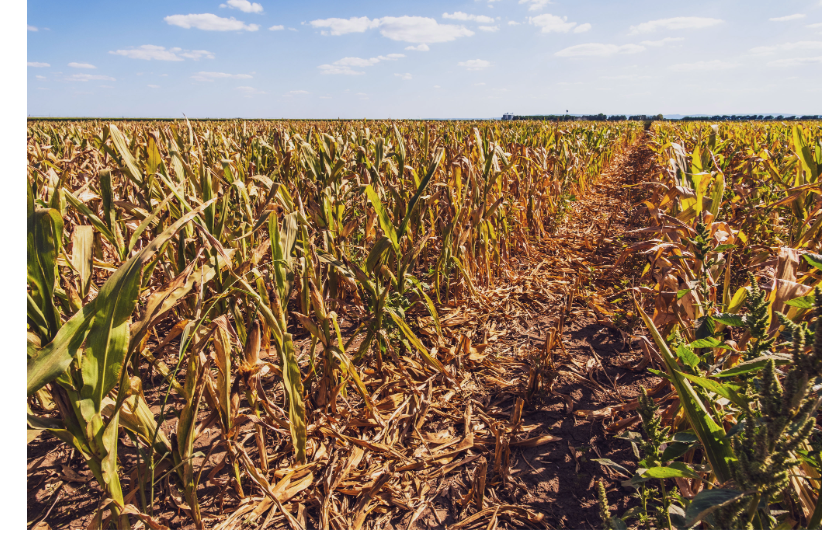
The 2026 hydrologic year, which measures precipitation totals over the 12-month period from Oct. 1 to Sept. 30, was a challenging year marked by a lingering drought. The first nine months of the water year were the second-driest October through June on record, with a statewide precipitation deficit of 8.54 inches. The U.S. Drought Monitor reported nearly half of the Commonwealth under extreme drought conditions in May of this year, the largest land area of the state to receive this designation since 2007.
Although rainfall increased in the summer months, summer heat and increased water demand from growing crops made summer groundwater recharge more difficult. In July, DEQ and the Drought Monitoring Task Force (DMTF) recommended an emergency drought status for the Roanoke region, which remains the driest of the 13 drought evaluation regions. The region only received 64% of its normal precipitation during the water year causing Governor Spanberger to urge commonsense water conservation in the area.
During the 2026 water year, numerous stream gages and groundwater wells set record lows throughout the Commonwealth. This time has proven particularly difficult for Virginia’s farming community, which saw hay production down 35% and as much as 70% in some localities when compared to 2025 hay production. On Sept. 16, the Governor issued an Executive Order declaring a 45-day state of emergency to help address the ongoing shortage. The governor's executive order provides emergency funding, price gouging protection, and grants over-width transportation waivers to farmers transporting hay.
Despite the historic drought conditions, community water systems were able to continue to provide vital water supplies to Virginians throughout the worst of the drought. Looking forward to next year, the National Weather Service predicts that the strong El Nino weather pattern will bring increased rainfall this fall and winter to Virginia.
To stay informed about the drought in Virginia, visit DEQ’s drought webpage or the interactive Drought Dashboard.
DEQ and the DMTF will continue to monitor the status of Virginia’s streamflows, groundwater, reservoirs, precipitation and more in the new water year. Happy New Year, everyone!
DEQ Honored as InternshipsVA Top Employer
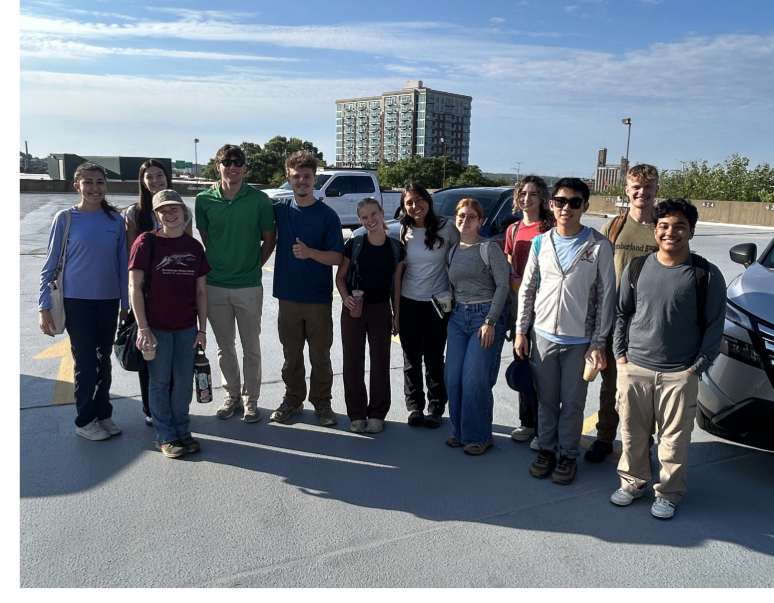
DEQ is honored to announce that the Virginia Economic Development Partnership (VEDP) has recognized our agency as a 2026 InternshipsVA Top Employer for Interns in recognition of our innovative, high-quality, paid internship program.
Internships offer tremendous value for both interns and employers. They provide students and emerging professionals with meaningful, real-world experience while giving organizations like DEQ an excellent return on investment in workforce development and talent recruitment. DEQ is proud of our interns and grateful for the dedicated internship managers and mentors whose guidance and enthusiasm helped earn this recognition.
InternshipsVA helps Virginia employers like DEQ with tailored guidance, employer toolkits, talent recruitment tools, and matching grants for eligible employers. The program is part of VEDP’s larger statewide effort to develop, attract, and retain top talent in Virginia.
DEQAct Updates

If you’ve ever submitted information to DEQ and wondered why your organization’s details had to be re‑entered, corrected, or verified multiple times, you’re not alone. Our current process requires DEQ staff to maintain customer records behind the scenes — which can lead to occasional inconsistencies and duplicate entries. With DEQAct, customers will be able to manage their own information, including contact information.
In early 2027, users will be able to change their email address, phone number, mailing address, and add or update points of contact without the assistance of DEQ staff. Additionally, users will have any duplicate entries unified behind a Taxpayer Identification Number (TIN). The TIN will serve as a unique identifier that combines and clarifies existing entries. A TIN can be an Employer Identification Number for business entities and a Social Security Number for individuals.
As we move toward DEQAct’s launch in early 2027, these improvements are reshaping how customers engage with DEQ, creating a more modern, efficient, and user‑friendly experience from beginning to end. DEQ will be hosting a webinar in the next several weeks to provide an overview of the new system for all external users. Stay tuned for additional details!