🪱The Importance of Worms
By: Di Phanfil, Green Iowa AmeriCorps Member serving with the City of Ames
When you think of worms, you might think of creepy, slimy things that you go fishing with. When I think of worms, I think of my favorite creature on earth.
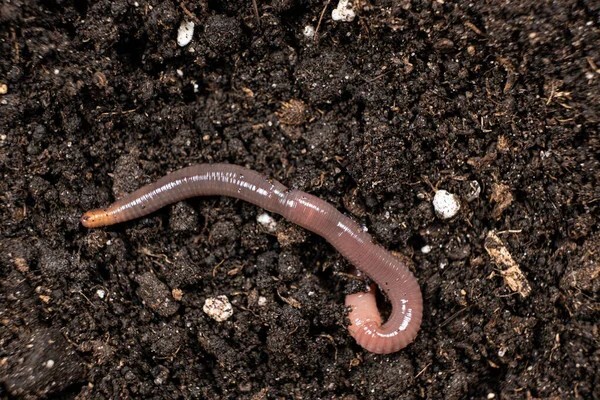
Worms are so important for the environment, they help decompose waste, and the waste they produce is sometimes called gold. Their waste (poop) is a key component in making compost. Compost helps soil fertility, water infiltration and retention, and soil density and compaction. They are so good at making compost, they named a type after the worms, Vermicomposting!
Worms also are great pets, you don’t have to go out and buy your special food because they eat your leftovers. Food waste and yard waste are things you were going to throw out anyway; why not throw a bit into your worm bucket?
Worms are not only great for the environment but also very cool overall. Did you know that worms breathe through their skin? Worms coming up from the ground when it rains to keep from drowning is a myth! Worms making their way to the surface have more to do with them having places to be. It’s easier to move without having to dig your way to your destination, but they do not do well in sunny, dry places. When it’s wet enough, the worms take it as their cue to risk going out onto the worm highway (the surface) and beat the sunshine and get to where they are going.
If you want to keep a pet worm in a bucket, don’t expect to keep just one, they can reproduce asexually. You also won’t need to worry about overpopulation, because worms naturally regulate their population based on the space and resources available. They are great communicators (to other worms), they not only talk about their population size, but where food is and make group decisions!
As a self-proclaimed worm enthusiast, I hope that the next time you go out and about, you have a little appreciation for the little guys below you, working hard to keep the soil healthy!
🎶The Sounds of Summer: Nature's Symphony in Ames
By: Ava Brunner, Green Iowa AmeriCorps Member serving with the City of Ames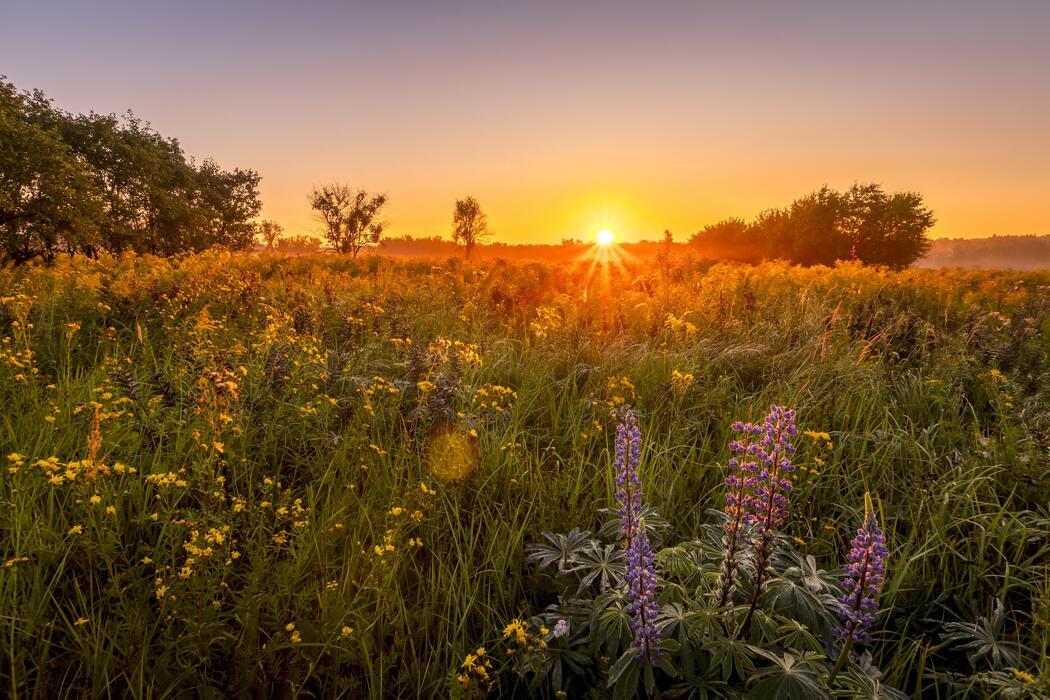
Summer in Ames is filled with familiar sights, but some of the season's greatest treasures are heard rather than seen. From birds greeting the sunrise to frogs calling after sunset, the sounds of summer tell the story of the wildlife and ecosystems that surround us.
Whether you are exploring Ada Hayden Heritage Park, visiting Brookside Park, or simply relaxing in your own backyard, taking time to listen can reveal a remarkable variety of life.
Rise and Sing: The Dawn Chorus
For early risers, summer mornings in Ames begin with a concert performed by robins, cardinals, wrens, chickadees, and song sparrows. Birds are especially vocal around sunrise, using their songs to attract mates and establish their territory.
Many of these feathered performers depend on trees, shrubs, and native plants for food and shelter. From neighborhood yards to the city's parks and natural areas, healthy habitats help keep the morning chorus alive.
Pondside Performers: Frogs and Toads Take the Stage
As daylight fades, another group of musicians begins to warm up. American toads, chorus frogs, tree frogs, and American bullfrogs each have their own unique calls, creating one of the signatures sounds of summer in central Iowa.
These amphibians are especially sensitive to changes in their environment, making them important indicators of ecosystem health. Hearing their evening concert around ponds, wetlands, and rain gardens is often a sign of healthy habitat. Places like Ada Hayden Heritage Park and other natural areas around Ames provide important spaces for these nighttime performers.
Nature's String Section: Crickets and Grasshoppers
No summer evening would feel complete without the chirps and buzzes of crickets and grasshoppers. These tiny musicians create their songs by rubbing body parts together and provide an important food source for birds, bats, frogs, and many other animals.
Their familiar sounds form the rhythm section of Iowa's summer soundtrack and are a reminder of the interconnected ecosystems found throughout Ames and Story County.
Night Shift: Voices After Dark
Long after the sun goes down, the concert continues. Great horned owls call from wooded areas; red foxes occasionally announce their presence with yips and barks, and bats silently patrol the skies in search of insects.
Even while much of Ames sleeps, nature's night shift is just getting started. These after-hour performers remind us that wildlife is active around the c
lock and that healthy ecosystems support creatures both big and small.
Take a Moment to Listen
The songs of birds at sunrise, the trills of toads after a rain, the buzz of cicadas on a hot afternoon, and the calls of owls beneath the moon are reminders that nature is alive and thriving around us.
Feeling curious? Turn your listening into a form of citizen science. Apps like Merlin Bird ID and iNaturalist make it easy to name birds and other wildlife while contributing to observations that help scientists better understand the species that call Iowa home. Whether you are a seasoned naturalist or simply wondering who is making all that noise after dark, there is always something new to discover right here in Ames.