
Artificial grass: a green solution or a plastic problem?
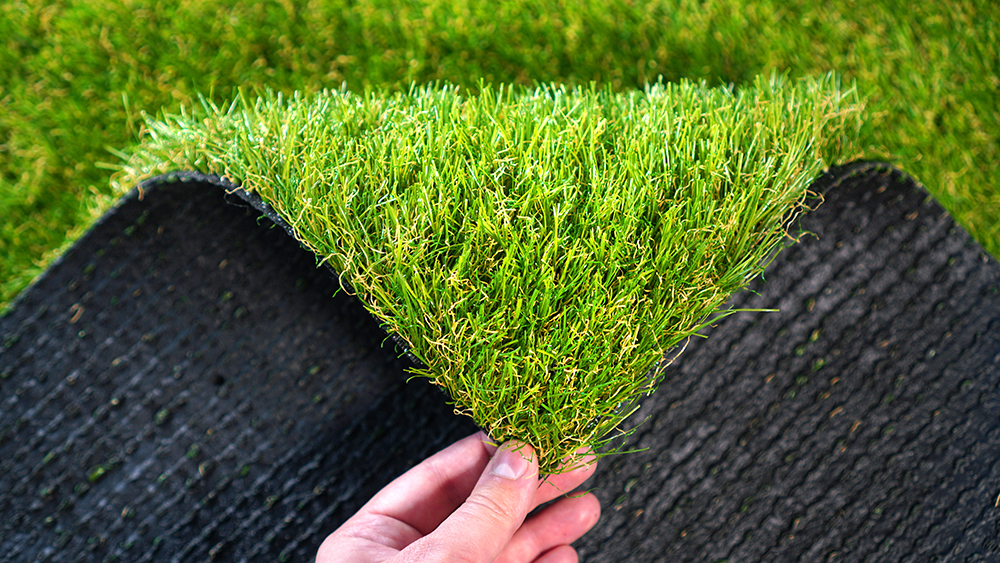
Artificial grass can look like an easy, low-maintenance and environmentally friendly alternative to a natural lawn. With no mowing, watering or fertilisers needed, it can seem like a simple sustainability win. However, the wider environmental picture is more complicated.
For busy spaces, or areas with limited maintenance capacity, these advantages can be appealing. But those short-term gains come with longer-term environmental costs.
Artificial grass is made from plastic materials derived from fossil fuels, and its production is energy intensive. Although it may last around 10 to 15 years, it can be difficult to recycle and often ends up in landfill. Over time, it can also shed microplastics, contributing to pollution in soil and water systems.
Unlike natural green spaces, artificial grass provides no habitat for wildlife, reducing opportunities for biodiversity. It can also become much hotter than natural grass in warm weather, adding to local heat.
Comparison at a glance
|
Factor |
Artificial grass |
Natural grass or planting |
|
Water use |
None |
Low to moderate |
|
Maintenance |
Low |
Moderate (can be reduced) |
|
Carbon impact |
Higher due to production and disposal |
Lower overall |
|
Biodiversity |
None |
Supports wildlife |
|
End of life |
Often landfill |
Biodegradable |
|
Heat retention |
Higher |
Cooling effect |
Eco-friendly alternatives
If the aim is to reduce maintenance while supporting the environment, these practical alternatives are worth considering:
- Low-maintenance grass mixes, such as fescues, need less mowing and watering.
- Clover lawns stay green, improve soil health and reduce the need for fertilisers.
- Wildflower areas support pollinators and cut mowing requirements significantly.
- Reduced mowing, by letting grass grow longer, can help boost biodiversity.
- Mulch, bark or gravel can provide a low-impact finish in non-traffic areas.
- Native planting schemes are suited to local conditions and usually need less ongoing care.
The takeaway
While artificial grass can reduce maintenance, it should not be described as a straightforward eco solution. Nature-based alternatives often offer a more sustainable, long-term approach and provide greater support for local wildlife and the wider environment.