
Hurray for No Mow May and beyond
No Mow May is an annual conservation campaign encouraging gardeners to stop mowing during May, and into early summer, to let wildflowers bloom and provide crucial nectar for pollinators such as bees and butterflies.
Initiated by Plantlife, the campaign aims to boost biodiversity, tackle pollution and lock away carbon, at a time when many grassland habitats have been lost.
Letting nature breathe this May in Somerset
Across Somerset this month, more people are putting the mower away and giving their lawns a well-earned rest for No Mow May.
Since the 1930s, the UK has lost 97% of its wildflower meadows, leaving pollinators such as bees, butterflies and hoverflies struggling to find food and shelter. By simply pausing mowing, even for a few weeks, ordinary lawns can become valuable feeding grounds filled with daisies, clover and buttercups, supporting insects, birds and small mammals.
The real impact comes when people keep going beyond May. Leaving at least part of a lawn uncut into June and July allows wildflowers to bloom and set seed, creating richer habitats and supporting wildlife throughout the summer. What starts as a small action can make a real difference for nature.
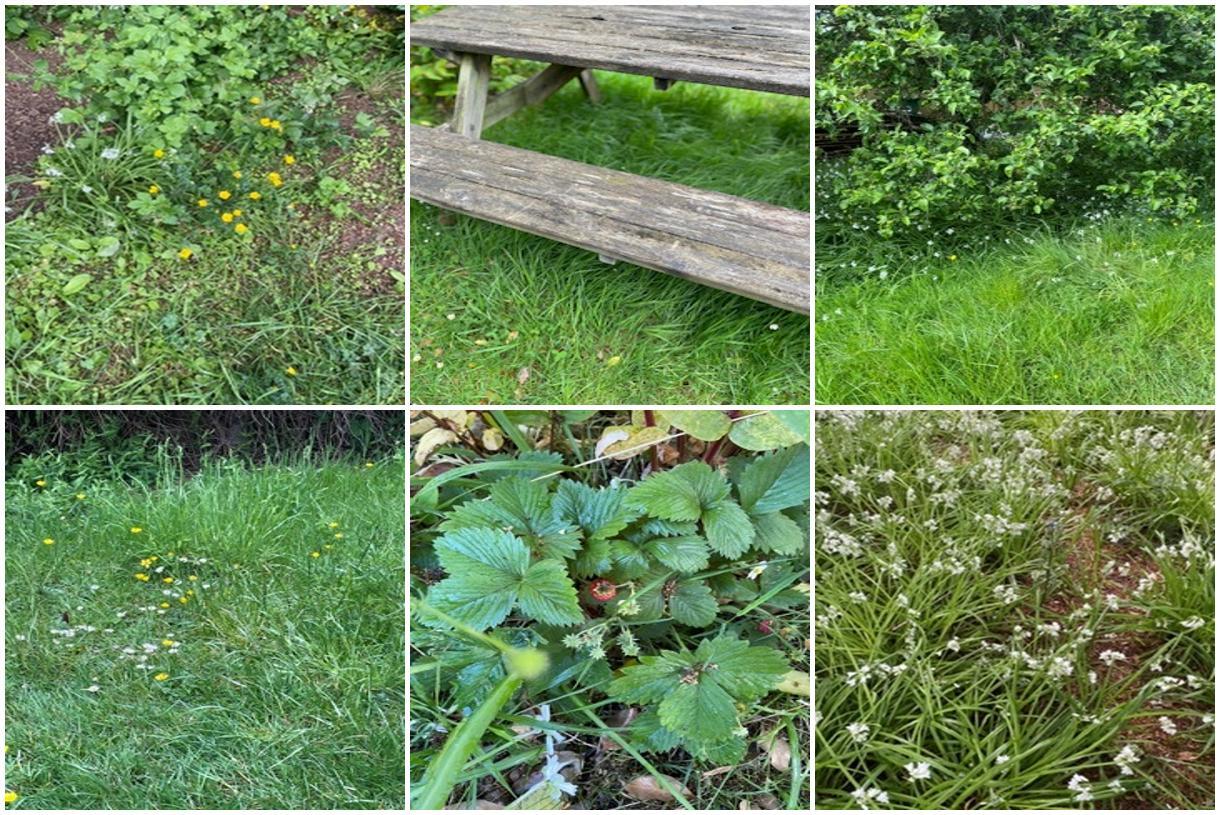
The image compilation featured above was taken in the suburban garden of Helen Shattock from our Payroll and Compliance team. It shows how much can happen when a lawn is given the chance to grow. The plants shown were not deliberately planted but appeared naturally once the grass was left to grow. The wild strawberry, in particular, is likely to have arrived with the help of birds. Ragged robin, red campion and daisies on the patio also appeared of their own accord, showing how quickly nature can respond when space is made for it.
It’s a simple idea with a big impact. By leaving grass to grow, gardens and green spaces can fill with wildflowers such as daisies, clover and buttercups, providing vital food for bees, butterflies and other pollinators as they emerge after winter.
In a county like Somerset, where nature is such an important part of everyday life, these small actions can add up. Whether it is a back garden in Taunton, a village green in Priddy or a verge on the edge of Ilminster, every patch left to grow helps create a network of habitats for wildlife.
No Mow May is also a reminder that not every space has to look neat and tidy all the time. A slightly wilder appearance can bring colour, character and a stronger sense of the changing seasons, something many people have come to value more in recent years.
If you’re able to take part, even leaving a small section of your garden uncut can help. If a whole month feels like too much, letting it grow a little longer between cuts still makes a difference.
By the end of May, you may be surprised by what appears and what wildlife drops by to enjoy it. No Mow May is a simple idea, but it can make a real difference for pollinators, so why not put the mower away, let the grass grow and see what appears?