
Protecting households from energy price shocks
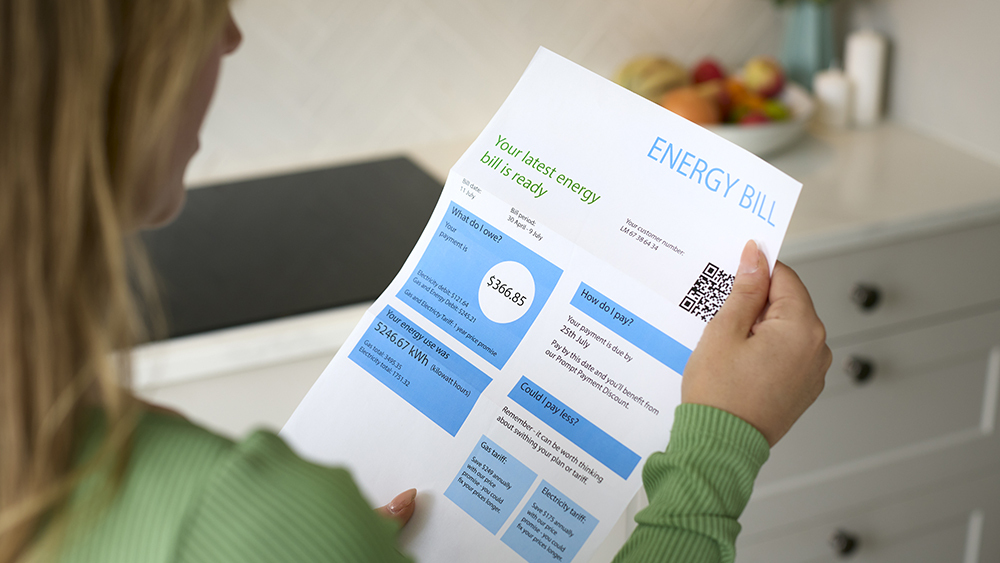
The UK Government has announced plans to break the link between volatile gas prices and electricity prices.
Families across Britain are set to get better protection from sudden energy price spikes, as the government takes new action to reduce the impact of global gas prices on our electricity bills.
What is changing?
At the moment, electricity prices still rise when international gas prices shoot up, even though much of the power we use now comes from cheaper renewables and nuclear. That leaves households paying more for events they cannot control, such as wars or disruptions overseas.
The government says it wants to “break the link” between gas and electricity prices so bills are more stable and predictable. The main steps announced include:
- More long-term fixed-price contracts for clean electricity, covering around 1/3 of Britain’s power supply. These contracts lock in stable prices and help shield households from sudden gas price spikes.
- Higher taxes on excess profits for electricity generators, by increasing the Electricity Generator Levy from 45% to 55%. This is aimed at making sure extraordinary profits made during gas price surges are used to help households and businesses with the cost of living.
- Accelerating clean, homegrown energy, including faster planning decisions, better access to the grid, and use of suitable public land for renewables.
Over time, these changes reduce how much gas influences electricity prices. Gas now sets prices around 60% of the time, down from around 90% a few years ago. The government estimates this will fall to around 50% by 2030 as more renewables come online.
Help with bills and clean upgrades
Alongside these market reforms, a range of practical measures were announced to help families cut bills:
- Bigger grants for homes using oil or LPG, with heat pump grants rising to £9,000 to help rural households switch to cleaner, cheaper heating.
- Extra funding for social housing, including support for tens of thousands of solar panel installations to help reduce bills.
- More solar panels for schools and colleges, cutting energy costs so savings can be reinvested in education.
- Easier installation of EV chargers, solar panels and heat pumps, especially for renters, flat-dwellers and homes without driveways.
- Support for British heat pump manufacturing, creating jobs while making clean heating more affordable.
The overall aim is to deliver lower, more stable bills now and greater energy security in the long term, by reducing reliance on volatile fossil fuel markets and expanding clean, UK-grown power.
If successful, these changes should mean fewer energy shocks, fairer prices and greater control over household energy costs in the years ahead.
To find out more, read GOV.UK’s news story: Decisive action to break influence of gas on electricity prices.