 DEQ NEWS
May 28, 2026 Vol. 5, No. 4
New Requirement for Reporting Data Center Water Use
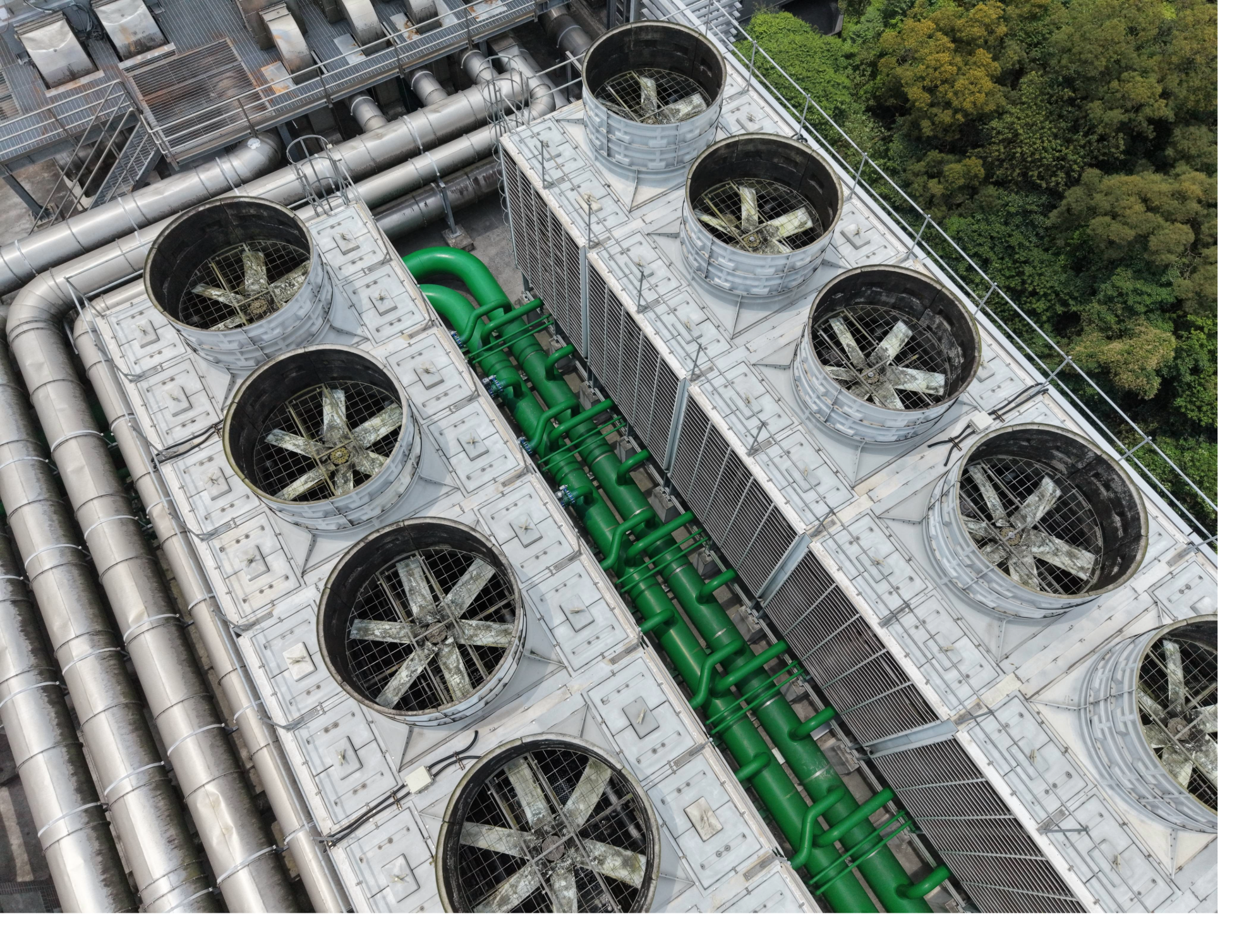
Virginia has the highest concentration of data centers in the world, and data centers need water to cool their equipment. The vast majority of data centers receive water from local water utilities, which has made it difficult to fully understand the amount of water used by these facilities.
Legislation passed by the General Assembly and signed by Governor Spanberger this spring will bring clarity to data centers’ water usage. This new law refines existing reporting laws and requires distribution of water to be designated into five different categories: data centers, domestic, commercial, industry and other. Effective July 1, water providers who service data centers that carry DEQ air permits will be required to report water usage. Previously, data center water distribution was reported under "industry" and not in a separate category. The first annual water usage reports will be due in January 2027. Through this legislation, DEQ and the public will gain a better understanding of data center water consumption.
Drought Advisory Update
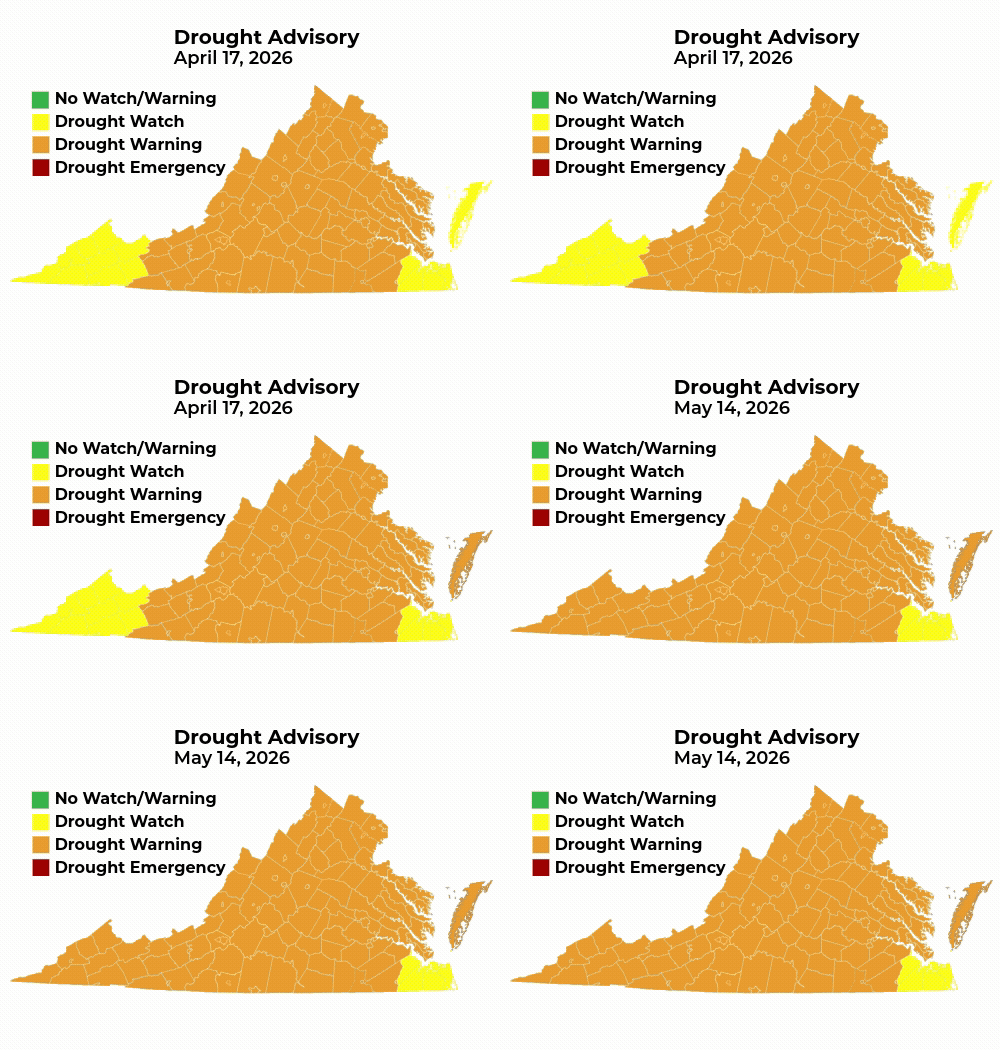
Virginia, typically a water-rich state, is experiencing its worst drought in 20 years. As a result, DEQ, in coordination with the Virginia Drought Monitoring Task Force, has expanded the drought warning advisory to now include 94 counties and 33 cities, and has established new drought watch advisories in one county and five cities in Virginia. At this time, all localities within the Commonwealth are under drought watch or warning advisories. As a result of these dry conditions, agricultural impacts are widespread and there is increased danger of wildfires. Additionally, the expansion of the drought declarations is consistent with the designations of the U.S. Department of Agriculture, through which farmers may be eligible for Farm Service Agency emergency loans.
Despite recent rains, overall rainfall totals and groundwater levels in the Commonwealth remain well below normal for this time of year — as much as eight inches in some areas of the state. Without significant additional rainfall, Virginia's drought condition could worsen as temperatures rise and rates of evapotranspiration increase.
DEQ is working with local governments, public water works, and water users in the affected areas to ensure that conservation and drought response plans and ordinances are followed. All Virginians are encouraged to conserve water supplies by minimizing water use, monitoring drought conditions, and detecting and repairing leaks.
Read DEQ's full press release for more information.
DEQ Assists in Redeveloping Community Space in Tazewell
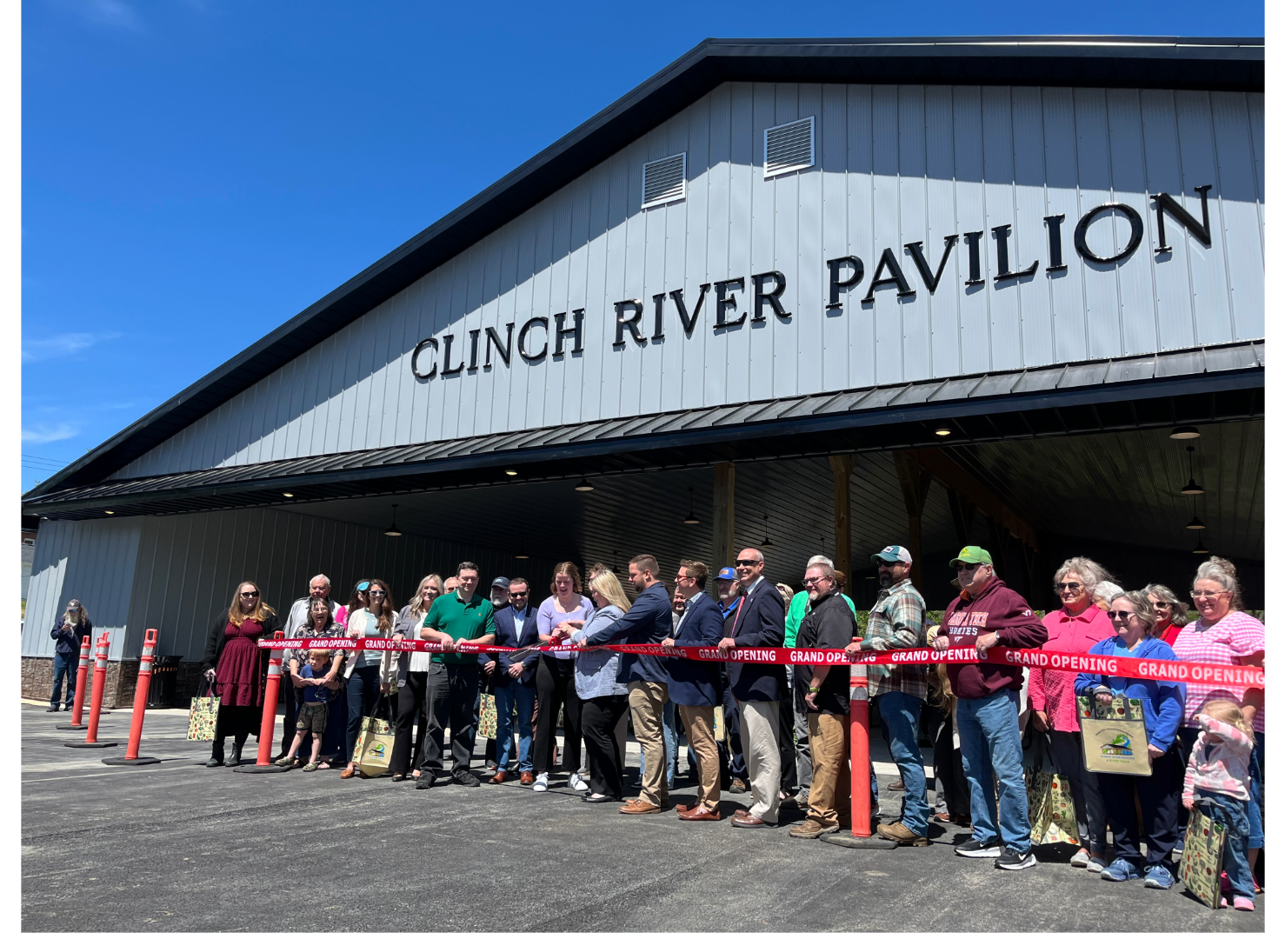
On May 1, the Town of Tazewell announced the grand opening of the Clinch River Pavilion which serves as a permanent farmers market structure and community space. DEQ played an important role in bringing this community space to life.
The pavilion is located on land known as a brownfield — a property where redevelopment can be complicated by potential contamination. Before the project’s completion, the site had asbestos-containing materials, residual petroleum from former storage tanks, and a dilapidated structure. DEQ's Brownfield Program was able to provide funding for environmental site assessments, an asbestos survey, a structural engineering evaluation, community engagement, and concept planning. These initial steps laid the groundwork for the remainder of the project’s success. DEQ is proud to support environmental projects with positive outcomes for Virginia’s communities.
Additional funding was provided by the Virginia Brownfields Restoration and Economic Redevelopment Assistance Fund, the Tobacco Region Incentive for Agribusiness Development Grant Program, the Cumberland Plateau Planning District Commission, the Virginia Department of Agriculture and Consumer Services, and the University of Virginia’s College at Wise.
DEQ to Stop Processing Incomplete Permitting Applications

Despite the growing volume and complexity of permit applications, DEQ is processing applications faster than ever before. We have made major progress through transparent Permitting Enhancement and Evaluation Platform (PEEP) schedules, updated application completion checklists, and certification programs that support applicants and streamline reviews. To continue improving efficiency and consistency, DEQ is addressing one of the agency’s biggest challenges: incomplete or technically deficient applications.
Many permitting delays occur while staff wait for missing information from applicants. When staff must repeatedly request basic information, it reduces staff availability for high‑priority work and can delay the issuance of other permits in process. To address these issues, DEQ will no longer process incomplete or technically deficient applications. Additionally, DEQ will withdraw or deny incomplete or technically deficient permit applications following a 15-day grace period after permit application materials are due.
All programs have posted application completion checklists on DEQ's website. These checklists reflect current regulatory requirements, internal procedures, and necessary submission information. Attention to detail must be a two-way street for both permittees and DEQ staff. If both parties hold up their end of the deal, DEQ can function as effectively and efficiently as possible for the Commonwealth.
Soil Management on Utility Scale Solar
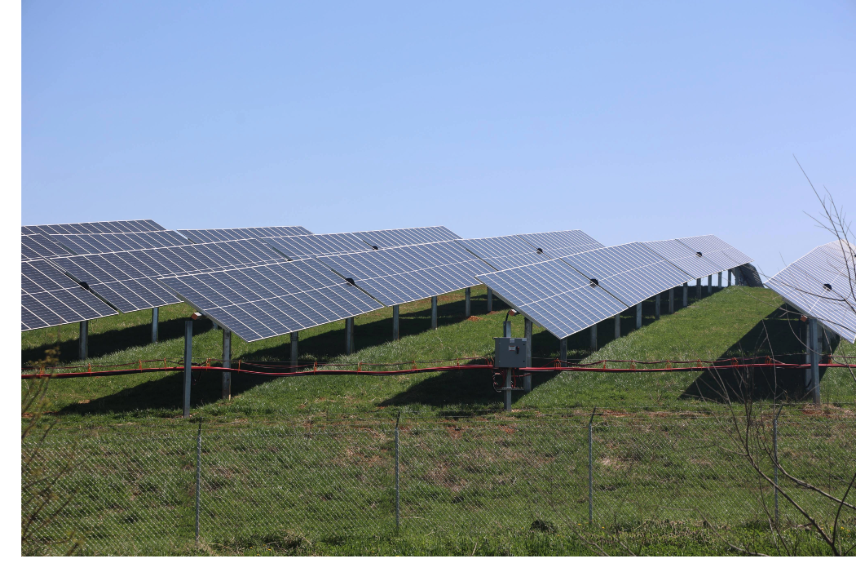
On March 5, Virginia Tech released an updated version of its report on soil management for Utility Scale Solar projects. The paper, “Soil-Site Management Protocols & Best Management Practices (BMPs) for Utility Scale Solar Site (USS) Development and Management in Virginia – Version 2,” presents an overview of the challenges that land development, active construction management, and post-development stormwater management of USS sites pose to local soil and water quality, along with recommended best management practices (BMPs).
USS projects have the potential to impact local land conditions and water quality from the day the first shovel hits the ground to the day the solar panels are removed. Even small projects can lead to significant landscape impacts, since site development requires large areas to accommodate solar panels, drainage, stormwater management BMPs, access roads, collection and transmission infrastructure, and vegetative buffers.
It is common for widespread areas of disturbed soil to remain unvegetated for weeks to months during active construction. This leads to greater stormwater runoff, which results in sediment discharges and flooding. The study identifies several critically important practices to enhance rainfall infiltration and maintain overall soil quality at USS sites. These include: maintaining vegetation and stabilizing soils, minimizing overall soil disturbance, and limiting and remediating soil compaction during the entire lifecycle of the USS.
Supplemental Environmental Project Webinars
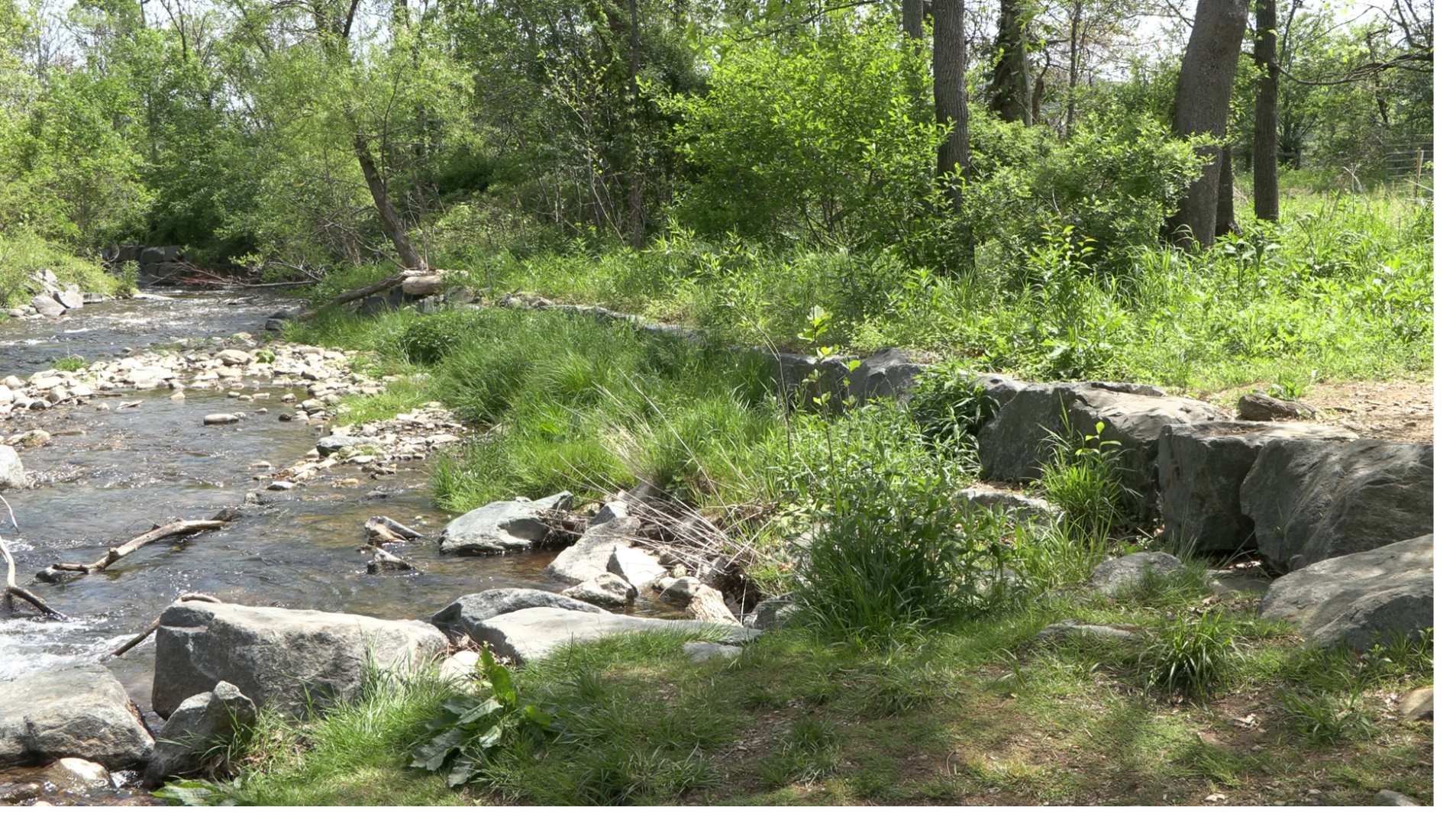
Join DEQ to discover how your organization can help advocate for projects that improve our environment! This upcoming webinar introduces the new Supplemental Environmental Project (SEP) database — a powerful tool that enables anyone to submit and promote project ideas. SEPs can be funded by responsible parties as a part of a DEQ enforcement action — as a way of repayment to the community through direct environmental improvement. Join us on June 29 or July 15 to learn about SEPs, how to explore the database, and how to submit new project ideas.
Register for the June 29 webinar at 10 a.m. Register for the July 15 webinar at 1 p.m.
Updated Electronic Invoice Delivery

DEQ is now sending invoices to customers with valid email addresses. This makes it easier to pay invoices on time and avoid penalties, interest, or delays in permit issuance or renewal. Individuals without a valid email address will be sent invoices by mail to the address on file.
To stay informed and avoid missing important billing notices:
·Check your email regularly, including spam or junk folders.
·Look for messages from acctsrec@deq.virginia.gov with the subject line “VA DEQ Invoice #”.
·Ensure your contact information is accurate and up to date. See the Annual Bills & Fees webpage for more information.
Save Time and Money—Pay Online!
Take advantage of our convenient online payment portal:
·Pay instantly to avoid penalties and processing delays.
·Skip the 2.5% credit card fee by choosing eCheck, which has a flat $1.00 service fee
Harmful Algal Blooms
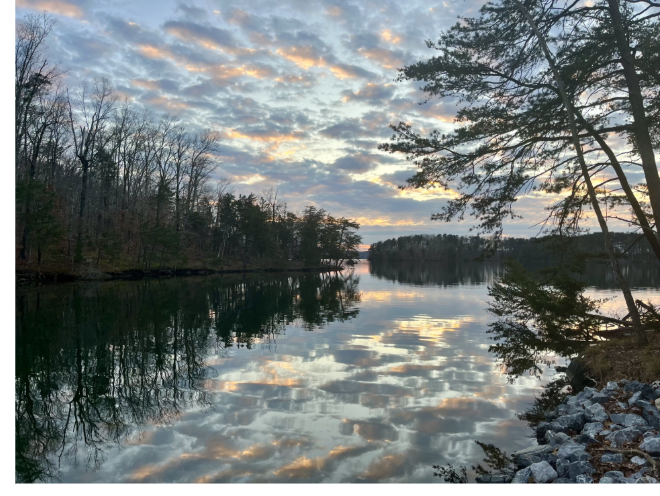
A harmful algal bloom (HAB) occurs when a specific type of algae growth causes negative impacts to an aquatic ecosystem. DEQ focuses on HABs that could potentially impact human health. In 2023, Smith Mountain Lake experienced a prolonged blue- green algae bloom that had the potential to produce toxins. In 2024, DEQ partnered with Virginia Tech and the Smith Mountain Lake Association to find out what conditions could potentially lead to HABs in the lake. Together, the team launched a comprehensive study to determine whether HABs are recurring in the lake, to understand their timing and location, and to identify the key conditions that contribute to their development. The study also explored both short‑term and long‑term strategies to prevent or reduce HABs. Completed in 2025, this study provides a baseline for responding to HABs in the future.
If you would like more information, you can read the full report on DEQ’s Harmful Algal Blooms webpage and access this interactive map showing locations that were included in the study.
DEQ Announces Solicitation Periods for Clean Water Finance Funding
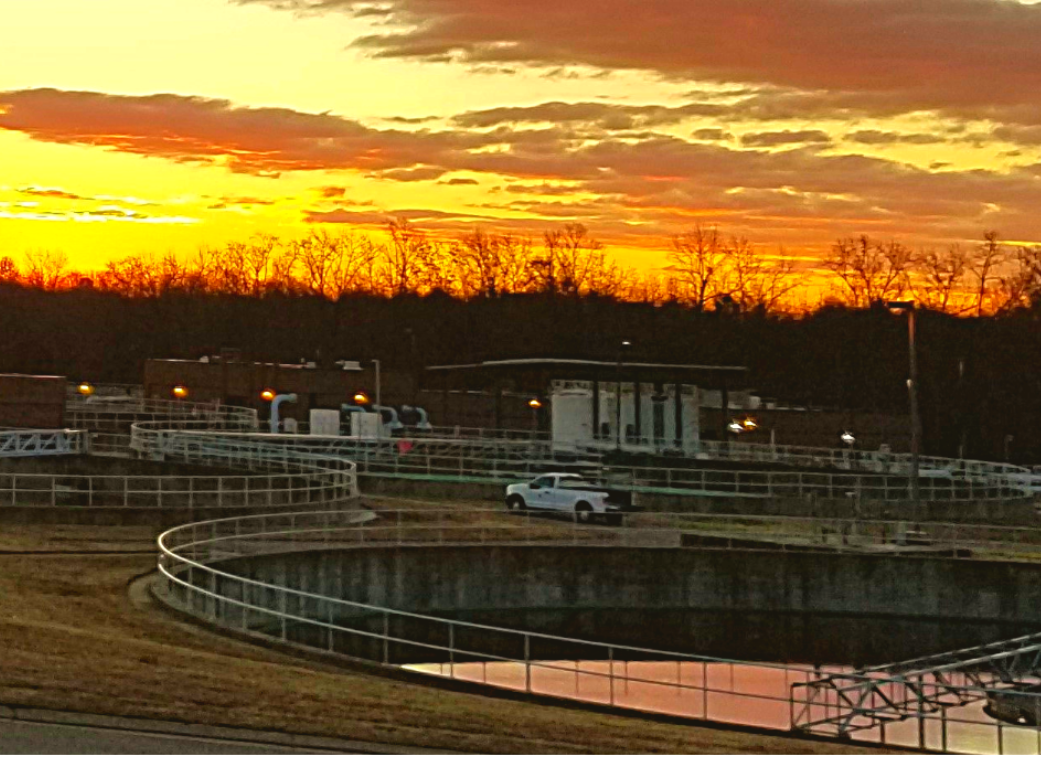 Administered by DEQ and co-managed with the Virginia Resources Authority, the Virginia Clean Water Revolving Loan Fund (VCWRLF) has invested more than $4 billion into the Commonwealth’s infrastructure since 1987 by providing low-interest loans to governments for eligible projects that include: municipal wastewater collection and treatment facilities, municipal stormwater best management practices, remediation of brownfield properties, land conservation, living shorelines, and agricultural best management practices.
Each year the VCWRLF opens a solicitation period during which interested parties submit grant proposals for water-related improvement projects. The solicitation period for the VCWRLF will begin on June 9, 2026, and completed applications must be submitted electronically through the MyDEQ Portal no later than 11:59 p.m. on July 29, 2026.
In addition, this year marks the first-ever solicitation period for the Water Quality Improvement Fund (WQIF). Projects will be prioritized based on nutrient reduction impact, cost-effectiveness, funding needs, and project readiness. Additionally, projects that have incurred construction costs are now ineligible for funding. The WQIF solicitation period opens on June 2, 2026. Complete applications must be submitted electronically no later than 11:59 p.m. on July 15, 2026.
Once the solicitation periods begin, applicants will find full details on application materials, required attachments, and submission procedures on the Clean Water Financing and Assistance webpage. For questions regarding either funding opportunity, applicants are encouraged to contact cwfap@deq.virginia.gov.
Increased Transparency for Records Requests
DEQ is pleased to announce a new enhancement to its NextRequest FOIA portal, which is designed to improve transparency and customer service. Beginning on May 28, when DEQ provides records in response to a FOIA request, the request and released records will be available to the public. This feature will allow members of the public to quickly search for and view records that have been provided in response to a previously fulfilled FOIA request immediately and at no charge, helping to reduce duplicative requests and increase access to records. Individuals are encouraged to first check whether the records being sought have been previously released by visiting this webpage. As always, new FOIA requests may be submitted through NextRequest.
Virginia Seeking EPA Approval for Coal Combustion Residuals Permit Program
Virginia is currently in the process of seeking U.S. Environmental Protection Agency (EPA) approval for the state's Coal Combustion Residuals (CCR) permitting program. CCR, also known as coal ash, is a byproduct of coal-fueled power plants. Virginia Solid Waste Management Regulations incorporate permitting and management requirements for CCR disposal to protect human health and the environment.
On April 30, EPA announced the proposed approval of Virginia’s CCR permit program. The Federal Register notice published on May 4 announced a hybrid public hearing on June 24, at DEQ’s Piedmont Regional Office. EPA will accept comments on this proposal through July 6. View a copy of the proposal in the Federal Register. For more information, visit the EPA’s State of Virginia CCR Permit Program webpage, EPA's Virginia public hearing webpage, and EPA Docket EPA-HQ-OLEM-2025-3325.